If you’re on the keto diet, then you know that salsa is one of your best friends. It’s perfect for snacking on when you’re feeling hungry, and it’s a great way to add flavor to your meals. But what about the carbs and calories? Is salsa keto? In this blog post, we’ll answer those questions and more!
How Many Carbs are in Salsa?
There are 5 carbs in every tablespoon and 20 calories of store-bought jarred tomato salsa if it includes sugar or honey as an ingredient. If there’s no added sugar, the net carbs are usually around 0.
So, Is Salsa Keto Friendly?
Salsa is considered keto-friendly as long as it doesn’t contain any added sugar or honey. If you’re looking at grams of net carbs on labels, check out the labels of Mrs. Renfro’s, Garden Fresh Gourmet, and Herdez salsa brands!
If you’re on the keto diet, then you know that salsa is one of your best friends. It’s perfect for snacking on when you’re feeling hungry, and it’s a great way to add flavor to your meals.
Any Recommended Keto Salsa Brands?
Some of our favorites include Mrs. Renfro’s, Garden Fresh Gourmet, and Herdez. All three of these brands make delicious salsas with very few net carbs per serving! (check out nutrition information to make sure)
Should You Buy Low Carb Salsa from Store?
You can enjoy store-bought gluten free or you make your own salsa (homemade salsa). I would enjoy a fresh salsa with taco salad and some low carb vegetables in my keto recipes. I would add some flavor with drops of hot sauce, but make sure to count the grams of carbs of your whole meal as long as you are following a ketogenic diet. Also, don’t forget about sugar content as some products may have sugar added.
Keto Salsa Alternatives?
If you’re looking for a low-carb alternative to traditional salsa, here are some keto-friendly salsa recipes:
Salsa Verde – This is one of the most popular salsa varieties. It’s made with green tomatoes and other naturally low in carbs ingredients like tomatillos, fresh cilantro, garlic, cilantro leaves or stems. Because it doesn’t contain any high-carb ingredients (like onions)
Salsa de Chilis – this type of salsa has a spicy, smoky flavor that comes from chili peppers like jalapenos, poblanos and cayenne peppers. Salsa de chilis is usually prepared with onions and garlic but don’t contain any high-carb ingredients (like tomatoes) so it can be enjoyed on a keto diet.
Pico de Gallo – this is another popular salsa variety that’s typically made with diced tomatoes, onions, jalapeno peppers, and lime juice. However, you can make a low-carb version of Pico de Gallo by omitting the onions and replacing them with green bell peppers.
Salsa Fuego – this type of salsa has a smoky flavor and is made from smoked tomatoes, onions, garlic cloves, cilantro leaves or stems.
Conclusion
So by now, we have answered your question “is salsa keto?“. And yes! Salsa is a keto-friendly food that you can enjoy as part of a healthy keto lifestyle. In this blog post, we’ve shared some of our favorite keto salsa recipes. We’ve also provided tips for how to make your own keto salsa recipe, and we’ve recommended some of our favorite keto-friendly brands.
Carbs and Calories in Pesto: Is Pesto Sauce Keto Friendly?
Although pesto is a sauce for pasta, it is also
delicious on meat, fish, chicken, and even on vegetables. The good news is: Pesto is low in carbs and Keto friendly!
The sky’s the limit… You can spoon a little pesto on top of just
about anything.
Spread pesto onto grilled salmon or balsamic chicken
or toss your veggies in pesto before roasting… and Pesto Change-o! You’ll
transform almost any food into a gourmet, flavor-packed dish.
Is Pesto Sauce Keto-Friendly?
Pesto lovers can rest assured that this is a low carb sauce, as
long as you don’t eat it with mountains of high carb pasta. There are some great low carb pasta options
on the market for Keto dieters and other pasta alternatives for low carb
diets. I’ll mention these later in this
article.
So keep reading to discover all the great ways you can enjoy
your favorite pesto on a low carb lifestyle.
How Many Carbs are in Pesto Sauce?
Fresh: There are only 0.75 grams of carbs in a
tablespoon of pesto sauce. There are 3
grams of carbs in a ¼ cup of pesto sauce.
Dried: There are only 0.3 grams of carbs in a
tablespoon of dried pesto sauce mix.
This number does not increase once you add olive oil, as olive oil doesn’t
contain any carbs.
How Many Calories are in Pesto Sauce?
Fresh: There are 80 calories per tablespoon of fresh
pesto sauce.
Dried: There are only 2 calories per tablespoon of
dried pesto mix. This is before you add
the olive oil. Each tablespoon of oil
you add to mix the pesto adds 119 calories.
If you were to mix 1 tablespoon of dried pesto mix with 1 tablespoon of
olive oil, the prepared pesto would total 121 calories, most of which come from
healthy (unsaturated) fat.
Because pesto contains calorie dense ingredients like pine nuts,
olive oil and Romano or Parmesan cheeses, calories can tally up quickly. A
1/4-cup serving provides about 270 calories. If you’re following a calorie reduction diet
plan, it might be best for you to stick to a 1 tablespoon serving of pesto per
meal. There are 80 calories in each
tablespoon of pesto sauce.
Origin
Pesto is a sauce that
originated in the northern region of Italy in Genoa in the 16th century. The sauce traditionally consists of crushed
garlic, basil and pine nuts blended with Parmesan cheese and olive oil.
The name Pesto translates from the Genoese word pestâ, which means to
pound or crush. This authentic sauce is ground with a mortar and pestle to
crush and release the full aroma of the basil leaf.
There are many variations of Pesto, although most people are
familiar with green pesto that uses basil as the main ingredient. There are other variations that are red in
color reflecting the addition of sun dried tomatoes and/or red pepper.
Uses
Pesto makes a great condiment for those following a low carb diet. Although most people are familiar with its use on pasta, pesto is great on other foods as well. The possibilities are practically limitless…
Try using pesto in any of
the following ways:
To top veggie noodles
Use it as a spread or a dip
Use it as a Salad dressing
Brush it on steak
Brush it on poultry or fish
Mix it into egg omelette
Toss it over roasted veggies
Ingredients
Pesto is made from flavorful ingredients like basil, olive oil, garlic, Parmesan or Romano cheeses and pine nuts. Since all of these ingredients have health benefits, pesto can be a part of a healthy diet.
Ingredients like olive oil and pine nuts are higher in calories,
because they contain more fat. However,
the fat in pesto is mostly unsaturated and supports heart health.
Nutrition Facts
Based on a Serving Size of 2 Tablespoons
Calories 130
% Daily Value
Total Fat 28 grams
–
Saturated fat 5 grams
–
Sodium 75 milligrams
4%
Carbohydrates 2 grams
–
Fiber 0 grams
0%
Protein 2 grams
Vitamin A 54 milligrams
6%
Vitamin C 3.6 milligrams
6%
Calcium 40 milligrams
4%
Iron 0.2 milligrams
3%
Health Benefits
Pesto is a great way to pack extra nutrition into any meal. Made with healthy ingredients, pesto provides the body with antioxidants like vitamins A and c. Plus the olive oil and pine nuts offer a good dose of heart friendly mono and polyunsaturated fats.
This aromatic sauce offers a punch of robust flavor with just one
or two spoonfuls.
Let’s take a look at the individual health benefits that each ingredient offers:
Basil—The phytochemical nutrients in basil act like antioxidants by ridding the body of free radicals that damage healthy cells, preventing diseases like cancer.
OliveOil—A heart-healthy, monounsaturated fat that helps lower blood cholesterol and keeps blood sugar levels stable. Monounsaturated fats also aid in blood coagulation, which is important for wound healing.
Garlic—Garlic protects your heart, stabilizes blood pressure and helps prevent hardening of the arteries
Parmesancheese—This variety of cheese is easily digested by most and a good source of calcium. Parmesan cheese also contains a bit of vitamin D, which is known to enhance absorption of certain nutrients like calcium, iron, magnesium, phosphate and zinc by the intestines.
Pine nuts—Nuts, including pine nuts, may reduce the risk of heart disease. Pine nuts are nutrient-dense with healthy fats, dietary fiber, and antioxidants. They contain vitamins and minerals, powerful plant sterols, and the amino acid arginine.
Side Effects
Most pesto sauces that are available in supermarkets have sodium levels that can be quite high. In fact, a few of these pesto products contain even more salt than seawater!
The maximum recommended
daily intake of salt for an adult is 6 grams, 5 grams for adolescents and no
more than 3 grams for young children.Side effects of consuming
too much salt include frequent urination, persistent thirst, swelling,
headaches, and raised blood pressure.
With that being said, the
added salt might be beneficial to those following a low carb diet because salt
can help prevent dehydrating effects of a Ketogenic diet. When you’re on a Ketogenic diet that
eliminates processed foods that contain high levels of sodium, you can deplete
your body’s fluids. You need sodium to
thrive. Supplementing a Keto diet with
salt is often recommended to help the body absorb water, restore electrolytes,
and prevent the dreaded “Keto flu”.
However, you should not go overboard with pesto, as you will likely be consuming sodium in your other meals as well. One tablespoon is plenty to flavor most dishes. Since pesto is packed with flavor, a little goes a long way.
You may wish to purchase a lower sodium brand at the supermarket. Make sure to read the ingredient label and find a brand that contains less than 1 gram of sodium per 100 grams. Another option for a lower sodium pesto is to ground your own homemade pesto with fresh herbs, so that you’re better able to control the amount of added salt. You should also keep in mind that cheeses like parmesan and Romano contain a fair amount of sodium as well.
Related Questions:
Can I have Pasta with Pesto Sauce on the Keto Diet?
Have you tried Shirtaki noodles? They’re a delicious low carb pasta made from
Tofu. Four ounces of Tofu Shirataki Spaghetti contains
10 calories and only 3 grams of carbs. Toss your Shirtaki noodles in 1 tablespoon of
pesto, and you have a delicious pasta dish that clocks in below 4 grams of
carbs!
Or try
adding pesto to the following pasta alternatives:
Spaghetti squash
Spiralized vegetables, like zucchini noodles (“zoodles”) or cabbage noodles
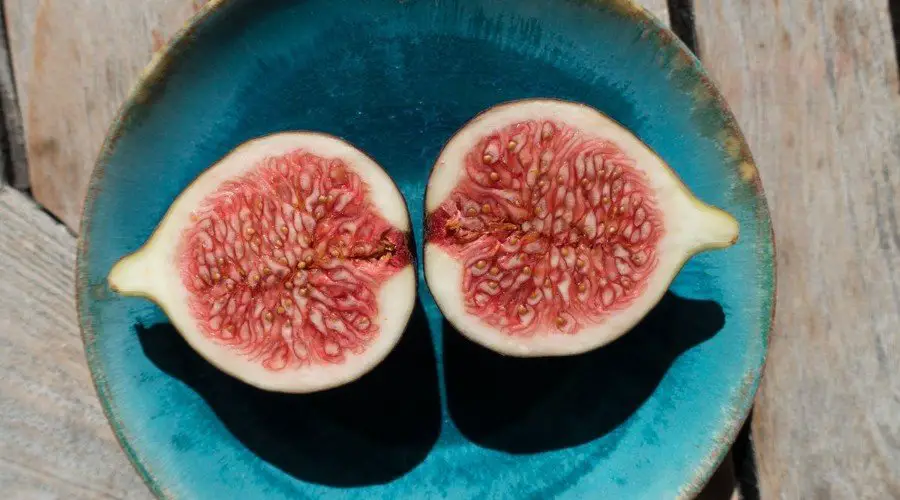
Figs, along with most other dried fruits, are high in carbs and sugar. For this reason, figs don’t fall under the approved foods for a ketogenic diet. It is best to avoid them or only consume them in moderation.
Although figs do not fit into a low carb diet plan like Keto, you may be following a different diet plan, such as a low fat diet or calorie reduction plan. In these cases, eating figs are low in fat and in calories (in moderate amounts). If you love figs, you can probably get away with including a few in most diets.
Fresh figs are not as high in carbs as dried figs. Although they contain natural sugars and carbs, both fresh and dried figs are good for you. In fact, they have a number of health benefits. Keep reading to find out more…
If you’re looking to shed pounds, figs are a great replacement for unhealthy snacks. So why not swap out your candy and have a fig instead?
How Many Carbs are in Figs?
Fresh Figs: There are 8 grams of sugar and
5.4 grams of carbs per medium fresh fig.
Dried Figs: It may be harder to estimate for
dried figs of different varieties, which can have up to 12 grams of
sugar per fig.
Are Figs Keto-Friendly?
Dried fruit, including figs, can pack a high-carb punch. It is best to stick with fresh figs, as they are lower in carbs. It is safe to enjoy one or two fresh figs while on Keto. Eat one as a treat or use one to sweeten smoothies, but be careful not to overindulge. Eating too many figs in one sitting could cause you to exceed your daily carb limit, ultimately preventing ketosis.
How Many Calories in Figs?
One large, fresh fig has
just 47 calories.
One dried fig contains 21 calories.
There are 74 calories in a 100 gram serving of figs.
Nutrition Facts
Serving Size: 1 fig (8.4 grams)
Per Serving
% Daily Value*
Calories 21
Calories from Fat 2
Total Fat 0.1 grams
0%
Saturated Fat 0 grams
0%
Polyunsaturated Fat 0 grams
Monounsaturated Fat 0 grams
Cholesterol 0 milligrams
0%
Sodium 1 milligram
0%
Potassium 57 milligrams
4%
Carbohydrates 5.4 grams
2%
Dietary Fiber 0.8 grams
3%
Vitamin K · Vitamin C
0%
Calcium · Potassium
1%
Sugar 4.3 grams
Health Benefits
Figs may be high in sugar and
carbs, they are very low in saturated fat, cholesterol and sodium. They’re also an
excellent source of polyphenols, powerful antioxidants in the form of flavonoids that
work to detoxify the body.
Figs are also rich in alkaloids, triterpenoids, and vitamin C – compounds that have anti-diabetic, anti-cancer, and antimicrobial properties. Figs are quite a nutritional powerhouse and if you consume them regularly, they could help lower your risk of chronic diseases.
In fact, one research study discovered important antioxidant and anti-cancer activities in participants who took dried coarse fig powder over a period of time.
Figs are a good source of micronutrients, like calcium, magnesium and potassium. The potassium and calcium that is rich in figs are vital nutrients for muscle function. The magnesium found in figs regulates blood pressure and supports enzyme reactions.
Vitamin K is also abundant in figs, an important building block used by the body for blood coagulation and wound healing.
Fun Fig Facts
Figs come from the Ficus species, of which there are over 750 known varieties in the world.
There are as many distinct species of fig wasp, an insect that coevolved to pollenate and fertilizes each species of Ficus.
Among the different fig species are trees, vines, shrubs, and epiphytes.
There is a species called Strangler figs that grow differently. Their roots grow downward from the trees, which ultimately kills and replaces them (hence the name).
A banyan tree (Ficus benghalensis) can span many acres and resemble a small forest because of trunks grown from aerial prop roots. The largest banyan fig tree on record was planted in India and continues to grow today, spanning over 4 acres.
Fig trees are a common species in many rainforests. They produce figs all year round and are important food sources for thousands of animal species, as well as humans.
Fig trees were once believed to be flowerless because the tree’s flowers are hidden inside the fruit. The fruit itself is the blossom, containing hundreds of tiny seeds inside each fig.
Figs are documented in every major modern religious text, including the Holy Bible, the Quran and the Torah. Figs are central to many creationist stories. Perhaps this is the reason why they are known as “fruit of the Gods”.
In the early Olympics, figs were given to the winners as prize medals.
Figs are part of the Mulberry family.
Many cultures in Africa, Asia and South America have learned to turn the bark of fig trees into a cloth material, used to produce clothing and paper. Ugandans still produce cloth from the bark of fig trees even today.
Related Questions:
Are Figs High in Fiber?
Yes, figs are a good source of Dietary Fiber. One fig contains 3 percent of your daily recommended amount of fiber. One ounce of dried figs contains 3 grams of fiber.
Are Figs High in Sugar?
Figs have a high glycemic index, coming in at an estimated Glycemic load of 44. They are made up of 55% sugar, which is the highest sugar content of all fruit.
Depending on the size and type (dry or raw), one fig can contain anywhere from 3 to 9 grams of sugar. Figs (particularly dried figs) fall into the type of fruit that diabetics should avoid, because of their concentrated sugar content.
Can Figs Treat Constipation?
Yes, figs can assist you in making healthy, regular bowel movements because of their fiber content. Dried figs have more dietary fiber than most other common fruits. Due to their natural laxative effects, dried figs are often used in the treatment of constipation.
Women should aim for 25 grams of fiber daily, while men should aim to consume 28 grams of fiber to keep bowels moving regularly. A fistful of fresh or dried figs (about 3 -5 figs) provides 5 grams of dietary fiber. That’s 20% of your daily requirements!
Figs, fresh or dried, are a great way
to achieve your daily value of fiber to support healthy digestion and
regularity.
Why Do Figs Make my Tongue Burn?
Do you ever experience a sore tongue or a burning sensation in your mouth after eating fresh figs? You may have noticed this side effect, if you eat a lot of figs and may have wondered the cause. This is due to the substance in the skin of the fig called phison. Your tongue may feel burned from exposure to phison, the proteolytic enzyme that breaks down proteins.
Some individuals complain of having a sore mouth and tongue after eating figs because they are sensitive to phison. If your reaction is severe, it may indicate a fig allergy. If you’re new to figs or a person who has a lot of allergies, it’s best to try just one or two figs to start and then wait a while to make sure you don’t have a reaction to the fruit.
Since most of the phison is contained in the fig’s skin, the best way to avoid this burning sensation or any allergic reaction is to spoon out the inner part of the fig and eat it separately, disposing of the skin.
The less ripe a fig is, the more phison that it contains. Therefore, choose more ripe figs to avoid the burning tongue after-effect. If a fig is firm, it is not ripe enough. Choose figs that are soft, but not mushy.
How Do I Pick the Best Figs to Buy?
When purchasing fresh figs in bulk, look for figs that are clean and dry, with unbroken skin. Avoid figs that are too firm as they have not fully ripened.
Good figs should be soft, smooth, and pliable to the touch. Avoid purchasing figs that are wet, dirty, split-open or mushy.
Twizzlers are a favorite treat among many, but is this licorice candy Keto friendly? Twizzlers are high in sugar and clock in at 36 grams of carbs in just 4 sticks. This candy is not a good option for those following the Keto diet.
How Many Carbs are in Twizzlers?
There are 36 grams of carbs and 19 grams of sugar in just 4 sticks of Twizzlers candy. One stick of the candy contains 9 grams of carbs.
How Many Calories are in Twizzlers?
There are 160 calories in a 4 sticks serving of Twizzlers candy; which equates to 40 calories per stick. Twizzlers make a better suited candy option for those following a calorie reduction plan or a low fat diet, rather than a low carb diet, like Keto.
Origin of Twizzlers Candy
The original manufacturer of Twizzlers
candy, Young and Smylie is one of the
oldest confectionery firms in the United States. The company established Y&S
as its trademark in 1870. In 1902, it
became National Licorice Company through the merger of the following firms:
Young & Smylie, S.V. & F.P. Schudder and H.W. Petherbridge.
A new plant was opened in Montreal in 1908 and then in 1929 the Twizzler brand was founded. In 1968, the company changed its name again to Y&S Candies Inc., which was acquired by Hershey Foods in 1977.
From 1970 through 1999, the candy was made at a plant in New Mexico, but moved the operation to Memphis. Since 1999, all Twizzlers licorice candy are manufactured at their Memphis and Lancaster locations.
Nutrition Facts
The nutritional breakdown of this candy product is comprised of 3% fat, 3% protein, 2% iron and a whopping 94% carbohydrates.
Twizzlers candy is essentially devoid of nutrients, with the exception of trace amounts of protein, fat and iron. The carbohydrates in this candy come from corn syrup, wheat flour, and sugar. Just 4 sticks of the candy contain 19 grams of sugar. In addition to the exorbitant amount of sugar, Twizzlers are also loaded with unhealthy artificial coloring and flavoring.
Twizzlers Ingredients
Strawberry Twizzlers Twists
Corn syrup, wheat flour, sugar, cornstarch, contains 2% or less of palm oil, salt, artificial flavor, glycerin, citric acid, potassium sorbate (preservative), artificial color (red 40), and soy lecithin.
Black Licorice Twizzlers Twists
Corn syrup, enriched wheat flour (flour, niacin, ferrous sulfate, thiamin mononitrate, riboflavin, and folic acid), sugar, cornstarch, contains 2% or less of: licorice extract, palm oil, salt, natural and artificial flavor, glycerin, potassium sorbate (preservative), artificial color (red 40, blue 1), caramel color, sulfur dioxide, mineral oil, soy lecithin.
Medicinal Benefits of Black Licorice
Because of its beneficial effects, the licorice root has been dubbed a medicinal plant. The benefits of licorice candy depend on whether the candy contains real licorice root from the licorice plant. Red licorice candy never contains actual licorice root, but sometimes this substance is contained in black licorice. However, most licorice candy in North America consists of mainly sugar and artificial coloring and has no real health benefits.
Black licorice made from real licorice root or extract can have significant health benefits, but it may also carry certain health risks. Ask your doctor about the potential hazards of eating large amounts of real licorice root or taking licorice supplements.
The active ingredient which occurs naturally in the licorice plant and in licorice extract is called Glycyrrhizin – not to be confused with glycerin. Black Licorice Twizzlers contain a very trace amounts of licorice extract and the glycyrrhizin levels are well below the U.S. FDA’s limits. Glycyrrhizin may also be found in higher amounts in other black licorice candies that are manufactured in other continents.
Believe it or not, licorice has a long history of medicinal use in both Eastern and Western hemispheres to treat stomach problems, from ulcers to indigestion. Real licorice may help soothe sore throats, treat respiratory infections and relieve oral cancer sores in the mouth. When ground down and used as a body cream, licorice root may help heal skin conditions like eczema.
Licorice root or licorice extract could even help you lose weight. A study conducted in Japan in which subjects were given from 300 to 900 milligrams of licorice flavonoid oil daily and over eight weeks, participants taking licorice lost more body fat than those taking a placebo. Participants who ingested the most (900 milligrams per day) showed a significant reduction in body weight, LDL cholesterol, and visceral fat.
There are some dangers to consuming too many candies made of real licorice or taking licorice root extract that contains glycyrrhizin for more than two weeks. Doing so can cause pseudoaldosteronism – a disorder that increases your sensitivity to a hormone produced by the adrenal glands. Pseudoaldosteronism is a medical condition that could result in raised blood pressure, fluid retention and potassium deficiency.
Individuals who have a history of heart problems or high blood pressure should avoid candies or supplements containing real licorice root or licorice extract. Licorice could also reduce testosterone levels in men. Due to its effect estrogen, licorice may be problematic to pregnant women and those diagnosed with cancers of the breast or uterus.
Related Questions:
Are Twizzlers Vegan?
Twizzlers do not contain animal products
like gelatin and are approved as vegan candy.
Are Twizzlers Gluten-Free?
Twizzlers products are not
gluten-free as wheat is
one of their main ingredients.
Are Twizzlers Kosher?
All Twizzler products are kosher and certified by the Orthodox Union.
Are Twizzlers Safe to Eat During Pregnancy?
Real licorice candy contains
glycyrrhizin, a substance obtained from the root of the licorice plant. Glycyrrhizin is a substance which occurs naturally in the licorice plant and in licorice extract.
Twizzlers Black Licorice contains a very small amount of licorice extract and the glycyrrhizin levels are well below the U.S. FDA’s limits (3.1% glycyrrhizin in soft candy).
The red Twizzlers do not contain any glycyrrhizin whatsoever, so they are safe to eat during pregnancy. Very little licorice candy manufactured in the United States contains glycyrrhizin, although licorice candy from other parts of the world may contain this active ingredient.
A Finnish study found that real
licorice could induce premature labor, do not take real licorice product while
pregnant. Higher blood pressure and preterm delivery are known effects
of licorice. For this reason, licorice
is listed as a food to be avoided for pregnant women in Finnland.
Children exposed to large amounts of licorice while in the womb did not perform as well on cognitive reasoning tests and had a significantly lower IQ than children not exposed to licorice in utero. Parents of these children also reported puberty in girls and more occurrences of ADHD in both girls and boys.
Are Twizzlers Safe for Diabetics?
If your blood sugar level is already higher
than recommended, it is not a good idea to eat high-carbohydrate, high sugar foods,
like candy. If your blood sugar level is
normal, it’s still important for diabetics to test their blood sugar level
right before eating the candy and after each piece to see how your levels are
responding. Keep portion sizes small,
like a mini-pack or restrain yourself to eating only 2 sticks of Black LicoriceTwizzlers, since these are almost pure
sugar.
Often times diabetics allow themselves
a sugary treat on occasion, like a Twizzler or two during a low blood sugar incident. If
they feel their blood sugar is getting low during the day and they are between
meals, they might have a small sugary treat to bring their blood sugar back up
to a safe level.
Although black
Twizzlers contain only a small amount of real licorice extract, other licorice
candies may contain higher amounts. It
has now been discovered that real licorice root, the raw material for licorice
candy contains substances that have an anti-diabetic effect. The molecules of these substances reduce blood
sugar and possess anti-inflammatory properties that are well tolerated by the body.
In
Berlin, Germany, a research team identified a group of natural substances
within licorice root called amorfrutins, which are named after the fruit of the
Amorpha fruticosa bush in which they are derived. The study found that amorfrutins reduce blood
sugar levels and inflammation present in the mice suffering from diabetes. In
addition, ingesting the amorfrutins prevented the development of a fatty liver,
another common side effect of diabetes
Amazingly, the reduced glucose levels from test subjects given licorice root resulted in the prevention of insulin resistance in test subjects and succeeding in blocking the main cause of type 2 diabetes. If licorice has the potential to prevent type 2 diabetes in mice, breakthroughs in treating humans with type 2 diabetes in the future with licorice root look promising.
Potato salad is a traditional mayonnaise-based side dish made from boiled potatoes and a variety of other ingredients and served cold.
Because potatoes are used to make
this salad, traditional potato salad is a higher carb side dish. Traditional
potato salad should be avoided while following a Keto diet or eaten in careful moderation
while following a more liberal low carb diet.
However, you don’t need to forgo potato salad forever. Don’t fret!
You can revamp your favorite potato salad recipe with the clever low
carb substitutions mentioned in this article.
There are several ways to make a low carb version of potato salad. For example, you can use fewer potatoes and add in more of the low carb veggies and boiled eggs as fillers. You really only need to use a few potatoes to make a whole potato salad that serves four. Dice your potatoes into small pieces, so that they stretch further. Once you add all your other ingredients in, it makes a large bowl full!
Baby potatoes or purple potatoes are
lower in carbs than other types. You can
also substitute cauliflower for the potatoes to make a mock potato salad or
switch out half of the potatoes for cauliflower. For an even lower calorie potato salad, use
calorie-reduced mayonnaise or substitute half the mayonnaise for fat-free Greek
yogurt. A simple trick to cut the fat
and calories in half.
Trust me, you’ll barely notice any difference, except the difference in your waistline!
Is Potato Salad Keto-Friendly?
Potato salad has a fair amount of
carbs (28 grams per cup); therefore, many Keto dieters substitute cauliflower
for the potatoes for a lower carb mock potato salad. I have included a recipe for Keto Mock Potato
Salad later in this article, so keep reading…
How Many Carbs are in Potato Salad?
There are 11 grams of carbs in a 100
gram serving of potato salad. A whole
cup of the stuff contains 28 grams of carbs.
How Many Calories are in Potato
Salad?
There are 143 calories in a 100 gram serving of potato salad. A whole cup of potato salad contains 357
calories.
Potatoes are loaded with nutrients
including fiber, vitamin C and potassium.
They’re also free of fat and cholesterol. However, potato salad can contain up to 30
grams of fat per serving. For a lower
calorie potato salad, cut the mayo in half and replace it with fat-free Greek
yogurt. This quick substitution
cuts the fat in half, while retaining the creaminess and great flavor.
Origin
During the 16th century, Spanish
explorers discovered the potato in South America and took the root vegetable
back home. The potato was then introduced
to Europe by merchants and farmers. Potato salad is believed to have originated in
Germany from where it spread throughout Europe and later gained popularity in
European colonies.
Health Benefits of Potato Salad
Potatoes are low in calories and
fat-free. They contain no sodium nor
cholesterol, yet pack nearly half your daily value of vitamin C and more
potassium than a banana. They’re an
excellent source of B6, fiber, and magnesium.
Additionally, they contain healthy resistant starch and several
antioxidants.
Adding in olive oil based mayonnaise to your potato salad provides healthy fats and proteins as this delicious dressing is made with eggs. Any low carb diced veggies you decide to add to your potato salad after that will only increase the nutrient value of your salad.
Benefits of Resistant
Starch in Potatoes
Maintains heart health and fights heart disease.
Promotes weight-loss.
Keeps your digestive system running smoothly.
Improves and regulates blood sugar.
Nutrition Facts
Based on a 100 gram serving of potato
salad:
Calories 143
% Daily Value
Total Fat 8 g
12%
Saturated fat 1.4 g
7%
Polyunsaturated fat 3.7 g
Monounsaturated fat 2.5 g
Cholesterol 68 mg
22%
Sodium 529 mg
22%
Potassium 254 mg
7%
Total Carbohydrate 11 g
3%
Dietary Fiber 1.3 g
5%
Protein 2.7 g
5%
Vitamin A
3%
Vitamin C
16%
Calcium
1%
Iron
3%
Vitamin D
0%
Vitamin B-6
5%
Cobalamin
0%
Magnesium
3%
Keto Purple Potato Salad Recipe (with Cauliflower and Pickles)
Ingredients:
1 head of cauliflower, chopped into 1/2 inch flowerets (no stalks)
2 baby purple potatoes, peeled and diced
1/2 cup mayonnaise (full fat for Keto dieters or reduced fat for calorie counters)
1 teaspoon Dijon or yellow mustard
1 teaspoon relish
1 teaspoon fresh dill
1/4 cup finely chopped dill pickle
1 large celery stalk, diced
¼ cup diced cucumber, deseeded (cut length-wise before dicing to deseed or salad will become too wet)
3 radishes, finely diced
1/4 cup chopped red onion
2 tablespoons fresh parsley, chopped
1 teaspoon pickle juice
6 hard-boiled eggs, sliced
1 teaspoon paprika
Pink Himalayan Sea Salt, to taste
Fresh ground black pepper, to taste
Instructions:
Fill a large pot with 2 cups of water and 1 teaspoon salt and bring it to a boil. Add the cauliflower and diced purple potatoes and cook until tender, about 10 minutes. Drain and set aside in a large salad bowl. You can hard-boil your eggs at the same time in a separate pot. (The perfect hard-boiled egg takes exactly 11 minutes, no more and no less. Boiling your eggs any longer could result in that unsightly gray ring around the yolk.)
Meanwhile, in a small salad dressing bowl, combine the mayonnaise, mustard, dill, parsley, and a pinch of salt and pepper. Set aside.
Chop 3 of the eggs and add to the bowl with the cauliflower. Slice the remaining 3 eggs to garnish the top of salad
Add pickle, cucumber, radishes, celery, 1/4 teaspoon salt, pepper, and red onion. Add the mayo mixture and pickle juice to the cauliflower and cooked baby potatoes, tossing to evenly coat.
Garnish with the reserved hard-boiled egg slices and sprinkle with paprika. You may wish to add more salt and pepper to taste before serving. I like to serve a scoop of this salad on top of a lettuce leaf, alongside a serving of lean protein, like barbequed chicken. Yum!
Each ¾ cup serving contains only 6 grams of carbs.
Related Questions:
Is Potato Salad Fattening?
The addition of mayonnaise, oily dressings and even bacon bits will fatten up potato salad quickly. You’re looking at over 420 calories and 30 grams of fat per cup of the high-fat variety. Make healthy potato salad by cutting the mayo in half and replacing it with fat-free Greek yogurt.
Is Potato Salad Gluten-Free?
You may be thinking that potato
salad is naturally gluten-free, but it is the mayonnaise in the
creamy recipes that is the culprit. Make sure you choose a gluten-free
salad dressing. Hellman’s Real Mayonnaise,
Light Mayonnaise, Low-Fat Mayonnaise Dressing are gluten-free, while
other types may contain wheat. Look for the words “gluten-free” in the
ingredients panel to be sure there aren’t any sneaky wheat-based fillers added.
Is Potato Salad Safe for Diabetics?
Some potato dishes are better than others for people with diabetes. A potato salad can be a good
option as the potatoes are whole. However, other ingredients, such as mayonnaise, should be low-fat with no sugar added. Believe it or not, when you eat cold
cooked-potatoes, you receive a lower blood sugar response compared to hot
potatoes. Pre-cooked potatoes that have been cooled and then reheated also
result in a lower blood sugar response compared to a hot, freshly-cooked potato. You can eat baby potatoes even if you have prediabetes
or insulin resistance. Baby potatoes,
also known as “new potatoes” are the best potatoes for diabetics to consume as
they are slower to digest. Baby purple
potatoes are even better as they give an even lower blood sugar response.
Carbs and Calories in Ginger: Is Ginger Keto Friendly?
Good news! Ginger is low in carbs and Keto-friendly. Because of its robust aromatic flavor, you don’t need to use much ginger to flavor foods.
A teaspoon of fresh ginger goes a long way and contains less
than half a gram of carbs.
So go ahead and add a little ginger spice to your life!
How Many Carbs are in Ginger?
1 teaspoon of fresh ginger contains only 0.4 grams of carbs.
1 tablespoon of fresh ginger contains 1.07 grams of carbs.
5 slices (approximately 1 inch in diameter) contain 2 grams of
carbs.
A quarter cup of sliced ginger contains 4.3 grams of carbs.
Is Ginger Keto-Friendly?
Yes, ginger is low in carbs
and Keto-friendly. You can safely enjoy
ginger on the Ketogenic diet. Eating ginger
won’t throw your body out of ketosis.
Fresh or dried ginger can be used to flavor foods and drinks
without adding unnecessary salt or sugar. Since it is often consumed in such
small amounts, ginger does not add significant quantities of carbohydrates.
How Many Calories are in Ginger?
Fresh: 1 tablespoon of fresh ginger has:
4.8 calories. Fresh ginger has
fewer calories and a stronger, better flavor, so you tend to use less.
Dried: 1 tablespoon of dried ground ginger contains
18.2 calories. There are more calories
in dried ginger than fresh, but dried ginger is still quite low in calories as
you wouldn’t need to use that much.
Nutrition Facts
Based on a 1 Teaspoon Serving of Fresh Ginger Root
Calories 2
% Daily Value
Total Fat 0 grams
0%
Saturated fat 0 grams
0%
Polyunsaturated fat 0 grams
Monounsaturated fat 0 grams
Cholesterol 0 milligrams
0%
Sodium 0.3 milligrams
0%
Potassium 8.3 milligrams
0%
Total Carbohydrate 0.4 grams
0%
Dietary fiber 0 grams
0%
Sugar 0 grams
Protein 0 grams
0%
Other nutrients found in ginger in ginger are:
Vitamin B6
Magnesium
Phosphorus
Riboflavin
Niacin
Zinc
Folate
Origin
Ginger is a flowering plant of which its root is commonly used as a spice and a folk medicine. Ginger is of the family called Zingiberaceae, the same plant family as turmeric. It is a herbaceous perennial, growing annual false stems that are actually made up of the rolled bases of leaves.
The plant grows about a meter tall. The flower heads grow in light yellow at the top and purple near the base of the flower. These flowers grow upwards in shoots from the rhizome (mass of roots).
Ginger was used by ancient Greeks and Romans. The ginger plant originated in Southeast Asia and was domesticated first by the Austronesian natives. It was one of the first spices exported from Asia, arriving in Europe with the spice trade. It was transported with them throughout the Pacific regions, exporting the root as far as Hawaii.
Uses / Health Benefits
Ginger is very low in Cholesterol and Sodium. It contains a
small amount of Dietary Fiber. It is
rich in Vitamin B6, Iron, Magnesium, Potassium and Selenium, and is also a good
source of Vitamin E and Manganese.
Ginger is effective in the
treatment of the following ailments:
Indigestion
Nausea
Cold and Flu
Inflammation
Pain – Ginger has also been found to reduce the symptoms of dysmenorrhea, the severe cramps experienced by some women during menstruation.
Migraine and Headache
High Cholesterol. Ginger lowers cholesterol.
Blood Clots – Lowers risk of blood clotting.
Diabetes – Maintains healthy blood sugar levels.
Reactions / Side Effects
If you are taking daily doses of ginger root or ginger powder
for medicinal effects to treat ailments, you may experience some reactions or
side effects.
Side
effects of ginger may include:
Increased bleeding tendency.
Abdominal discomfort.
Cardiac arrhythmias (if overdosed)
Central nervous system depression (if overdosed)
Dermatitis (with topical use)
Diarrhea.
Heartburn.
Mouth or throat irritation.
Ginger has also been reported
to have interactions with some medications.
Most interactions are mild;
however, ginger may reduce the efficacy of the following mediations and herbal
supplements:
Abciximab
Anagrelide
Anamu
Cilostazol
Clopidogrel
Danshen
Prasugrel
Ticlopidine
Tirofiban
Devil’s Claw
Dipyridamole
Eptifibatide
Green Tea
Ginger Root Tummy Tamer Tea
Whether you have indigestion after a cheat meal or you’re feeling sluggish and need a quick pick-me-up, try ginger root and turmeric tummy tea. It’ll give you an instant energy boost and it also relieves an upset stomach.
Not only is the ginger energizing, but the turmeric in this tea also reinvigorates your metabolism while reducing any inflammation in your body. The lemon adds an alkalizing effect, some vitamin C, and a delicious citrus flavor.
Ingredients:
5 slices ginger, approximately 1 inch in diameter.
3 slices lemon
1 and ½ cups filtered water
½ teaspoon Turmeric
½ teaspoon raw honey or sugar-free sweetener of choice
Directions:
1. In a small saucepan, bring 1 and ½ cups of water to low boil. Add 5 slices of ginger root and 3 slices of lemon. Turn the heat down to a low simmer and put a lid on the pot. Allow the tea to steep for 4-6 minutes, depending on the strength of tea preferred.
2.
Remove the lemon and ginger slices from the tea with a strainer and then stir
in ½ teaspoon of turmeric until it dissolves.
3. Pour your tea and enjoy hot! You can add additional lemon. Stir in no more than ½ teaspoon of raw honey (which adds 3 grams of carbs). If you like your tea sweeter, use a natural, sugar-free sweetener like Stevia.
Does Ginger Contain Fiber?
Ginger is not a significant source of fiber. There are 0 grams of fiber in a teaspoon of fresh ginger root. To get 1 gram of fiber, you would need to consume 50 grams of ginger. Most people would not typically consume that much ginger, due to its spicy, robust flavor. The amount typically used to flavor meals wouldn’t amount to any significant fiber benefit.
Can Ginger Relieve Constipation?
Although ginger is a low fiber food, it can still be helpful in treating constipation by stimulating the digestive system. When constipation is a result of poor digestion, ginger root can help aid bowel movements.
Ginger tea may help with digestion after a heavy meal.
Drinking 1 or 2 cups each day, after meals, may help the body to process food
and produce regular bowel movements.
Can Ginger Help Lower Blood Pressure?
Ginger may help lower blood pressure, so if you
regularly supplement with ginger, you might experience light-headedness as a
side effect. Studies show that ginger supplementation has positive
effects on both systolic blood pressure and diastolic blood pressure. However, blood pressure was significantly
decreased only in participants of the studies who were under 50 years of age.
Can Ginger Help Cure a Headache?
Ginger contains salicylates, the additive in aspirin that acts
as a blood thinner. You would
have to consume much more than the recommended 4 grams of ginger a
day to experience a blood-thinning effect.
Ginger, like its relative turmeric, has gained popularity due to
its many medicinal benefits. While ginger is best used as a calming remedy
for nausea, indigestion and upset stomach, this powerful root also has the
potential to relieve pain from headaches and even migraines.
Does Ginger Promote Weight-Loss?
Studies that looked at ginger’s weight loss benefits suggest that ginger has a significant effect on body weight and belly fat, measured by waist to hip ratio. It was found that ginger water or tea may help promote weight loss when combined with a healthy diet and exercise.
However, one study involving rats showed that ginger suppressed obesity in the rodents who ate high-fat diets. A human study found that men who drank hot ginger tea after eating felt more satiated for longer periods of time, which may have resulted in an intake of fewer calories overall.
Gingerols have an anti-obesity effect by helping food to digest faster and move food through the colon more efficiently. This may also have a positive effect on metabolism.
Studies also show that the gingerols in ginger may even stabilize blood sugar levels. A stable blood sugar level is a key proponent in weight-loss, especially for those following a Ketogenic diet.
Can Ginger Assist in Hair Growth?
Yes, ginger (and
also onion) is said to be effective in stimulating hair growth. Ginger
is helpful to control hair fall and decreases problems like hair thinning.
Mix together ginger and onion in a blender and strain to the juice (reserve the pulp for cooking – it’s great in a stir-fry!) Apply the ginger and onion juice to your scalp and gently massage it for a few minutes, then rinse and wash hair with a gentle shampoo.
Rich in minerals and essential oils, Ginger makes hair more manageable, softer and shinier. Ginger is a great remedy for dandruff and dry, itchy scalp since it contains natural anti-inflammatory and antiseptic properties to help cleanse the scalp and keep your hair healthy, manageable and flake-free.