Recent Posts

Is Coffee Keto? The Heart Warmer for Dieters


Coffee is generally considered a keto-friendly drink, as long as you don’t add any sugar or artificial sweeteners. Black coffee contains no carbs and very few calories, making it an ideal beverage to include in your ketogenic diet. In addition to providing an energy boost and helping with cravings, coffee can also benefit keto dieters by improving insulin sensitivity, reducing blood pressure, and helping to burn fat.

coffee on keto

Tasty Modifications you can Give to your Keto Coffee

Black, unsweetened coffee is always a good choice. In this manner, you can enjoy coffee’s health advantages without sacrificing your ketogenic diet. Nonetheless, coffee drinks can easily be adapted for a ketogenic lifestyle.

Here are 4 ways to enjoy a delicious keto-friendly coffee

Spice It Up

Spices are a quick, tasty way to improve the flavor of your coffee while also providing special health advantages like lowering blood sugar and reducing inflammation. For instance, Ceylon cinnamon, a warm and sweet spice, can increase insulin sensitivity, assisting in reducing blood sugar and promoting fat burning. Another wonderful option to give your coffee a little additional kick while improving your energy and immune system is ground ginger. You can also rely on other aromatic spices like nutmeg, cloves, turmeric, and cardamom to energize your metabolism and digestion with each drink.

Make It Creamy

If you’re looking for something creamy but still low carb, try replacing cow’s milk with coconut milk or grass-fed butter. You can also add heavy cream and MCT oil for an extra boost of fat and energy. MCT oil has no flavor or smell, so it will blend in with the rest of your beverage.

Health advantages of MCT oil include:

  • Inhibiting appetite
  • Increased metabolism
  • boosting athletic performance when working out
  • Aiding the ketosis state

Make It Sweet

For sweetener alternatives that are low in carbs, consider using monk fruit syrup or natural sugar substitutes like stevia or erythritol.

Add Protein

Many keto dieters mix protein powder into their coffee since the keto diet places an emphasis on fats and proteins rather than carbohydrates. This aids them in maintaining the proper ratio of macronutrients for maintaining ketosis.

Bulletproof Keto Coffee Recipe

This heavenly coffee resembles a creamy latte and takes 5 minutes to prepare!

keto coffee
  • 10-12 ounces of hot brewed coffee (opt for high quality beans)
  • 1 tbsp. grass-fed butter
  • 1 tsp. of MCT oil
  • Cinnamon to taste
  • Pink salt (a pinch)
  • Blend all ingredients in a blender until they are smooth and enjoy!

How Much Coffee is Too Much?

Insulin sensitivity plays a major role in the success of any low-carb diet, especially ketogenic diets. When insulin sensitivity increases, your body is better able to break down the food you eat into energy instead of storing it as fat. However, too much coffee can increase cortisol (the stress hormone) levels, which can lead to higher insulin production and ultimately weight gain. Therefore, it is important to monitor your caffeine intake and ensure that you are not drinking too much coffee in a day.

If you find yourself drinking too much coffee, try reducing your intake gradually over time or switch to decaffeinated coffee with added MCT oil or grass-fed butter for an extra boost of healthy fats.

Intermittent Fasting and Keto Coffee

Intermittent fasting and keto coffee are two great tools to use when trying to support your weight loss and burn fat on a ketogenic diet. Intermittent fasting helps the body enter into ketosis faster as it gives the digestive system time to rest. Keto coffee can also help boost energy levels and increase fat burning as it consists of healthy fats.

Coffee and Net Carbs

When following the keto diet, one should be mindful of net carbs as this is what determines how many carbohydrates are absorbed by the body. The easiest way to keep track of net carbs is by subtracting dietary fiber and sugar alcohols from total carbohydrates. This will help keep you satiated when dealing with sugar cravings so you can remain within your daily carb allowance while still enjoying an amazing cup of joe.

What are the Best Low Carb Alternatives to Fruit Juice and Alcoholic Beverages?

If you’re looking for alternatives to fruit juice or alcoholic beverages on a low- carb high- fat diet, consider low-carb options like unsweetened iced tea, sparkling water, sugar-free seltzer water, and herbal teas. When it comes to alcoholic drinks, dry wine is generally the best option as it has no carbs and very little calories. For beer lovers, there are some brands that offer low carb selections.

Conclusion

is coffee keto

Coffee can be an excellent addition to any low carb high fat lifestyle when consumed in moderation.

By understanding net carbs, managing sugar cravings with healthier alternatives and reducing caffeine intake for better stress management, you’ll be able to enjoy amazing cups of joe while still losing weight and burning fat on a keto diet. Be sure to take advantage of the delicious keto coffee recipes out there to get all the benefits and none of the guilt.
Is Oat Milk Keto? How to Enjoy Creaminess Guilt-Free!


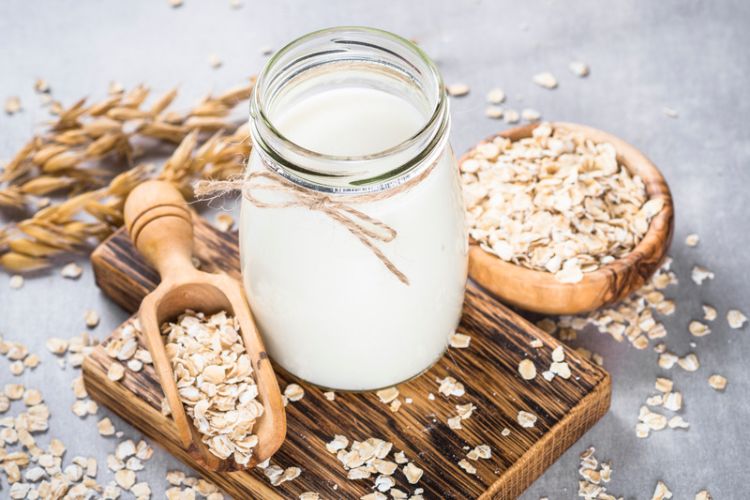
Oat milk has been gaining popularity among those on the keto diet, but is oat milk keto-friendly?

To answer this question, it’s important to understand the nutrient profiles of oat milk and compare this to other keto-friendly dairy-free milk options.

oat milk keto

Oat Milk vs other Non-Dairy Milk Options

When considering which type of non-dairy milk to add to your keto diet, it’s important to compare the nutritional facts of both options. To make things easier for you, I am comparing oat milk with two of the most famous milk substitutes: almond milk and coconut milk.

While unsweetened almond and coconut milks contain fewer carbs than oat milk (about 1 gram per serving and 5 grams per serving, respectively), oat milk is a much better source of protein and calcium.

Nutritional Value of Oat Milk

Oat milk contains about 5 grams of protein per cup and is an excellent source of vitamin D, which can help protect against osteoporosis and other bone diseases. It also has a higher fat content than almond or coconut milk, with 7 grams of healthy fats per one cup serving. This makes it great for those on the keto diet who are looking to increase their fat intake.

However, oats themselves have a high carbohydrate content (containing about 70 grams per cup) with approximately 14 grams of net carbs per serving. While this may seem like a lot for those on the ketogenic diet, you can still consume oat milk on a keto diet as long as you maintain your daily net carb allowance and pair it with other low-carb meals.

Nutritional Value of Almond Milk & Coconut Milk

Almond milk is a great source of calcium and vitamin E, both of which are important for bone health. It’s also low in calories and contains no cholesterol or saturated fats. Coconut milk, on the other hand, is higher in healthy fats than almond milk and can be a good choice for those on the keto diet who want to increase their fat intake without going over their daily net carb allowance.

Can You Consume Oat Milk on a Keto Diet?

is oat milk keto

Oat milk can be enjoyed on a keto diet as long as it fits into your individual macro goals. It is higher in carbs than cow’s milk and other dairy free milks, but it also has a great nutritional profile.

In short, oat milk may be a good choice, provided you only take a limited amount and know how to combine it with other low-carb foods. Remember, if you’re only supposed to get 30 grams of carbs per day on the keto diet, that cup of oat milk makes up half of your daily budget. Womp, womp!

How to Make Oat Milk?

Simply combine 1 cup of rolled oats and 4 cups of water in a high-speed blender, then process on high for 30 to 45 seconds to create oat milk. For optimal results, strain through a clean t-shirt or towel.

Usually nut milk bags  let too much pulp through. I do not advise using fine mesh strainers since they also allow too much pulp to get through.

Every time you use this approach, you’ll get rich, creamy oat milk that goes great with coffee, matcha, soups, baked goodness, and more.

oat milk on keto

Is Popcorn Keto? Will You Pass on the Most Loved Snack?


Popcorn is a delicious snack food that has been eaten for centuries. It’s considered a whole grain, which means it’s a nutritious and low-calorie snack choice. But can you eat popcorn on the keto diet?

Keep reading to find out.

popcorn low carb?

Health Benefits of Popcorn

Popcorn provides more than just great taste; it also offers some potential health benefits. One cup of air-popped popcorn contains only 31 calories and 5 grams of net carbs, making it an ideal snack food for those on a keto diet. Popcorn is also a good source of fiber, providing 4 grams per serving, which can help aid digestion and the absorption of essential vitamins and minerals. Additionally, popcorn is rich in polyphenols—antioxidants that may help reduce inflammation and protect against certain diseases like heart disease or certain types of cancer.

Why Net Carbs Matter on Keto?

Net carbs are a crucial aspect to take into account when deciding whether or not to include popcorn in your keto meal plan. To calculate net carbs, subtract the amount of dietary fiber from the total amount of carbohydrates in a food. So, for instance, if a serving of popcorn contains 6 grams of total carbs and 4 grams of dietary fiber, the net carb count would be 2 grams per serving. Since most versions of the keto diet restrict daily carb intake to between 20 and 50 grams per day, snacking on air-popped popcorn can help you stay within your carb limit while still enjoying a yummy snack.

How to Make Healthy Air Popped Popcorn?

popcorn on a keto

Making your own air popped popcorn is easy and rewarding. All you need is some popcorn kernels, coconut oil, and an air popper machine (or stovetop skillet). Begin by heating up the coconut oil in the air popper machine or on the stove. Once heated, add in the popcorn kernels and cover with a lid. Allow to cook until the popping slows down (about 2-3 minutes). Remove from heat and sprinkle on your favorite seasonings like sea salt, garlic powder, or nutritional yeast for an extra kick of flavor.

Is Flavored Popcorn Keto-Friendly?

It’s important to remember that not all popcorn is created equal when it comes to the keto diet. Flavored varieties, such as caramel or cheese popcorn, should generally be avoided as they contain added sugars and other ingredients that won’t fit into a low carb lifestyle. Additionally, microwave popcorn brands typically use artificial flavors and preservatives which can raise blood sugar levels and throw off your bodies internal balance. These types of foods should be avoided on most versions of the ketogenic diet.

avoid popcorn with sugar

Delicious Alternatives to Replace Microwave Popcorn

There are plenty of options available to choose from. Try snacking on proteins like beef jerky, deli meats, hard-boiled eggs, pork rinds. Some ideas include roasted chickpeas or nuts, crunchy celery sticks with nut butter, dark chocolate chips and berries, or even edamame.  

These snacks can all be incorporated into a healthy meal plan and are sure to satisfy your cravings without breaking the bank. They’ re all high in protein and low in carbohydrates, making them perfect for those following the keto diet.

Can I eat Popcorn on a Keto Diet?

The answer is yes! Popcorn is an excellent option for those looking to enjoy a healthy snack without straying too far from their carb intake goals. When eaten plain and air-popped, popcorn can be incorporated into most versions of the keto diet with ease.

Popcorn can be part of your keto diet if it is air-popped with no added sugar or artificial ingredients. If popcorn isn’t your thing, there are plenty of other delicious and nutritious snacks to choose from that will fit within the keto lifestyle. With careful planning and mindful eating, you can enjoy a variety of tasty treats while still maintaining your healthy eating habits.

What is Keto Flu? How to Overcome its Symptoms?


Keto flu is a term used to describe the range of flu-like symptoms that can occur when people transition to a low-carb, or ketogenic diet. It is commonly experienced by those who have adopted the keto lifestyle and involves symptoms such as fatigue, muscle cramps, nausea, headaches, dizziness and difficulty sleeping. While these symptoms can be uncomfortable, they are also a sign that your body is adjusting to the changes in your diet and transitioning into ketosis.

keto flu

This article will explain what keto flu is, the signs of its onset, and some tips for reducing its symptoms.

Keto Diet vs a Low Carb Diet

The ketogenic diet is a very low-carbohydrate, high fat diet which has been demonstrated to have numerous health benefits. It works by forcing the body to burn fats instead of carbohydrates as its primary energy source. This causes the body to enter into a state of nutritional ketosis, which can result in rapid weight loss and improved metabolic health.

In contrast, a low-carb diet is more relaxed and does not require the body to enter ketosis like the keto lifestyle. While still beneficial for weight loss, a low-carb diet doesn’t deliver as many benefits as a full-fledged keto diet and can result in cravings for carbohydrates.

Keto Diet Side Effects “Keto Flu”

Keto induction is the process of transitioning your body from burning carbohydrates to burning fat as its primary energy source. This transition typically occurs after a few weeks on the keto diet, but it can take longer for some people depending on their starting point. During this time, your body is releasing ketone bodies to be used as fuel instead of glucose from carbohydrates. This process can cause a range of “keto flu” symptoms such as fatigue, headaches, and nausea.

How to Reduce Keto Flu Symptoms?

The most common symptoms of keto flu are fatigue, headaches, nausea, difficulty sleeping and muscle cramps. While these symptoms can be unpleasant, they are also a sign that your body is transitioning into ketosis and will pass in a few days.

Here are some tips to help you ease the transition:

  • Drink plenty of fluids – Staying hydrated is essential when transitioning to a ketogenic diet and can help reduce the severity of keto flu symptoms.
  • Increase your salt intake – Eating more sodium-rich foods and adding extra salt to your meals can help prevent dehydration, which can exacerbate keto flu symptoms.
  • Get some rest – Getting enough sleep will help your body adjust to the changes in your diet and reduce the intensity of keto flu symptoms.
  • Eat more healthy fats – Adding more omega-3 fatty acids, such as salmon, can help boost energy levels and reduce inflammation.
  • Increase your electrolytes – Eating foods rich in potassium and magnesium can help replenish electrolytes that are lost during ketosis.

How to Avoid Keto Flu?

reduce keto flu symptoms

The key to reducing your carb intake without experiencing withdrawal symptoms is to slowly wean yourself off of carbohydrates over time. Start by reducing the number and size of carbohydrate-rich meals you eat in a day and gradually cut down on snacks or treats containing carbs. Additionally, increasing the amount of healthy fats you consume on a daily basis can help you to feel fuller and reduce your cravings. Ultimately, it’s important to listen to your body and adjust your diet accordingly in order to make the transition as smooth as possible.

Monitor your Weight on Keto

When transitioning to a ketogenic diet, it’s important to keep an eye on your body weight. This is because the lower carb intake associated with this lifestyle can cause you to lose both fat and muscle mass if not monitored closely. To ensure that you are getting enough nutrients while following a low-carb diet, it’s important to eat a balanced diet that includes healthy proteins, fats, and vegetables. Eating high-quality foods in appropriate portions can also help you maintain your ideal body weight while enjoying the benefits of ketosis.

Be Aware of Stress Hormones

The keto flu can be exacerbated by stress hormones, so it’s important to manage your stress levels if you find yourself feeling worse than usual. Stress hormones are released when the body is under pressure and can disrupt the balance of hormones in the body, leading to fatigue, irritability, and headaches. Taking steps to reduce your stress levels, such as exercising, meditating, and getting enough sleep, can help ease keto flu symptoms and make the transition to a low-carb lifestyle easier.

stress hormones and keto flu

When to Seek Medical Attention?

It typically takes the body up to a few weeks to adjust to a new diet, depending on individual factors. During this time, it’s important to be aware of any keto flu symptoms that you may experience as your body adjusts. If these symptoms become severe, it is essential to seek medical attention as they could indicate more serious health complications. With proper guidance and nutrition, you can make the transition to a low-carb lifestyle safely and avoid life-threatening conditions.

To Conclude

The ketogenic diet is a low-carb, high-fat diet that has been shown to help with weight loss and improve cognitive function. Although the transition to this new lifestyle can be challenging, it can also be incredibly rewarding. To ensure success on the keto journey, it’s important to stay hydrated and eat the right balance of healthy fats and proteins. Additionally, managing stress levels and being aware of the potential for keto flu symptoms can help you transition safely and avoid life-threatening conditions.

With proper guidance and nutrition, the ketogenic diet can be an effective way to lose weight without compromising your health.

Low Carb Bean Alternative – Your Full Guide about Beans


Beans are a great source of dietary fiber, protein, and minerals. Unfortunately, they also contain high carbohydrate content, which can be problematic for people on a low-carb diet. Fortunately, there are some delicious low-carb bean substitutes that have much lower net carbs.

Luckily, you don’t have to skip out on tacos, Indian food, and Asian food just because you’re on a keto diet. Instead, try some of these fulfilling keto alternatives.

In this guide, you’ll learn how to get a little creative with bean alternatives in ways that mimic the texture and taste of some of your favorite bean dishes. You’ll also grasp an understanding of bean types and their nutritional value, including their net carb counts.

beans keto friendly

Bean Types

Let me quickly walk you through the different types of beans and their nutritional values. I ordered the beans following an ascending order for total carbs, as summarized.

Comparing different types of beans and their nutritional values:

Type of BeanTotal CarbsFiberNet CarbsProteinFatCommon Dish
Great Northern Beans15 g0 g15 g0 g0 gCrock Pot Great Northern Beans
Lima Beans28 g13 g15 g13 g0 gSoups, Stews, Veggie Burgers
Garbanzo Beans (Chickpeas)36 g12 g24 g14 g0 gHummus, Mediterranean Dishes
Navy Beans39 g19 g20 g22 g0 gNavy Beans and Ham Soup
Pinto Beans39 g15 g24 g14 g0 gRefried Beans, Mexican Dishes
Black Beans41 g15 g26 g15 g0 gVeggie Burgers, Latin Dishes
Red Kidney Beans41 g15 g26 g15 g0 gRed Beans and Rice, Rajma
Understand the nutritional differences between various types of beans and how they can be used in different dishes

Great Northern Beans

They are white beans that are small and oval-shaped. They’re known for the traditional dish “Crock Pot Great Northern Beans”.

Nutritional Value: 15 g carbs; 0 g fiber; 0 g protein; 0 g fat.

Vitamins and Minerals: magnesium, potassium, iron, phosphorus , copper, manganese, zinc, folate, and vitamins B-complex, C, and K.

Lima Beans

Lima beans, also known as butter beans, have a nutty flavor and a creamy texture. They are widely used in soups, stews, side dishes, and casseroles. Lima beans are the second-best option for making veggie burgers.

Nutritional Value: 28 g carbs; 13 g fiber; 13 g protein; 0 g fat.

Vitamins and Minerals: magnesium, potassium, iron, copper, manganese, folate, and vitamin B.

Garbanzo Beans (Chickpeas)

Garbanzo beans are usually used in preparing the famous Arab appetizer “Hummus.” Chickpeas are a type of legume that is native to the Mediterranean region.

Nutritional value: 36 g carbs; 12 g fiber; 14 g protein; 0 g fat.

Vitamins and Minerals: magnesium, potassium, iron, phosphorus , copper, manganese, zinc, folate, and vitamins B-complex, C, and K.

Navy Beans

You must have heard about “navy beans and ham soup,” which perfectly warms your heart on a cold winter day. Navy beans are indigenous to Central America.

Nutritional Value: 39 g carbs; 19 g fiber; 22 g protein; 0 g fat.

Vitamins and Minerals: magnesium, potassium, iron, phosphorus , copper, manganese, zinc, folate, and vitamins B-complex, C, and K.

Pinto Beans

Pinto beans are native to Central and South America. The famous Mexican side dish “Refried Beans” is typically prepared with pinto beans, but in some parts of Mexico, they also use black beans or kidney beans.

Nutritional Value: 39 g carbs; 15 g fiber; 14 g protein; 0 g fat.

Vitamins and Minerals: magnesium, manganese, potassium, iron, phosphorus, copper, folate, zinc, and vitamins B-complex, C, and K.

Black Beans

Black beans are a type of common bean that is indigenous to the Americas. They contain plenty of fiber, protein, vitamins, and minerals. They are the best option for making veggie burgers.

Nutritional Value: 41 g carbs; 15 g fiber; 15 g protein; 0 g fat.

Vitamins and Minerals: potassium, magnesium, iron, phosphorus, zinc, copper, manganese, folate , and vitamins B-complex, C, and K.

Red Kidney Beans

Red kidney beans are native to Central America. These beans are used in some famous dishes across countries, such as the Italian soup “Ribollita”, Louisiana’s comfort food “Red Beans and Rice”, and “Rajma,” the most popular vegetarian dish in North India.

Nutritional Value: 41 g carbs; 15 g fiber; 15 g protein; 0 g fat.

Vitamins and Minerals: magnesium, zinc, potassium, iron, phosphorus , copper, manganese, folate, and vitamins B-complex, C, and K.

3 Best Keto Friendly Beans

Even though most beans have high carbs, there are a handful of flavorful, low-carb beans. Brining you my top 3 favorite options, here we go:

Green Beans/ String Beans

Green beans are great keto beans that are used in so many delicious keto recipes without rapidly exceeding your daily carb limit, as 1/2 cup of green beans only contains 4 grams of net carbs.

To make a keto-friendly green beans dish, simply steam the beans and season them with salt, pepper, and other herbs and spices as desired. This makes for a tasty side dish that is full of flavor and nutrition.

Black Soybeans

keto beans

Black soy beans win the first place among keto beans since they’re used in a variety of keto dishes, such as keto chili recipes, salads, soups, keto refried beans, and keto bean casseroles. Each 1/4 cup contains 4 grams of net carbs.

With these beans, you won’t need to make dishes without beans like bean-free chili and bean-free hummus!

Edamame (Baby Soy Beans)

This is another bean you can occasionally include in your keto diet. Every 1/2 cup of edamame contains only 5 grams of net carbs and 10 total carbs!

Technically speaking, edamame are a legume rather than a bean. But when the urge for some beans strikes, you can definitely use edamame as keto beans.

4 Keto Bean Substitutes

Still looking for more options! Look no more; here is a list of versatile bean-like options to make your day. 

Peas

This keto bean substitute has dual action traits; it has both sweet and savory tastes, making it a great option to pair with a range of proteins such as fish and roast. In addition to combining it with other dominant green flavors.

Green peas are super nutritious, as they’re packed with vitamins and fiber. The amount of net carbs per 1/2 cup is 6.37 g.

Nuts

Many keto nuts are high in protein, fiber, and nutrients that our bodies need, so it’s a healthy, smart choice as well as a practical one!

One easy option is to have boiled peanuts. 1 cup in the shell contains 13.4 g total carbs, 7.8 g net carbs, 13.9 g fat, 8.5 g protein, and 200 calories.

Mushrooms

Mushrooms are an excellent low-carb substitute if you’re looking for something that has the consistency of cooked beans. While they naturally give off a meaty, umami flavor, mushrooms also have a tendency to absorb other tastes.

The unique form of the Enoki mushroom makes it look like bean sprouts. Enoki mushrooms are easily found fresh and in cans and make the ideal addition to soups and salads.

These mushrooms have a total calorie count of 24 per cup, less than 1 gram of fat, 5 grams of total carbs, 3 grams of net carbs, and nearly 2 grams of protein.

Bean Sprouts

A bean sprout is the delicate, crunchy root that emerges from a bean.

Bean sprouts are a well-liked addition to a variety of dishes because of their slightly crunchy texture and sweet taste. Most people are familiar with Mung Bean Sprouts; however, there are plenty of seeds, nuts, and beans that can be sprouted.

Keto Refried Beans Recipe

Enjoy beany-goodness without any guilt. This recipe is designed to replace the traditional high-carb refried beans.

Ingredients

  • 796 ml black soy beans rinsed well
  • 2 garlic cloves
  • 1 jalapeño
  • 2 tsp cumin
  • 1 tbsp chili
  • 1 tsp salt
  • 2 limes juiced
  • 2 tbsp avocado oil
  • 4 cups water (approx.)

Directions

  1. Slice the jalapeno into chunks and mince the garlic.
  2. Heat the oil in a saucepan on medium heat, and once it’s hot, add the jalapeno, garlic, cumin, chili, and a little salt.
  3. Stir for a minute or two until the spices are fragrant.
  4. Add black soybeans, and then pour the lime juice and about 2 cups of water—just enough water to cover the beans.
  5. Bring to a boil, reduce the heat to medium/low, and simmer for 45 minutes.
  6. Add more water throughout the cooking process so that the beans are just covered. You’ll need about 4 cups of water in total.
  7. Once cooked, use a hand blender to puree until smooth. BON APPÉTIT

 Nutritional Value

1 serving (0.25 cup) contains: 104 kcal, 8.2 g carbs, 6.7 g protein, 6.5 g fat, 274 mg sodium, and 4 g fiber.

Green Beans- Bean Recipes

low carb bean substitutes

You’ll definitely love this easy-peasy recipe. You can always enjoy it on its own or as a side dish. Just remember to be creative in preparing your low carb beans to satisfy your taste buds and stay healthy.

Ingredients

  • 1 tbsp olive oil
  • 8 ounces green beans (trimmed)
  • 1/2 tsp coarse pink salt
  • black pepper (to taste)
  • 2 garlic cloves (minced)

Directions

  1. Heat the olive oil in a large skillet over medium heat. When the oil starts to shimmer, add the green beans and stir to coat them in it.
  2. Approximately two minutes later, season with salt and pepper. Green beans should be sautéed for an additional 9 to 11 minutes, or until they are nearly done.
  3. Add the garlic and stir, cooking for an additional 1–2 minutes or until aromatic.
  4. Remove from heat immediately and enjoy.

Nutritional Value

51 kcal; 4 g total carbs; 1 g protein; 4 g fat; 294 mg sodium; 2 g fiber; 2 g sugar; 2 g net carbs.

Beans in a Snapshot

baby soy beans

If you’re looking for delicious low-carb bean alternatives that can add nutrition and flavor to your meals, the options listed above are great choices. With a little bit of practice and experimenting, you can create delicious, healthy dishes that are sure to be a hit with your family.

And remember the rule of thumb: most beans have a high carb count; however, there are several options that have fewer carbs while offering many health benefits.

Don't just listen to your body; also listen to your taste buds.

Low Carb Bagel Alternative- Bagels for a Happy Tummy


Rise and shine! For generations, bagels have been associated with warm mornings. So why do you have to let go of that nourishing morning routine!?

Flash Card: There are a variety of keto bagel alternatives that you can make using different ingredients, such as almond flour, coconut flour, flax seed meal, oat fiber, baking powder, and many more.

You may also use cream cheese to add moisture and texture. And for additional flavor, I recommend keto-friendly bagel seasoning, like melted cheese mixture or shredded cheese.

To those who are looking for more healthy options. I will share my favorite keto bagel recipe and different ways to enjoy bagels.

low carb bagel with cream cheese

Why Low Carb Bagels?

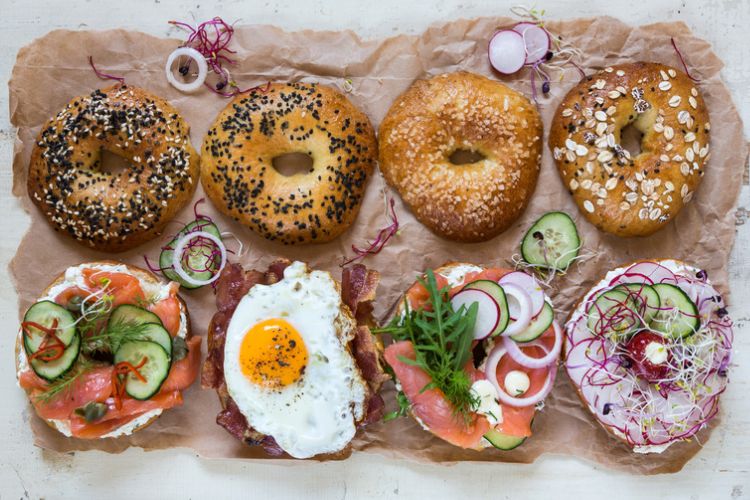
People are looking for an alternative to traditional bagels because they contain refined carbohydrates and high amounts of sugar. A low-carb bagel recipe allows people to enjoy the same flavor and texture as regular bagels but with fewer calories, less fat, and added nutrients. Plus, you can add your favorite toppings, like cream cheese, smoked salmon, onion rings, or any bagel seasoning, for a delicious yet healthier breakfast.

Keto Bagel Recipe with Coconut Flour

You are going to love these chewy keto bagels! This low-carb bagel recipe is nut-free, super easy, and nutritious. First and foremost, you’ll really appreciate the chewy texture of these keto bagels, just as if they were wheat-based bagels.

I’ve done a lot of experimenting with fathead dough, which is usually made of cheese, almond flour, and eggs. Given the high oil content of almond flour, it spreads widely during baking. This may explain why most keto bagels turn out flat and unformed.

Coconut flour, in my opinion, offers a lot more structure and stands up better. Additionally, it gives the bagels a real food-like chewiness. They also don’t taste at all like coconut!

keto bread recipes

Ingredients

  • ½ cup coconut flour
  • 2 tsp baking powder
  • ¾ tsp xanthan gum
  • 2 large eggs
  • 12 oz shredded mozzarella cheese

Directions

  1. Preheat the oven to 350°F and line a large baking sheet. Lightly dust with coconut flour.
  2. Whisk together the coconut flour, baking powder, and xanthan gum in a mixing bowl.
  3. In a large microwave-safe bowl, melt the cheese on high in 30 second increments until well melted and almost liquid. Stir in the flour mixture and the eggs and knead in the bowl using a rubber spatula.
  4. Pour the shredded mozzarella cheese into a microwave-safe bowl and melt it on high in 30 second increments until well melted and almost liquid.
  5. Blend the flour mixture and the eggs, and knead in the bowl using a rubber spatula.
  6. Place the dough on the prepared baking sheet and continue to knead together until cohesive.
  7. Cut the dough in half, then divide each half into 4 equal sections to create 8 equal pieces.
  8. Make an 8-inch-long log out of each piece. Pinch the log’s edges together.
  9. Combine the sesame seeds, poppy seeds, dried onion, and salt in a shallow bowl. Brush the top of each bagel with melted butter and then thoroughly coat with the everything bagel seasoning.
  10. Bake the bagels for 15 to 20 minutes, or until they have swelled and turned golden. 

Nutritional Value

1 Bagel contains: 190 calories; 12.3 g fat; 12.1 g protein; 5.5 g total carbs; 2.9 g net carbs.

Tips for Bagels Recipe

Mini Bagels

Roll the dough into small balls and then flatten them out with your hand.

Regular-Sized Bagels

You can use a donut pan or food processor to help form the dough. Place the bagels on a parchment paper-lined baking sheet and brush with an egg wash before baking.

Play with Flavors

You can customize your low carb bagels with a variety of flavors. For an onion bagel, simply mix in some dried onions or chopped scallions into the dough before shaping. For a cinnamon raisin version, add your desired amount of cinnamon and raisins to the almond flour mixture before forming the dough into balls. You can even make a smoked salmon version by mixing in some smoked salmon at the same time as adding the shredded mozzarella.

keto bagel

Storing Bagels

Store leftover keto bagels in an airtight container in the refrigerator for up to 5 days. Reheat them in the microwave or oven before serving so they’re nice and warm. You can also freeze the bagels; just make sure to wrap them tightly with plastic wrap or aluminum foil before freezing. When you’re ready to eat them, let the bagels thaw before reheating.

Making Low Carb Bagels is Easier than You Think

All you need are a few simple ingredients like coconut flour, mozzarella cheese, and butter. With just a few steps, you can have some delicious and nutritious homemade bagels in no time.

With the help of keto bread, you can enjoy a variety of delicious breakfast dishes. Try making breakfast sandwiches using your favorite cream cheese, avocado slices, and lox for a delicious protein-packed start to the day. Or make some homemade bagel chips by slicing up the low-carb bagels and baking them in the oven until crisp. Serve with a cream cheese dip for a satisfying snack or appetizer.