Recent Posts

Carbs and Calories In Meatloaf: Is Meatloaf Keto Friendly?


meatloaf calories

Meatloaf is one of those home cooked meals that’s perfect on a cold winter day.  Even better, it’s low in carbs!  If you’re following the Keto diet, meatloaf can certainly be on the menu.  A large slice has between 180 calories and 294 calories and only 4.5 grams of carbs. 

The carbs lie mainly in the bread crumbs.  Bread crumbs, soaked in milk, are usually added to meatloaf to moisten the texture of meatloaf and help bind the ingredients together.  

Meatloaf with breadcrumbs isn’t a good choice for a low-carb diet.  Keep your meatloaf Keto-friendly by substituting a small amount of coconut flour or almond flour in place of the breadcrumbs.   You can also replace the breadcrumbs with almond meal. Another way to add moisture to your loaf is to incorporate more sautéed veggies, like diced onions, peppers, and tomatoes. 

Although ground beef is typically used, you can make meatloaf with just about any type of meat, even lamb, veal, or venison.  The good news is all of the above meats contain zero grams of net carbs.

If you are using a tomato-based sauce or soup in your meatloaf recipe, choose a brand that is low in sugar to avoid the addition of unnecessary carbs.

How Many Carbs are in Meatloaf?

There are 4.5 grams of carbs in a 100 gram serving of meatloaf.

How Many Calories are in Meatloaf?

A 100 gram serving of meatloaf contains 149 calories.

What is Meatloaf?

Meatloaf is a dish of ground meat that has been mixed with other ingredients, like onions, peppers and tomatoes.  It is formed into the shape of a loaf, then baked inside a loaf pan.

A cousin to the Dutch meatball, Meatloaf is a traditional dish of the German, Scandinavian and Belgian regions.  

Origin

It is believed by some that meatloaf emerged in medieval Europe, around the 5th century, in a Mediterranean dish of finely chopped meat scraps combined with fruits, nuts and seasonings.  Much like the concept of Sheppard’s pie, meatloaf was invented as a way to stretch meat and use up left over vegetables. 

The first recorded recipe for the modern American meatloaf is from the late 1870s, which instructed the cook to finely chop “whatever cold meat you have on hand.” That meat was usually beef since New Englanders slaughtered their cattle before winter, as feeding the herd during the cold months would be more difficult.

Meatloaf was a way to use up leftover meat scraps from the previous meal. To the ground beef, they added onion, milk-soaked bread crumbs, egg, salt and pepper. The final shape is hand-formed on a flat pan or baked in a rectangular loaf pan.  A tomato-based sauce is typically added or cheese. Today, you’ll find these very ingredients and steps in many meatloaf recipes.

Ingredients

meatloaf keto

Meatloaf is typically made with ground beef, although ground lamb, pork, veal, or venison can also be used.  Other ingredients added include black pepper, salt, onion, garlic, milk-soaked bread crumbs, egg, bell pepper, diced tomatoes, or tomato soup.  The sauce is a tomato base. Add a squirt of ketchup to the tomato sauce and a squirt of Dijon mustard adds a little extra zip.

Most recipes suggest soaking breadcrumbs in milk and then incorporating them into your meat mixture. The milk-soaked bread crumbs provide moisture to bind the loaf and prevent it from drying out while baking.  Rolled oats may be used in place of bread crumbs and some recipes call for Corn Flakes as the binding ingredient. Many low carb meatloaf recipes favor almond meal or coconut flour instead of bread crumbs.

Nutrition Facts

Serving Size: 100 grams of Meatloaf
Calories 149
Total Fat 6 grams 9%
Saturated fat 2.3 grams 11%
Polyunsaturated fat 0.5 grams
Monounsaturated fat 3 grams
Cholesterol 46 milligrams 15%
Sodium 732 milligrams 30%
Potassium 394 milligrams 11%
Total Carbohydrate 4.5 grams 1%
Dietary fiber 0 grams 0%
Sugar 4.6 grams
Protein 17 grams 34%
Vitamin A 0% Vitamin C 0%
Calcium 5% Iron 6%
Vitamin D 8% Vitamin B-6 15%
Cobalamin 33% Magnesium 5%

Health Benefits 

Meatloaf is high in protein and a good source of healthy fats, both of which keep you feeling full for a long period of time.  It is also a good source of minerals such as Iron, cobalamin and magnesium.  Homemade meatloaf is high in monounsaturated fat, which is known to minimize unhealthy LDL cholesterol. 

Meatloaf is rich in B vitamins, Vitamin A and C, which are essential minerals needed for the body’s biological processes.  The vegetables that are incorporated in the recipe are rich in dietary fiber, which promote a healthy digestive system and lower blood sugar levels.

The spices used in making meatloaf, such as garlic, contain antioxidants to boost the body’s immunity.  Incorporating healthy ingredients into your loaf will make this meal more balanced and increase its nutritional value.

Making homemade meatloaf from scratch helps control the amount of fat and sodium, especially if lean meat is used and herbs and spices are used to season the meat mixture instead of salt.  However, some sodium is required by the body for optimal health.  Sodium plays a major role in regulating body fluids by the kidneys.  It also regulates nerve transmissions and muscle contractions.

Side Effects

Consuming excess sodium can lead to high blood pressure and edema.

Other side effects of ground meats, like beef are that they are easily exposed to contamination if not handled properly.   Because meat is highly perishable, if it is not stored properly and refrigerated or frozen, it can lead to food poisoning.

Meat is a high protein food. Eating excess protein and neglecting other food groups is not recommended.  Extreme high protein diets in can also lead to damage to kidneys, so it is best to enjoy ground beef and other protein sources in moderation and stick to the recommended 2 servings daily.

Meatloaf is also high in fat.  Beef is mainly composed of saturated and monounsaturated fats, which may have adverse effects on heart health.  It is best to use lean ground beef or ground turkey for a lower fat meatloaf that is more heart-healthy.

Sugar in Meatloaf

There are 4.6 grams of sugar in a 100 gram serving of meatloaf.

Fat in Meatloaf

Typically a 100 gram serving of meatloaf contains 6 grams of fat or more.  Depending on the fat content of the meat you’re using, meatloaf can be high in fat.

You can lower the fat content of your meatloaf by choosing lean ground beef or substitute in ground turkey or chicken.

meatloaf low carb

Protein in Meatloaf

A 100 gram serving of meatloaf contains 17 grams of protein.

Cheesy Stuffed Meatloaf Recipe – How to Make it Keto

Ingredients:

  • 2 pounds ground beef
  • 1 egg
  • 1/2 cup coconut flour
  • 1 small onion, minced
  • 1/2 green pepper, diced
  • 2 garlic cloves, pressed
  • 1/2 teaspoon pepper
  • 6 ounces of extra old cheddar cheese, cut into chunks
  • 1/2 cup salsa or canned diced tomatoes
  • 1/2 tablespoon garlic powder
  • 1/2 tablespoon onion powder
  • 1/2 tablespoon paprika
  • 1/4 teaspoon cumin
  • 1/2 teaspoon pink Himalayan sea salt

Instructions:

  1. Pre-heat oven to 350 degrees.  Combine all ingredients together in a large bowl, with the exception of the salsa and cheese.  Using your hands works best.
  2. Press half of the meatloaf mixture into the bottom of a loaf pan.
  3. Place the cheese chunks along the center of the loaf pan, leaving about an inch around the perimeter of the meatloaf.
  4. Cover the cheese layer with the rest of the meat mixture and press it down in the pan gently.
  5. Bake for 45 minutes.
  6. Top with heated salsa or canned diced tomatoes and enjoy!

Makes 6 servings.  Each serving contains 532 calories and 7.4 grams of carbs.

Turkey Meatloaf with Sun Dried Tomato Pesto

Ingredients:

  • 2 pounds ground turkey
  • 1 garlic clove, minced
  • 1 small onion, chopped
  • 1 celery stalk, chopped finely
  • 1/2 teaspoon pink Himalayan sea salt
  • 1 teaspoon ground pepper
  • 1/4 cup almond meal.
  • 1 egg
  • 2 tablespoons tomato ketchup
  • 1/4 cup low sugar Sun Dried Tomato Pesto
  • 1 cup mozzarella cheese

Instructions:

  1. Preheat oven to 400 degrees.
  2. Mix all ingredients together by hand, except cheese, in a large mixing bowl.
  3. Place the meat mixture into a loaf pan.
  4. Bake for 45 minutes.
  5. Top with Mozzarella and place back in the oven for a few more minutes, until the cheese is melted and bubbly.

Makes 6 servings.  Each serving contains 475 calories and 6.5 grams of carbs.

Carbs and Calories in Pretzels: Are Pretzels Keto Friendly?


Pretzels are a popular food that many people think of as a healthy snack.  Well, think again.  While it’s true that pretzels are a lower fat alternative to potato chips, they’re also packed with carbs because they’re so dense.  Unfortunately, pretzels do not make the approved foods list for the Keto diet. 

A one-ounce serving of hard pretzels fits inside your cupped hand.  However, most people consume much more than this amount, which is how the battle of the bulge arises. 

Because pretzels are so dry and bland, flavorings and dipping sauces are often used, which add extra carbs and calories as well.  Avoid purchasing the flavored variety, like cinnamon and sugar, chocolate-dipped or cheese stuffed.  Snacking on these types of pretzels can quickly have you soaring above your daily carb limit.

On the other hand, if you’re following a calorie reduction diet or a low fat plan instead of a low carb diet, plain hard pretzels can be enjoyed in moderation as part of a healthy diet.

How Many Carbs are in Pretzels?

There are 48 grams of carbs in a 60 gram serving of pretzels (about 10 pretzels).

A 100 gram serving of pretzels contains a staggering 80 grams of carbs!

How Many Calories are in Pretzels?

There are 380 calories in a 100 gram serving of pretzels.

A 60 gram serving of pretzels (about 10 pretzel twists) contains 228 calories.

History of Pretzels

Historically, the invention of pretzels is rooted in religion. It is believed that soft pretzels were first created by a monk around 610 in Italy when he folded strips of dough into a shape resembling a child crossing their arms in prayer.

In the year 1111, pretzels appeared in the crest of German bakers’ guilds and by the year 1185, an illustration of pretzels appeared in the Hortus Delicarum, an ancient encyclopedia.

In 1440, a picture of St. Bartholomew surrounded by pretzels appeared in a prayer book used by Catherine of Cleves.  Pretzels were considered a sign of good luck and spiritual wholeness. 

The three holes in the pretzel shape where thought to represent the Holy Trinity, inspiring their use on holidays like Christmas and New Year.  In the 16th century, children hung pretzels around their necks as a celebratory practice and pretzels were hung on Christmas trees as a decoration.  Parents hid pretzels on Easter for children to find – much like the Easter egg hunts we have today, only pretzels were hidden instead.

There is an old tale in which hard pretzels were invented when a baker fell asleep while his pretzels were baking over a fire. Contrary to popular belief, this is untrue.

It was Julius Sturgis who created the first pretzel bakery in Lititz, Pennsylvania in 1861 where hard pretzels were first produced for commercial use.  Because hard pretzels had a longer shelf life than soft pretzels did, it allowed them to be stored for longer in air-tight packaging and then exported to far away countries for sale or trade.

Nutrition Facts

Serving size:  10 Pretzel twists (60 grams) hard, salted.
Calories 228
Total Fat 1.6 grams 2%
Saturated fat 0.3 grams 1%
Polyunsaturated fat 0.6 grams
Monounsaturated fat 0.7 grams
Trans fat 0 grams
Cholesterol 0 milligrams 0%
Sodium 759.6 milligrams 31%
Potassium 81.6 milligrams 2%
Total Carbohydrate 48 grams 16%
Dietary fiber 1.8 grams 7%
Sugar 1.7 grams
Protein 6 grams 12%
Vitamin A 0% Vitamin C 0%
Calcium 1% Iron 17%
Vitamin D 0% Vitamin B-6 0%
Cobalamin 0% Magnesium 4%

Are Pretzels Healthy?

pretzels keto

Pretzels are practically devoid of nutritional value.  While they’re lower in calories and fat than potato chips, they not a very healthy snack.  Just one serving of pretzels contains a quarter of your daily recommended intake of sodium!

Excess sodium intake can cause water retention, which leads to bloating and puffiness.  Consuming too much sodium in the long term can lead to heart disease.

If you are trying to manage your weight, snacks that contain protein are more effective than carbohydrate-rich foods.  Protein can make you feel full for a longer period of time and helps stave off hunger.   Because pretzels are low in protein, you’re likely to feel hungry soon again soon after eating them.

Because plain pretzels are dry and bland, seasoned varieties that add flavorings are hitting the market.  Some are filled with cheese, while others may be chocolate-dipped or candy coated. Many are even served with dipping sauce, like icing or peanut butter.  These varieties usually contain extra sugar along with added calories, carbs, sodium and fat.

If you can’t go without pretzels, choose a whole grain brand or try “From the Ground Up” Cauliflower Pretzels, a new line from Halen Brands.  This company makes vegetable snack products that are quite tasty!

Try one of these lower carb snack options instead:

  1. Mixed nuts – A handful of nuts offers a variety of vitamins, minerals and phytonutrients.  Plus, they offer a good source of protein and fiber.
  2. Sunflower or pumpkin seeds are another low carb snack.  Choose varieties that are unsalted and dry roasted.
  3. Red bell pepper and cucumbers with hummus or guacamole. 
  4. Celery sticks or any type of low carb raw veggies with a dollop of low sugar ranch dip.
  5. Greek yogurt and mixed berries (blueberries, raspberries, blackberries or strawberries are fairly low carb).
  6. Apple slices with peanut butter. If you’re following low carb, cut your apple in half and share it with a friend.
  7. Cottage cheese sprinkled with flax seeds and a pinch of cinnamon.
  8. Celery sticks with cheese or peanut butter.
  9. Kale chips, radish chips, or cheese chips.
  10. A small square of dark chocolate.

Ingredients in Pretzels

Enriched Flour (Wheat Flour – enriched with Niacin, Reduced Iron, Thiamine Mononitrate, Riboflavin, and Folic Acid), Salt, Corn Syrup, Ammonium Bicarbonate, and Malt Extract.

To get their brown, shiny appearance, pretzels are sprayed with a solution that causes a chemical reaction while they’re baking.  This solution consists of about 2% sodium hydroxide (lye) or it may be made with sodium bicarbonate (baking soda).

Popular Brands

  • Rold Gold
  • Snyders
  • Snack Factory
  • Quinn
  • Bachman
  • Hershey Chocolate Dipped

Health Benefits

carbs in pretzels

Pretzels low in fat and protein.  While they’re lower in calories than other common snack foods like chips, they’re high in carbs.  However, one upside is that they contain some fiber and B vitamins. 

One ounce of hard pretzels contains 2 grams of fiber.  Fiber has been shown to improve gut health and relieve digestive symptoms like constipation.

People who snack on pretzels will also get a dose of thiamine, riboflavin and niacin since most wheat flour is enriched with these extra nutrients.  These nutrients help your body convert food into sugars that are used by the body for energy.

Side Effects

In the short term, consuming pretzels may cause symptoms of dehydration, increased thirst, and electrolyte imbalance. 

Eaten long term, pretzels may contribute to weight gain and high blood pressure.

Fiber in Pretzels

There are 2 grams of fiber in a one-ounce serving of pretzels (about a handful).

Sugar in Pretzels

There is 2 grams of sugar in a serving size of about 10 pretzel twists.

Pretzels have a glycemic load of 80, which means they are a high on the GI food index.  These foods are known to increase blood sugar rapidly.

A recent study compared the blood sugar levels of subjects who ate pretzels with subjects who snacked on mixed nuts.  It was found that the participants who consumed the pretzels had increased blood sugar after eating.  The group who consumed the nuts did not experience elevated blood sugar levels.

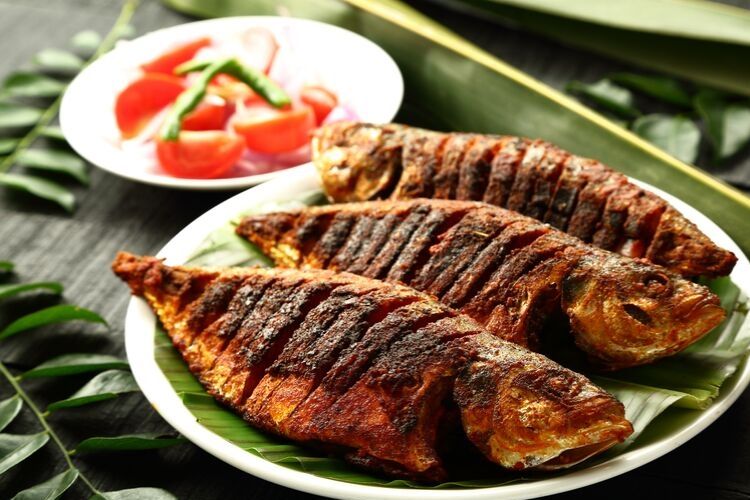
Carbs and Calories In Fried Fish: Is Fried Fish Keto Friendly?


fried fish is keto

Sprinkled with salt and doused in vinegar, an order of fish and chips can’t be beat.  However, it may not exactly be considered health food.  Although high in calories and fat, fried fish is actually quite nutritious.

Not only is fish tasty and easy to prepare, it’s also an excellent source of protein and omegas.  Most types of fish also contain omega-3 fatty acids, which are incredibly heart-healthy fats.

Even better, fish is low in carbs and fits in well with low carb diets, like Keto.  Pan frying fish with a light coating of almond flour or coconut flour is preferred over heavily breaded, deep fried fish.  But crispy, battered, deep-fried fish isn’t totally off limits.  You can still consume a fillet on the Keto diet as long as you factor it in to your daily carb count.

You should find it relatively easy to incorporate fish into your Keto meal plan prepared a number of different ways, including fried.  So go ahead and add fish to your diet today.

How Many Carbs are in Fried Fish?

A single fillet of deep-fried fish contains 350 to 500 calories, depending on the size. 

Add to that the full accoutrement of a full order of fish and chips; including tartar sauce at 150 calories per tablespoon, French fries at 250 calories, coleslaw 150 calories per half-cup…  A full order of fish and chips can run upwards of 1000 calories!

If you’re following a calorie-reduction diet plan, you may wish to consume the fish and only a few of the fries to keep the calorie count of your meal reasonable.  Or pair your fish with a salad instead.

How Many Calories are in Fried Fish?

One battered, fried fish fillet contains 15.4 grams of carbs.

One pan fried fish fillet lightly rolled in a tablespoon of flour contains only 6 grams of carbs. Pan frying significantly reduces the calories, too.

Nutrition Facts

Serving Size: 1 Deep Fried Fish Fillet  
Calories 260
Total Fat 16 grams
Saturated Fat 4 grams
Trans Fat 4 grams
Cholesterol 35 milligrams
Sodium 790 milligrams
Potassium 0 milligrams
Total Carbohydrate 17 grams
Dietary Fiber 0 grams
Sugars 0 grams
Protein 12 grams
Vitamin A          2% DRV
Vitamin C 8% DRV
Calcium 2% DRV
Iron 4% DRV

Health Benefits

calories in fried fish

Overview

A fillet of fried fish provides vitamin C, vitamins B6 and B12.  Just one four-ounce fillet of fish can contain 100% of your daily recommended value of vitamin D, an important nutrient that most people are lacking!  You’ll also get a healthy dose of iron, calcium, iodine, and zinc.  Additionally, fish provides omega-3 fatty acids, along with high-quality protein and some fiber.

Rich in Vitamin D

Fish is chock full of nutrients, like protein and vitamin D.  Vitamin D is an important nutrient, of which almost half the population is deficient.  Fish is one of the best sources of vitamin D and contains more of this vitamin than most other foods.

Excellent Source of Omega-3 Fatty Acids

Fatty types of fish, like salmon, trout, sardines, tuna, and mackerel, are higher in fat-based nutrients and very nutritious because of their omega-3 fatty acids.

Supports Brain Function

Omega-3 fatty acids reduce the risk of disease and support brain function.  Some studies conclude that omega-3 fatty acids that are abundant in fish might even fight depression.  People who consume fish regularly were much less likely to become depressed. 

It can also slow brain decline while aging.  Other studies determined that people who consume fish regularly have slower rates of mental decline. 

Prevents Heart Disease

Unsaturated fat, like the type in fish is actually good for your heart.  In fact, fish is one of the most heart-healthy foods you can eat!  Studies show eating a few servings of fish each week can lower your risk of heart disease by around 15% thanks to the heart-healthy omegas.  These healthy fats can help reduce the risk of heart attacks and stroke. 

Reduces the Risk of Chronic Diseases

Eating fish regularly is also linked to a reduced risk of diabetes.

Studies show that regular fish consumption is linked to a 24% lower risk of asthma in children, but no significant effect has been found in adults.

Another study found that eating fish once per week was linked to a decreased risk of age-related macular degeneration.

Side Effects

carbs in fried fish

Although fish is good for you, it loses much of its nutritional benefits after it’s deep-fried. The frying process destroys most of the omega-3 fatty acids in fish, arguably the most nutritious part of the fish.  In fact, one study determined that frying a serving of tuna reduced the fatty acids in the fish by 75%.

The unsaturated fats in fish, such as salmon, actually have health benefits.  However, if you fry your fish at high temperatures, the frying process can destroy the omega-3 fatty acids. If you use an unhealthy oil (saturated trans fat) it could contribute to high cholesterol and increased risk of heart disease.

If you use a healthy oil for frying like olive, canola or coconut oils and don’t turn the heat up too high, you can preserve more of these essential fatty acids in your fish fillet.  If using extra virgin olive oil, keep the heat lower to prevent the healthy properties in the oil from breaking down at a high smoke point.

The American Heart Association recommends consuming non-fried fish or shellfish at 5.5 ounces a day and up to 8 ounces of fish each week.

Crispy Low Carb Deep-Fried Fish Recipe – Make it Keto!

Ingredients:

  • 2 pounds haddock
  • 1/2 teaspoon pink Himalayan sea salt
  • 1/4 cup coconut flour
  • 1/4 cup almond flour
  • 2 teaspoons Baking Powder
  • Peanut oil (for deep frying) or oil of choice.  
  • 2 large Eggs
  • 1/3 cup carbonated water (the carbonation makes it crispier)
  • 1 Lemon, cut into wedges for garnish.

 Instructions:

  1. Slice the fish into equal sized fillets and sprinkle with sea salt.
  2. In a large bowl, whisk together another pinch of salt, flour, and baking powder.
  3. Incorporate both eggs and slowly pour in sparkling water, little by little while continuing to whisk.
  4. Heat oil in a pot or deep fryer.  Adding each piece one at a time, careful not to overcrowd the fish.  Overcrowding reduces the heat of the oil, and makes your fish soggy.  Make sure your oil stays nice and hot to keep the fish crispy.
  5. Gently flip the fish over and cook until golden brown, it should take about 5-7 minutes.
  6. Drain the fish in the fryer basket before placing onto a cooling rack. Lay the pieces of fish on rack and pat off the excess grease with paper towel.
  7. Repeat this process with the rest of the fillets if you need to fry in batches.
  8. Enjoy with a squirt of fresh lemon. 

Each serving contains 400 calories, 6 grams of carbs, 33 grams of protein and 28 grams of fat.

Healthiest Oil to Use to Fry Fish

Extra virgin olive oil is fine to use when pan-frying fish because it has a high smoke point and it’s a heart-healthy unsaturated fat.  

Other good oils for deep frying include sunflower, coconut, safflower, canola and peanut oils.

Healthiest Ways to Cook Fish

  • Fry your fish in an air fryer to use less oil. You’ll get that same crispy fried taste and texture, but with a lot less fat.
  • Avoid eating fish too often that is heavily salted, breaded or deep-fried.
  • Steam your fish instead. Steaming fish keeps it moist, without adding extra fat.
  • Poaching keeps fish firm.
  • Broiling is makes fish flavorful and it’s a great low fat method.
  • Grilling is another great way to prepare fish in a healthier way.
  • Baking in the oven with dill and lemon makes a tasty fish dinner.

Carbs and Calories In Coconut Milk: Is Coconut Milk Keto Friendly?


Coconut milk is a dream beverage for anyone who’s following a low carb diet. It is delicious added to smoothies or recipes.

coconut milk is low carb

Coconut is a very keto-friendly food, whether you eat the fruit, drink the milk or incorporate its oil into your cooking and baking.  Both coconut pulp and milk are high in fat, which helps keep you feeling full for longer periods of time.

Coconut creamer is another great Keto-friendly option and is a low carb way to lighten your coffee. 

Coconut oil is an ingredient in many popular Keto dessert recipes, like “energy balls” and “Keto fat bombs”.

Rest assured, you can enjoy coconut-based products while on a Keto diet. So pour yourself a cold glass of coconut milk, and keep reading to find out all the benefits mother nature’s milk has to offer!

How Many Carbs are in Coconut Milk?

A half cup (100 gram serving) of coconut milk contains 6 grams of carbs.

How Many Calories are in Coconut Milk?

There are 230 calories in a half cup of coconut milk (100 gram serving).

Nutrition Facts

Serving Size:  100 grams of Coconut Milk (1/2 cup)
Calories 230
Total Fat 24 grams 36%
Saturated fat 21 grams 104%
Polyunsaturated fat 0.3 grams
Monounsaturated fat 1 grams
Cholesterol 0 milligrams 0%
Sodium 15 milligrams 0%
Potassium 263 milligrams 7%
Total Carbohydrate 6 grams 2%
Dietary fiber 2.2 grams 8%
Sugar 3.3 grams
Protein 2.3 g 4%
Vitamin A 0% Vitamin C 4%
Calcium 1% Iron 8%
Vitamin D 0% Vitamin B-6 0%
Cobalamin 0% Magnesium 9%

Popular Brands of Coconut Milk

  • Silk (unsweetened)
  • So Delicious (unsweetened)
  • Native Forrest (canned, organic)
  • Trader Joe’s (canned, organic)
  • Natural Value (canned, organic)
  • Coconut Dream
  • Aroy-D (canned)
  • Goya (canned)
  • Thai Kitchen (canned)
  • Roland Classic (canned)

Coconut Milk Price

The price of coconut milk varies by brand, but you can usually pick up a can of raw coconut milk or a carton of coconut milk beverage for around $2 to $5 US dollars.

Health Benefits 

Contains Essential Vitamins and Minerals

Coconut milk is rich with the following nutrients:

  • 41 milligrams of calcium
  • 497 milligrams of potassium
  • 104 milligrams of magnesium
  • 7.46 milligrams of iron
  • 2.30 milligrams of vitamin C
  • Some coconut milk beverages are also fortified with vitamins A, B-12, and D2.

Positive Effects on HDL Cholesterol

coconut milk is low carb in glasses

There is little research on the effects of coconut milk on cholesterol levels. However, quite a few studies have explored the effects of coconut oil on health, a main ingredient in coconut milk.

One study found that coconut oil did not significantly increase levels of unhealthy LDL cholesterol, but it increased levels of healthy HDL cholesterol in the body.

HDL cholesterol is the “good” type of cholesterol that protects the heart and removes the “bad” LDL cholesterol from the blood, so that the unhealthy LDL cholesterol can be broken down and eliminated by the liver.

Coconut oil is higher in fat than coconut milk, and therefore has less of an effect on cholesterol levels.

Boosts Immune System

Coconut contains a lipid called lauric acid that is believed to support the immune system.  Studies show that lauric acid has antimicrobial and anti-inflammatory properties.  In fact, it has even been shown to inhibit the growth of Staphylococcus aureus, Streptococcus pneumoniae, and Mycobacterium tuberculosis.  Studies indicate that lauric acid may even have the ability to inhibit cancer cell growth.

Uses

There are many uses for coconut milk in the culinary world.  It can be added to soups for a creamy base.  Use it to make smoothies, baked goods, and ice cream.  It is also used in non-diary cheeses and to marinate or batter meat, fish and tofu.

But the uses don’t end there….  Coconut milk is not just for consuming.  You can also apply it to the hair and skin for amazing results.

For Hair: 

Because coconut milk is a full of protein, minerals, and other essential nutrients, it makes a fantastic remedy to stop hair fall, prevent baldness and boost hair growth.

The lauric acid contained in coconut milk is a natural antiseptic that will reduce dandruff, scalp infections and soothe dry, itchy scalp.  Coconut milk has the ability to moisturize the hair, making it softer and smoother.   Coconut milk and oil can be used as a natural conditioner.  In fact, many commercial hair conditioners add coconut milk and oil to their products.  Due to the fatty acid profile of coconut milk, it has excellent moisturizing properties that restore damaged hair from root to tip.

For Skin:

The fatty acids in coconut milk or coconut oil can be used as a makeup remover or as skin moisturizer.   The high vitamin C and E content in coconut milk can help nourish skin and improve the elasticity of the dermis.  Applying coconut milk on your face can improve your complexion and reduce the appearance of fine lines and wrinkles.

Side Effects

Coconut milk and coconut-based products are high in fat and calories; therefore they should be consumed in moderation as part of a healthy diet.

Coconut milk contains fermentable carbohydrates, which may cause digestive issues, like diarrhea or constipation, in people with irritable bowel syndrome (IBS).

Some health professionals do not consider coconut milk to be heart-healthy, because of its high fat content.  Research has linked diets high fat diets with high cholesterol and an increased risk of heart disease.

Fiber in Coconut Milk

There are 2.2 grams of fiber in a half cup (100 gram serving) of coconut milk.

Sugar in Coconut Milk

There are 3.3 grams of sugar in a half cup (100 gram serving) of coconut milk.

Coconut Milk Recipe

 Ingredients:

  • 2 cups shredded unsweetened coconut
  • 3 ½ cups water
  • 1/2 teaspoon vanilla extract (optional for flavouring) or the innards of 1 vanilla bean
  • 2 tablespoons cocoa or cacao powder ” (optional, for chocolate milk)
  • 1/3 teaspoon salt
  • 1 date (optional, for sweetness)

Instructions:

  1. Add all ingredients to the blender or food processor.
  2. Pour the mixture over a large mixing bowl or pitcher covered with a nut milk bag or cheese cloth to strain the milk. (Save the pulp to use in baked goods, smoothies, or energy bars).
  3. Transfer the coconut milk to a sterilized container, seal and refrigerate. Will keep in the refrigerator up to 7 days.  (Shake before use, as it can separate in the refrigerator due to the absence of preservatives.)

Related Questions:

keto coconut milk fresh

Is Coconut a Fruit or a Nut?

The botanical definition of coconut is a fibrous one-seeded drupe, also known as a dry drupe.  A drupe is a fruit with a hard stony shell enclosing the seed (similar to a peach or olive).  Loosely defined, the coconut can be considered a fruit, a nut, and a seed.

What Type of Coconut Milk Should I Buy?

Canned coconut milk usually is thicker, like cream. It is higher in fat, and typically used in cooking or baking.

Coconut milk beverages tend to be thinner with a milkier consistency. Coconut milk beverages should be stored in the refrigerator.  This type is typically lower in calories and fat than canned, but it can have added sugar, so choose the unsweetened variety.

It is generally best to buy coconut milk beverages with the fewest ingredients.  Be wary of brands that have added sugars, preservatives, and artificial thickeners.

Is Coconut Creamer Keto-Friendly?

Coconut oil, MCT oil and ghee are the main ingredients in coconut creamer, which means it is free of carbs and sugar.  Not only is this creamer keto-friendly, it’s also dairy-free and vegetarian, too!

Is Coconut Milk Good for Weight Loss?

Researchers have linked coconut milk with weight loss because of the medium-chain triglycerides (MCT) contained in coconut milk.  MCTs stimulate energy through heat production – a process called thermogenesis.  For this reason, MCTs work to reduce body weight and waist circumference.   

Coconut milk may also equalize the unstable gut microbiota that contributes to obesity.

A study conducted in 2015 on overweight men found that consuming MCTs, like coconut milk, in the morning led to subjects consume less calories throughout the day.

Another study in 2018 indicated that MCTs may improve blood sugar levels, which many researchers believe helps with weight loss.

Carbs and Calories in Egg Salad: Is Egg Salad Keto Friendly?


Both boiled eggs and mayonnaise are low in carbs; therefore egg salad is a very Keto-friendly food.  What’s more, eggs are touted as one of the healthiest foods you can eat.  So go ahead and enjoy your favorite egg salad recipe without guilt while on the Ketogenic diet. 

egg salad keto in bowl

At only 2 grams of net carbs per half cup serving, egg salad is a great option for low carb diets.  Liven up egg salad by adding in your favorite low-carb raw veggies, like diced celery, bell pepper or green onion.  Adding veggies not only boost nutrients, but it adds flavour as well as a little crunch.

However, you might want to skip the bread in that egg salad sandwich if you’re following the Keto diet and make lettuce wraps out of your egg salad instead. 

How Many Carbs are in Egg Salad?

A half cup of egg salad contains 2 grams of carbs.

An egg salad sandwich made with a half cup of egg salad and two slices of whole grain bread contains 28 grams of carbs.

How Many Calories are in Egg Salad?

A half cup of egg salad contains 111 calories or 90 calories if made with low-calorie mayonnaise.

A full cup of egg salad contains 223 calories or 183 calories if made with low-calorie mayonnaise.

An egg salad sandwich made with a half cup of egg salad and two slices of whole grain bread contains 249 calories.

Nutrition Facts

Egg Salad Serving Size: ½ cup (4 ounces)
Calories 223
Total Fat 12 grams
Saturated Fat 2 grams
Cholesterol 290 milligrams
Sodium 453 milligrams
Total Carbohydrate 2.10 grams
Dietary Fiber 0.5 grams
Sugars 4.6 grams
Protein 9.9 grams
Trans fat 0.05 grams
Calcium 52 grams
Iron 1.55 grams

Health Benefits 

A large boiled egg contains 78 calories and a number of essential nutrients, like lutein and zeaxanthin, two antioxidants that support healthy eyesight.  Eggs are also rich in vitamin D which builds strong bones and supports immune function. 

egg salad carbs

The choline found in eggs is known to improve metabolism, along with the healthy dose of potassium found in the mayonnaise.

Since eggs are a low-calorie, high protein food, they may support weight loss if a person incorporates them into a healthy diet. One large egg provides approximately 6 grams of protein.

Research studies suggest that eggs boost metabolic activity and increase feelings of satiety. Eating eggs for breakfast may stop a person from consuming extra calories throughout the day.

Studies have also shown that the vitamin E content in mayonnaise can help prevent strokes because the healthy fat can help your body better absorb nutrients.  This makes sense because many vitamins and minerals like vitamins A, D, E and K are all fat-soluble. 

The healthy fat and omega-3 fatty acids found in mayo is great for keeping your heart healthy.  Healthy fats lower cholesterol. 

Mayonnaise is also rich in vitamin K, E and choline.  This condiment also contains minerals like potassium and selenium.  Selenium is used by your body to fight the aging process and assists the immune system by reducing free radical damage.

How to Make Egg Salad Healthier

Try the following suggestions for a lower calorie egg salad:

  • Only use half the yolks – Every 2 yolks you omit reduces each serving by 20 calories and 1 gram of fat.  You’ll also lower your cholesterol intake.
  • Swap out half the mayo for non-fat Greek yogurt.  Low fat sour cream works well too, especially if you like your salad to have a little tanginess.
  • Add raw veggies like celery, grated carrot, pickles, and green onion to bump up the nutrient quotient of your egg salad.
  • Skip the bread – Make a wrap using Romaine lettuce leaves instead, or use egg salad to stuff a pepper.
  • Pile egg salad on top of celery for a quick low carb snack.
  • Enjoy egg salad on top of a garden salad instead of in a sandwich.
  • Make a sandwich with low carb bread made with coconut flour or almond flour.

Side Effects

Eggs are a source of saturated fat and too much saturated fat has been shown to raise total cholesterol and LDL (bad) cholesterol levels, risk factors for cardiovascular disease.

Individuals with high LDL cholesterol levels or those at risk of cardiovascular disease should consume the whites only and monitor their cholesterol intake carefully.

Keto Deviled Egg Salad Wraps Recipe

 Ingredients:

  • 6 hard-boiled eggs
  • 1 celery stalk, diced
  • 1 or 2 stalks of green onion, diced
  • ⅓ cup mayonnaise
  • 2 tablespoon dill pickle relish (resist using sweet relish as it contains more carbs)
  • 1 tablespoon mustard
  • ½ teaspoon white vinegar
  • ½ teaspoon smoked paprika
  • ½ teaspoon cracked black pepper
  • ¼ teaspoon pink Himalayan sea salt
  • 6 leaves of Romaine lettuce

Instructions:

  1. Boil eggs for exactly 11 minutes and peel.  Chop the boiled eggs.
  2. Add the mayonnaise, green onion, celery, relish, mustard, vinegar, paprika, salt, and pepper to the yolks and mix together until combined.
  3. Serve with lettuce leafs to make wraps or enjoy on its own with a side salad.

Related Questions:

egg salad calories

How Much Sugar is in Egg Salad?

There are 4.6 grams of sugar in a ½ cup of egg salad.

Can Eating Eggs Help you to Lose Weight?

Not only do eggs provide many health benefits, research suggests that eating eggs regularly can also support weight loss.

Because eggs are rich in protein and low in calories, they make a great food option for folks who are watching their weight.  Protein assists in weight loss because it helps you feel fuller for longer periods of time.   The simplest way to lose weight is to curb the intake of calories, and since eggs are less than 100 calories each, they can help you lose weight. 

Studies show that a protein-rich breakfast including eggs helps individuals to eat less throughout the rest of the day.  But eggs aren’t just for breakfast, they can be eaten for lunch or dinner as well.  A meal consisting of two hard-boiled eggs and a cup of mixed vegetables contains only 274 calories.  Add a few tablespoons of mayonnaise (healthy fat), and you not only have yourself a delicious egg salad, but you’ve got a complete meal.

It is important to note that frying eggs in oils or butter increases the caloric and fat content. A tablespoon of olive oil 119 calories.  Hard-boiled is a great way to prepare eggs without using fat.

Eggs have also been found to boost the metabolism.  A study conducted in 2012, suggests that diets rich in protein help treat obesity and metabolic syndrome, essentially because it makes people feel fuller for longer periods of time.

Eating eggs and other protein rich foods may help folks burn more calories than they would if they ate high carb or high fat foods.

A 2005 study compared the effects of overweight women who ate eggs for breakfast and those who had a bagel for breakfast.  The results determined those who ate eggs lost more weight as compared with participants who ate the carbohydrate-rich breakfast.

Another study conducted in 2008 reported that a breakfast consisting of eggs enhanced weight loss in overweight or obese participants, but only if eaten as part of a calorie-controlled diet.  Although the calorie counts in both breakfasts were equal, the participants who ate eggs for breakfast consumed less calories throughout the rest of the day.  A further study from 2010 reported the same results in adult men.

In 2013, another research study was conducted on adult male participants who ate eggs for breakfast.  In this study, 30 healthy men were randomly assigned to eat one of the following equal-calorie breakfasts:  eggs with toast, cornflakes with milk along with toast, or a buttery croissant with orange juice. 

Subjects who ate the egg-based breakfast reported feeling more satiated and less hungry than the other groups.  They also had less desire to eat after their egg-based breakfast than the other participants and consumed less for lunch and dinner.

Carbs and Calories in Dark Chocolate: Is Dark Chocolate Keto Friendly?


dark chocolate keto

Good news.  You can still have your chocolate and eat it too!  Surprisingly, you don’t have to give up chocolate if you’re following a Ketogenic diet. However, it’s important that you choose dark chocolate that contains at least 70% cocoa solids, or more.  Milk chocolate has less cocoa and more sugar, so that should be avoided while following low carb diets, like Keto.

Dark chocolate brands with a high cocoa content (70-85%) have less sugar, and most of the calories come from fat – which is perfect for Keto!

Savoring a small square of dark chocolate can reduce cravings for more sugary, carb dense sweets.  Not only that, but dark chocolate is truly a powerful superfood with many important health benefits! 

So go ahead and break yourself off a piece of delicious dark chocolate.

How Many Carbs are in Dark Chocolate?

One ounce (28 grams) of unsweetened chocolate made from100 % cocoa contains only 3 grams of net carbs.

One ounce of unsweetened chocolate made from 70-80% cocoa contains 10 grams of net carbs, depending on the brand.

How Many Calories are in Dark Chocolate?

A 1-ounce piece of dark chocolate made from 70-80% cocoa provides 155 calories.

Nutrition Facts

Serving Size:  1 ounce Dark Chocolate
Calories 155
Total Fat 9 grams 13%
Saturated fat 5 grams 25%
Polyunsaturated fat 0.3 grams
Monounsaturated fat 2.7 grams
Trans fat 0 grams
Cholesterol 2.3 milligrams 0%
Sodium 6.8 milligrams 0%
Potassium 158.5 milligrams 4%
Dietary fiber 2 grams 8%
Sugar 14 grams
Protein 1.4 grams 2%
Caffeine 12.2 milligrams
Vitamin A 0% Vitamin C 0%
Calcium 1% Iron 12%
Vitamin D 0% Vitamin B-6 0%
Cobalamin 1% Magnesium 10%

Health Benefits 

calories in dark chocolate

Rich in Antioxidants

Dark chocolate is an excellent source of many powerful antioxidants.  In fact, cocoa has been called a superfood because it provides at least as much antioxidant activity as most fruits, even that of blueberries and acai berries.

The flavanols contained in dark chocolate reduce the risk of heart disease by lowering blood pressure and preventing hardening of the arteries.

Improves Cholesterol Levels

Dark chocolate can lower blood pressure, raise healthy HDL cholesterol levels and protect against the oxidation of unhealthy LDL cholesterol. 

Prevents Diseases

Studies show that people who consume dark chocolate regularly reduce their risk of heart disease by over 50%.
 
The cocoa in dark chocolate has been shown to improve insulin sensitivity in people who have diabetes.  Dark chocolate consumed in moderation may even prevent the onset of diabetes in pre-diabetic individuals.

Helps Fight Depression

Dark chocolates can improve your mood by stimulating the production of endorphins, a chemical in the brain’s reward system associated with feelings of pleasure.  Dark chocolate also contains serotonin, another chemical in the brain that acts as an anti-depressant and improves mood.

Improves Brain Function

Cocoa is also known to improve cognitive function in elderly people with mental impairments, like dementia.  It may improve verbal fluency and several risk factors for diseases like Alzheimer’s as well.

It is believed that the stimulant substances, caffeine and theobromine, are the reasons behind the positive effect on brain function and alertness.

Just a small piece of dark chocolate provides many important nutrients and minerals, many of which provide a good percentage of your recommended daily intake (RDI).

A 100 gram bar of dark chocolate provides:

  • 67% of the RDI for iron
  • 89% of the RDI for copper
  • 98% of the RDI for manganese
  • 58% of the RDI for magnesium
  • A good source of potassium, phosphorus, zinc and selenium.

Benefits for Skin

Like I mentioned before, dark chocolate is a powerhouse of antioxidants.  These potent nutrients have the ability to fight the effects of free radicals and detoxifies the skin.  They also protect against UV damage.    

Additionally, the consumption of dark chocolate regularly can improve the hydration of your skin.  The caffeine in dark chocolate sloughs off dead skin cells so that new fresh skin can shine through. 

Eating dark chocolate will make your complexion look more youthful and glowing because it reduces the stress hormones that can take a toll on your skin.

Side Effects

how many carbs in dark chocolate

Eating dark chocolate made from cocoa is safe for most people.

Because cocoa contains caffeine, eating large amounts can contribute to increased urination, migraines, sleeplessness, and a rapid heartbeat.

Cocoa may trigger allergic skin reactions, constipation, and migraines in sensitive individuals. It can also cause digestive upset, including nausea, bloating, and gas.

Applying cocoa butter to the skin is also generally safe, however, it can cause a rash if you have sensitive skin.

Consuming cocoa in larger amounts while pregnant may be unsafe because of the caffeine content, which crosses the placenta.  Health experts advise keeping caffeine consumption below 300 mg per day during pregnancy. 

The caffeine consumed in large amounts of cocoa might also worsen the symptoms of anxiety disorders by increasing feelings of nervousness.

Excess consumption of cocoa can increase the risk of bleeding and bruising in people with bleeding disorders like Hemophilia.  For this reason, you should not consume cocoa at least 2 weeks before a scheduled surgery.

Large amounts of caffeine can also cause irregular heartbeat in some people, so people with heart conditions should consume it in strict moderation.

Depending on the sugar content, chocolate can raise blood sugar levels in people with diabetes.

Large amounts of caffeine can cause diarrhea and worsen symptoms of irritable bowel syndrome in IBS sufferers.

Fiber in Dark Chocolate

A 100-gram bar of dark chocolate with 70–85% cocoa contains 11 grams of fiber.

Sugar in Dark Chocolate

There are 7 grams of sugar in a 1oz bar of 75% dark chocolate.

Related Questions:

Is Dark Chocolate Good for Weight Loss?

Yes!  Dark chocolate can help you lose weight because of its ability to stabilize blood sugar, control appetite, and fight cravings.  

A small piece of dark chocolate eaten 20 minutes before a meal triggers the hormones in the brain related to satiety, ultimately reducing the amount of food you eat afterward.
Enjoying another small square of dark chocolate in place of dessert can help stop snacking after dinner and reduce night-time cravings.

Can Dark Chocolate Improve Longevity?

Did you know that the oldest living woman in Europe reported the key to her long life was eating dark chocolate every single day?  Italian born, Giuseppina Projetto, who sadly passed away in 2018, lived to the ripe old age of 116. 

But Projetto wasn’t the only Centenarian who praised the longevity benefits of dark chocolate.  Masazo Nonaka who is currently the world’s oldest man, claims his secret to longevity was allowing himself to enjoy all kinds of sweets, including chocolate.

Studies show, these wise souls may have been on to something.  The antioxidants in cocoa may be attributed to a longer lifespan.  These antioxidants ward off the free radicals in your body, thereby decreasing oxidative damage to cells and reducing your risk of cancer and other diseases.

What are the Best Dark Chocolate Brands to Buy?