Recent Posts

Carbs and Calories in Green Beans: Are Green Beans Keto Friendly?


are green beans keto

Green beans get the green light as a Keto approved food.  While most types of beans are off limits on Keto, green beans are much lower in carbs than other varieties, like kidney beans or pinto beans.  

Green lima beans and green string beans are not considered part of the beans and peas subgroup. Green beans are similar to vegetables and grouped in with them instead. So don’t be afraid to fill up on this versatile, low carb veggie if you’re following the Keto diet.

One cup of green beans contains only 10 grams of carbs, 4 of which are fiber, bringing the total net carbs down to only 6 grams of carbs for a whole cup.

Steamed green beans make a great addition to any meal, soup, stew or casserole. They make a tasty side dish.  I love them sautéed with garlic, olive oil and toasted sesame seeds.

Keep reading to find out more about green beans and the tastiest ways to incorporate them into your low carb lifestyle.

How Many Carbs are in Green Beans?

There are 7 grams of carbs in a 100 gram serving of green beans.

How Many Calories are in Green Beans?

There are 31 calories in a 100 gram serving of green beans.

Nutrition Facts

Serving Size:  100 grams of Green Beans
Calories 31
Total Fat 0.1 grams 0%
Saturated fat 0 grams 0%
Polyunsaturated fat 0.1 grams
Monounsaturated fat 0 grams
Cholesterol 0 milligrams 0%
Sodium 6 milligrams 0%
Potassium 209 milligrams 5%
Total Carbohydrate 7 grams 2%
Dietary fiber 3.4 grams 13%
Protein 1.8 grams 3%
Vitamin A 2% Vitamin C 27%
Calcium 3% Iron 5%
Vitamin D 0% Vitamin B-6 5%
Cobalamin 0% Magnesium 6%

Health Benefits

Overview

Not only are green beans low in calories and fat, they’re also cholesterol-free and a significant source of protein.  Green beans provide the body with many nutrients, like vitamin C, fiber, folate, and vitamin K.  They’re also rich in a variety of essential minerals, such as calcium, silicon, iron, manganese, potassium, and copper.

Green beans are a high fiber food.  The fiber content of green beans supports digestion and promotes healthy bowel movements.  Moreover, eating a fiber-rich diet may reduce the risk of colon cancer.

Antioxidants to Fight Diseases

The various immune system-boosting antioxidants in green beans protect dangerous free radicals that cause cell damage.

calories in green beans

Due to their high levels of flavonoids, green beans may help reduce the risk of heart disease.  These antioxidants contain anti-inflammatory properties.  Flavonoids also help prevent blood clots in the arteries.  These flavonoids contain antioxidants like quercetin, kaempferol, catechin and epicatechin.  Catechin has been associated with reducing the severity of strokes.

Green beans are also a good source of carotenoids, antioxidants like beta carotene and lutein.

Studies show that consuming green bean regularly may be beneficial for preventing colon cancer.   

Chlorophyll is a green photosynthetic pigment found in plants in green beans may also be beneficial in cancer prevention.  Studies show that a compound in chlorophyll may be instrumental in cancer prevention.

Improved Eye Sight

The carotenoids in green beans also have the potential to prevent macular degeneration, an eye disorder related to aging.  Lutein and zeaxanthin play a key role in preventing vision deterioration.

Improves Bone Health

Green beans are a good source of vitamin K, an important vitamin for keeping the bones health.  The calcium in green beans prevents bone loss.

Silicon is a rare mineral not found in many foods.  Green beans are an excellent source of silicon.  This mineral helps bone regeneration and overall bone health.

Regulates Diabetes

Green beans are one of the vegetables known to have a positive effect on blood sugar and a hypoglycemic influence on diabetic individuals.   For this reason, green beans are a natural regulator of diabetes.  Green beans may help control and prevent diabetes.

Supports Digestion

Green beans are loaded with fiber which helps support the digestive system.  Eating a diet rich in fiber improves digestive issues, such as constipation, hemorrhoids, ulcers, and heartburn.

Assists Pregnancy and Improves Fertility

Green beans contain a significant amount of folic acid, a mineral that protects infants in the womb. Folic acid is crucial for healthy development of the fetus and preventing birth defects. 

Side Effects

Green beans are safe to eat and not known to cause any adverse effects on health. 

Green beans contain oxalates – substances found naturally in plants that may hamper the absorption of calcium. These oxalates could lead to health problems in individuals with kidney and gall bladder disorders.

Fiber in Green Beans

There are 3.4 grams of fiber in a 100 gram serving of green beans.

Sugar in Green Beans

A 100 gram serving of green beans contains 3.3 grams of sugar.

Roasted Green Beans with Bacon and Herbs Recipe – Make it Keto!

Ingredients:

  • 1 pound green beans, washed and ends trimmed
  • 6 strips of bacon, cooked & crumbled
  • 1 tablespoon olive oil
  • 1 teaspoon smoked paprika
  • 1/4 cup chopped parsley
  • 1 clove garlic, minced
  • Pink Himalayan sea salt and fresh ground pepper to taste

Instructions:

  1. Boil water in a large pot and pre-steam green beans for 3 minutes until tender crisp.
  2. Fry bacon to a frying pan until crisp and fully-cooked.
  3. Stir in garlic with the bacon and seasonings until garlic begins to brown and then remove from heat.
  4. Drain green beans and add all the ingredients into a bowl, mixing to combine.
  5. Serve as a side dish alongside a serving of protein, like chicken breast or beef.

Makes 4 servings containing 63 calories and 7.4 grams of carbs per serving.

How to Steam Green Beans

carbs in green beans

Steaming green beans is a simple way to prepare them and it also retains many of the nutrients that can be lost through boiling.  Steam green beans using the following 3 easy steps:

  1. Fill a medium pot with 1/2 inch of water, cover the pot, and bring the water to a boil.
  2. Add green beans to the pot, cover, and steam until tender. 
  3. The beans should still have a slight bite to them.  Do not overcook to ensure the beans aren’t mushy.

How to Prepare Canned Green Beans

Canned green beans are previously cooked and do not require cooking.  In fact, it’s safe to eat them directly out of the can.  Of course, they’re much tastier if they’re heated. 

Canned green beans can be heated up in the microwave if you’re in a rush. However, heat them up on the stovetop preserves more of the nutrients and also gives them a better flavor.

Try preparing canned green beans with these 3 easy steps:

  1. Drain the liquid in the can and rinse the beans well.
  2. Add ½ cup of water, along with salt, pepper, butter and your favorite seasonings. 
  3. Heat through on medium heat in a sauce pan, while stirring, to allow the flavors to blend. (You can also simmer them in broth on low heat for a delicious, slow-cooked taste.)

How to Make Green Beans Tastier

There’s no need to deal with bland green beans.  You can enjoy green beans in a number of dishes and add ingredients like herbs to bring out their flavour. 

Try preparing green beans in any of the following ways:

  • Add raw green beans to a salad for extra crunch, drizzled with olive oil and balsamic vinegar.
  • Add green beans to soups and stews for extra heartiness.
  • Roast green beans in the oven with garlic and olive oil, top them with roasted walnuts, sliced almonds, or pumpkin seeds. 
  • Add green beans to stir fry and stir in some sesame seeds and soya sauce.
  • Sautee green beans with bacon and herbs.
  • Bake in the oven with chicken and top with cheese for a fantastic green bean casserole.
  • Top with cheese sauce or creamy curry sauce and bake in the oven until bubbly.
  • Steam green beans with salt, pepper and butter for a quick, tasty side dish.
  • Sautee green beans in beef bouillon or chicken broth for extra flavor, saltiness and a meaty taste.

Is Cream Cheese Keto Friendly? Carbs and Calories in Cream Cheese


cream cheese keto

Cream cheese is a soft cheese with a silky consistency.  It makes a great addition to the Keto diet, as long as you avoid using it as a spread for bread, crackers, and bagels, which are high carb accoutrements.

Whipped cream cheese contains less fat and fewer calories per serving and is a better option if you’re following a calorie reduction plan instead. 

The fat and protein in cream cheese help keep you feeling satiated so that you avoid snacking between meals.  You’ll also get a healthy dose of vitamin A and riboflavin with each serving. 

What’s more, cream cheese might actually help you to lose weight.  Studies show that overweight individuals are more likely to have low calcium levels. Because cream cheese is a good source of calcium, it may offer weight-loss benefits.

Keep reading to find out more about cream cheese and all the ways you can incorporate this delicious cheese into your low carb lifestyle.

How Many Carbs are in Cream Cheese?

  • One tablespoon of cream cheese contains 0.6 grams of carbs.
  • Including 100 grams of cream cheese into your recipes adds 4.1 grams of carbs.

How Many Calories are in Cream Cheese?

  • Each tablespoon of cream cheese contains 49 calories.
  • Including 100 grams of cream cheese into your recipes adds 342 calories.

How Is Cream Cheese Made?

Cream cheese is most often made using cream or a combination of both milk and cream. The cream is first pasteurized to kill any microorganisms and then lactic acid bacteria are introduced. 

Carob bean gum and carrageenan are then included to thicken the cheese and give it a better texture.  Additionally, a clotting enzyme is added to help the cheese form into a firmer consistency. 

Nutrition Facts

Serving Size:  1 Tablespoon (14.5 g) of Cream Cheese
Calories 49
Total Fat 5 grams 7%
Saturated fat 2.8 grams 14%
Polyunsaturated fat 0.2 grams
Monounsaturated fat 1.2 grams
Cholesterol 16 milligrams 5%
Sodium 46.5 milligrams 1%
Potassium 20 milligrams 0%
Total Carbohydrate 0.6 grams 0%
Dietary fiber 0 grams 0%
Sugar 0.5 grams
Protein 0.9 grams 1%
Vitamin A 3% Vitamin C 0%
Calcium 1% Iron 0%
Vitamin D 0% Vitamin B-6 0%
Cobalamin 0% Magnesium 0%

Popular Cream Cheese Brands

  • Philadelphia
  • Philadelphia Whipped
  • Laughing Cow
  • Happy Farms
  • Weight Watchers Reduced Fat Cream Cheese Spread
  • Great Value (Walmart brand)
  • Kroger

*Most brands also come in Light and Reduced Fat.

cream cheese with bagel calories

Cream Cheese Price

Although the price of cream cheese varies by brand, you can usually pick up a container or package of cream cheese for around $2 to $5.

Health Benefits

Rich in Vitamin A

Cream cheese offers a good source of vitamin A, a fat soluble vitamin that promotes healthy eye sight.  A one-ounce serving of cream cheese contains 10% of your daily recommended value of vitamin A.

Vitamin A is also instrumental in strengthening your immune system and protects many bodily organs, including the skin, lungs, and intestines.

Contains Disease-Fighting Antioxidants

Cream cheese is a source of antioxidants, which help protect your body’s cells from free-radicals.  Too many free radicals in the body leads to cellular damage and causes diseases, like cancer.

These antioxidants, namely lutein and zeaxanthin also help to promote healthy vision.

Probiotic Benefits for Gut Health

Cream cheese is made using a starter culture from lactic acid bacteria, which means they offer probiotics, healthy bacteria that increases digestive efficiency and supports your immune system.

Certain Lactobacillus strains reduce inflammatory response and strengthen your immune system to help your body fight off infection.

A research study conducted on mice that were fed cream cheese showed higher levels of beneficial short-chain fatty acids and a healthier bacteria profile in their stools.

Colon cells thrive on short-chain fatty acids and these acids also decrease inflammation and can benefit individuals with inflammatory disorders.

For the best benefit, purchase cream cheese products with “live and active cultures” written on the label and avoid heating the cream cheese to benefit from all of its living probiotics.

Side Effects

A diet high in saturated fat may increase your risk of diabetes, obesity, and cardiovascular problems.  However, studies have shown that saturated fat from dairy products may be less harmful than the saturated fat contained in other foods.

Sodium is also a concern and may be high in some brands, especially “flavored” cream cheese.

The presence of estrogen and other steroid hormones in dairy products could disrupt the endocrine system and may increase the risk of certain cancers.

Individuals who are lactose intolerant may experience bloating, flatulence, or diarrhea.

Individuals with a sensitivity to casein, a protein found in milk, may experience inflammation symptoms, like congestion, acne, rash, or headaches.

Phosphorus contained in some cream cheese brands may be harmful to people with kidney disorders.

Constipation is frequently seen in people who consume a lot of dairy if they also consume a low fiber diet.

Tyramine is an amino acid found in many cheeses that can be associated with migraines and headaches.

cream cheese keto with with vegetables

Protein in Cream Cheese

There is almost a full gram of protein (0.9 grams) in just 1 tablespoon of cream cheese.

Fat in Cream Cheese

A single tablespoon of cream cheese contains 5 grams of fat, most of which is saturated.

Cream cheese in North America must be a minimum of 33% fat with less than 55% moisture.  Cream cheese in other continents may contain a higher fat content.

Cream Cheese Keto Options

Cream cheese is so versatile, it makes a great addition to low carb cooking and baking.  Its creamy texture makes it a popular ingredient in both sweet and savory dishes, as well as desserts. 

If you’re following the Keto diet, try using cream cheese in the following ways:

  • Make a low carb cheese cake using cream cheese by substituting sweetener for the sugar and use a nut crumb base instead of graham wafers to keep it Keto.
  • Add cream cheese to low carb pancakes and waffles by substituting the wheat flour for almond flour.  You can also add a spoonful of protein powder in the batter to increase the protein content to keep you feeling fuller for longer.
  • Add cream cheese to sugar-free cookies or fudge to increase the creaminess.  Just make sure you swap out the sugar for a natural sweetener, like Stevia granular sweetener.
  • Use cream cheese in your cheese sauces to make them rich and creamy.  Smother broccoli, Brussel sprouts and asparagus with cheese sauce.
  • Wrap cream cheese inside low carb sushi using cauliflower rice instead of sushi rice.
  • Use cream cheese, along with mozzarella, to bind together cauliflower pizza dough for a great texture and taste.
  • Combine cream cheese with sour cream and your favorite fresh or dried herbs for a tasty, low-carb dip for veggies.

Related Questions:

Can I Eat Cream Cheese if I’m Lactose Intolerant?

Lactose, the sugar found in dairy products like milk, cheese, and yogurt may cause symptoms of bloating, gas, and diarrhea if consumed by individuals with lactose intolerance. 

Although it is recommended that those with this condition should limit or avoid dairy products, most lactose intolerant individuals can safely consume small amounts of lactose (up to 12 grams per meal).

Because cream cheese contains less than 2 grams of lactose per ounce, people with lactose intolerance may be able to tolerate this cheese.

Is Cream Cheese Vegetarian?

Firmer, saltier cheeses may contain animal rennet.  Rennet is an enzyme produced in the stomachs of mammals like dairy cows.  However, soft or mild cheeses like cream cheese (along with brie, Swiss, goat cheese, and mascarpone) are typically vegetarian.  

Carbs and Calories in Baking Powder: Is Baking Powder Keto Friendly?


baking powder is keto

Baking powder is an important ingredient in baking that helps raise or leaven your baked goods and lighten their texture.  It’s what makes your baked breads and cakes fluffy.  If you enjoy low-carb cooking and baking using keto-friendly almond flour or coconut flour, you may be wondering about the carb content of baking powder. 

It’s Time To Take -> The 28-Day Keto Challenge!

Although the vast majority of baking powder brands contain corn starch, which isn’t recommended on keto, a little baking powder, like the amount called for in recipes, won’t set your diet back.

Since only one teaspoon of baking powder is typically used for each cup of flour, baking powder can be used on a low carb diet, like Keto.  Each teaspoon contains a little over a gram of carbs. 

Baking soda is not to be confused with baking powder, although baking powder contains baking soda.  Sodium Bicarbonate (baking soda) is an ingredient in baking powder.  Keep reading to find out the difference between the two and discover some interesting health benefits of baking soda.

How Many Carbs are in Baking Powder?

There are 1.3 grams of carbs per teaspoon of baking powder.

How Many Calories are in Baking Powder?

One teaspoon of baking powder contains 2 calories.

Nutrition Facts

Amount: 1 Teaspoon of Baking Powder
Calories 2
Total Fat 0 grams 0%
Saturated fat 0 grams 0%
Polyunsaturated fat 0 grams
Monounsaturated fat 0 grams
Cholesterol 0 milligrams 0%
Sodium 487.6 milligrams 20%
Potassium 0.9 milligrams 0%
Total Carbohydrate 1.3 grams 0%
Dietary fiber 0 grams 0%
Sugar 0 grams
Protein 0 g 0%
Vitamin A 0% Vitamin C 0%
Calcium 27% Iron 2%
Vitamin D 0% Vitamin B-6 0%
Cobalamin 0% Magnesium 0%

What is Baking Powder?

Baking powder is used to increase the volume of baked goods and lighten their texture. Baking powder releases carbon dioxide gas into the batter or dough.  This acid-based reaction causes bubbles in the batter that causes your batter or dough to rise.

Baking powder is made up of sodium bicarbonate (baking soda), cream of tartar; and corn starch.

Baking powder can be used to bake anything from waffles to banana bread within a short period of time. Before baking powder was invented, yeast or beaten egg whites were used to raise baked goods.  Activating yeast or whipping eggs takes a longer time to prepare.  Now a days we just need to open a canister of baking powder and add a teaspoon or two. 

Baking Powder Price

The price of a container of baking powder can range by brand and size, but you can usually pick up a container for around $2 to $5.

Popular Baking Powder Brands

  • Magic
  • Argo
  • Market Pantry Double Acting
  • Rumford Aluminium-Free
  • Kraft Calumet
  • Royal
  • Davis
  • Clabber Girl
  • Foster Clark’s

Is Baking Powder and Baking Soda the Same?

baking powder carbs

Baking powder contains baking soda. It is a mixture of baking soda, cream of tartar, and usually corn starch.

Both baking soda and baking powder are leavening agents. They can both be added to recipes before baking to help your baked goods rise and become light and fluffy.

Although baking powder contains baking soda, the two products are used under different conditions.

Health Benefits of Baking Soda

One of the important ingredients in baking powder is sodium bicarbonate (baking soda).  Baking soda is associated with some amazing health benefits:

  • Baking soda can neutralize stomach acid and treat heartburn. Dissolve a teaspoon of baking soda in a glass of cold water and drink the mixture slowly to treat acid reflux disorders.
  • In a study of adults with chronic kidney failure, it was determined that subjects who took baking soda as a supplement were less likely to rapidly develop kidney failure than those taking a placebo.
  • Baking soda has the potential to improve some cancer treatments.  Research shows that baking soda could improve the efficacy of chemotherapy treatments by creating a less-acidic environment for tumors.  While no scientific studies have found that baking soda cures cancer, research does show that it can boost some cancer treatments. Some chemotherapy drugs require alkaline conditions in the body. Others medications become more toxic in an acid environment. That’s why some doctors suggest supplementing with sodium bicarbonate for best results.
  • Use baking soda to treat insect bites and stings.  It can soothe the redness, itching, and stinging from insect bites.

Uses of Baking Soda

  • Baking soda can be used to neutralize odors in your refrigerator.  Keep an open box of baking soda in the fridge to combat fridge odors.

For Skin

  • Use baking soda as deodorant.  Baking soda can eliminate the smell of sweat by reducing the acidity of your sweat, neutralizing body odors. Try patting baking soda on your armpits, or create your own natural deodorant by combing baking soda with coconut oil and applying it to your underarms.
  • Relieve sunburns and itchy skin.
  • Baking soda can be added to the bath to smooth skin and treat calluses.

For Teeth

  • Use Baking soda to make mouthwash.  Add half a teaspoon of baking soda to half a glass of warm water, and then swish and gargle.  This mouth rinse is great for keeping your mouth clean and healthy. It also contains antibacterial and antimicrobial properties that combat harmful bacteria.
  • Baking soda is a great treatment for canker sores in the mouth.  Gargle with baking soda and water to reduce the pain and swelling of canker sores.
  • Baking soda can be used to brighten your smile.  Since baking soda has mild abrasive properties, it can break the bonds of molecules that stain the teeth, making them whiter!

For Cleaning

  • Add half a cup of baking soda to your regular amount of laundry detergent to boost cleaning power.  This combination is tough on stains but gentle on your delicates.
  • To use baking soda as a multipurpose cleaner, make a paste by mixing baking soda with a small amount of water.  Add in a few splashes of white vinegar for extra cleaning power.  Apply the solution to any surface with a sponge and scrub.  This solution makes a great cleaning product because it doesn’t use chemicals and it’s safer than other cleaners, especially if you have pets.
  • A combination of baking soda and vinegar can remove the most stubborn carpet stains.  Use this solution to clean your toilets and remove mold from your shower tiles and bathtub.
  • Baking soda is an effective alternative to commercial silver polishes.  Use it to polish all your silverware and jewelry.

Side Effects

baking powder calories

Common side effects of baking soda include:

  • Increased thirst.
  • Gas and bloating.
  • Stomach cramps.

Contact your doctor if any of these symptoms persist.

Long-term and overuse of baking soda can increase your risk for:

  • Potassium deficiency in the blood.
  • Chloride deficiency in the blood.
  • Increased sodium levels.
  • Increased stomach acid production.
  • May worsen kidney disease.
  • May worsen heart failure.
  • Cramps or muscle weakness.

Some brands of baking powder may contain aluminum which isn’t safe to ingest, as it is associated with Alzheimer’s and dementia.  Avoid these brands of baking powder.

Baking soda does not contain aluminum.

Related Questions:

Is Baking Powder Gluten-Free?

Most brands of baking powder are gluten-free.  In the United States, baking powder is typically made with corn starch or potato starch, and is therefore gluten-free. In countries outside the United States, such as in the United Kingdom, some brands of baking powder may contain wheat starch, so always check the ingredients label.

What is the Best Keto-Friendly Baking Powder Brand?

Rumford Baking Powder is a great carb-free and aluminum-free brand.  

The carb count of most baking powder brands is pretty low, a little over 1 gram of carbs per teaspoon.  Most recipes don’t call for much more than this amount, so any brand of baking powder can be factored into your daily carb count with ease.

What Are Some Baking Powder Substitutes?

  • If you need a teaspoon of baking powder in a recipe, use a half teaspoon of cream of tartar with a quarter-teaspoon of baking soda.
  • If you don’t have the cream of tartar on hand in your pantry, you can still use baking soda as a base for a baking powder substitute.
  • Yeast can be used in place of baking powder to make the dough rise.
  • You can use lemon juice, buttermilk, or milk combined with equal parts vinegar as your acid.
  • A beaten egg is another great substitute for baking powder to help baked goods become light and airy.

Carbs and Calories in Onion Rings: Are Onion Rings Keto Friendly?


are onion rings keto

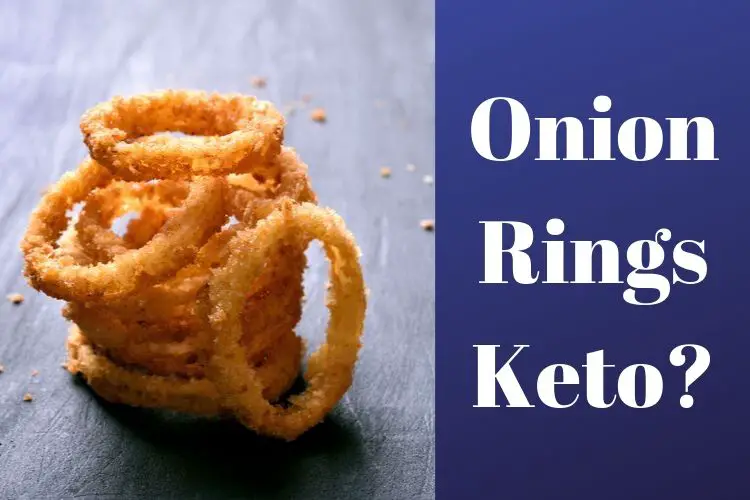
Golden and crispy, deep-fried onion rings are a popular appetizer or side dish, consisting of two basic components: onion and the breading.  The onion rings are then deep fried in oil, usually vegetable oil. 

Those following a low carb diet like Keto should avoid battered foods, like onion rings, because quite a lot of flour is used to prepare them.  As we all know, wheat flour is high in carbs.  But that doesn’t mean you don’t have to say goodbye to onion rings forever…

With a few simple tweaks to the classic onion ring recipe, you can still enjoy these crispy, golden treats on Keto.  Although traditional onion rings like the kind you order at restaurants are high-carb, you can make your own Keto-friendly version at home.  Don’t worry, they’re super easy to prepare!

The best part is these low carb homemade onion rings taste amazing and won’t throw your body out of ketosis.  If you’re looking for a way to enjoy onion rings on your low carb diet – we’ve got you covered. You’ll find the full recipe later in this article, so keep reading…

How Many Carbs Are In Onion Rings?

There are 44 grams of carbs in a 100 gram serving of onion rings (about 6 pieces).

How Many Calories are in Onion Rings?

A 100 gram serving of onion rings contains 411 calories.

Nutrition Facts

Serving Size: 100 grams of Onion Rings (Breaded and Fried)
Calories 411
Total Fat 25 grams 38%
Saturated fat 4.2 grams 21%
Polyunsaturated fat 12 grams
Monounsaturated fat 7 grams
Trans fat 0.2 grams
Sodium 776 milligrams 32%
Potassium 167 milligrams 4%
Total Carbohydrate 44 grams 14%
Dietary fiber 2.7 grams 10%
Sugar 5 grams
Protein 3.9 grams 7%
Vitamin A 0% Vitamin C 2%
Calcium 11% Iron 4%
Vitamin B-6 5% Magnesium 4%

Where To Buy Onion Rings?

You can buy an order of onion rings at most restaurants and fast food eateries for around $3 to $5.  They are also sold in the freezer section of most grocery stores or stores like Walmart.  If you shop online, you can order a box of frozen onion rings in bulk on sites like Amazon and have them shipped to you. 

Health Benefits

onion rings carbs

Overview

Although the batter used to make onion rings doesn’t contain any significant health benefits, the onion inside can assist your health.  One cup of sliced onions contains zero fat, 3 grams of fiber, 2 grams of protein, 0 grams of cholesterol and 7 grams of natural sugar.  

You’ll get 10% of your daily value of vitamin C, vitamin B-6 and manganese.  Onions contain trace amounts of calcium, iron, folate, magnesium, phosphorus and potassium.  They also contain powerful antioxidants, quercetin and sulfur. 

Any other goodness would depend on the type of oil used to fry them.  If a healthy oil is used, you will get some healthy fats.  For example, avocado oil is great for frying as it has a high smoke point and mild flavor.  It’s rich in fatty acids and contains other nutrients like potassium and lecithin.  Vegetable oil is an unhealthy fat that is often used to fry onion rings.  This oil should be avoided as it is high in trans-fat and may contribute to cardiovascular disease.

Consuming onions regularly has a positive effect on the following diseases:

Treats Asthma

Due to the quercetin contained in onions, they have an antihistamine effect.  This antioxidant acts like an antihistamine and an anti-inflammatory agent.  Researchers believe the quercetin may reduce allergic or inflammatory chemicals in the body.  For this reason, it is believed that the consumption of onions may be a promising treatment for asthma.

May Help Prevent Some Cancers

When combined with turmeric, onions may help reduce cancer risk.  A study conducted back in 2006 found the combination of these two foods creates an effect that reduces the size and quantity of precancerous hosts in the intestine, thus lowering the risk of colon cancer. Additionally, the sulphuric compounds in onions help detoxify carcinogens. These amazing compounds, which are contained in the cell wall of the onion, are released after the onion is chopped or chewed.

Positive Effects on Blood Sugar Control in Diabetics

Eating a lot of onions regularly could lower glucose levels in the body. The essential oil of the onion is called allyl propyl disulfide.  This oil is known to mediate blood sugar levels because it leads to an increase in insulin available, which in turn lowers blood sugar levels.

A 1975 study found onion’s essential oil led to a drop in blood glucose levels when it was given to healthy volunteers after a 12-hour fast.

Protects Against Heart Disease

Did you know onions are a heart-healthy food?  According to a 2007 study, the antioxidant, quercetin was found to significantly reduce high blood pressure in adults with hypertension.  In fact onions are believed to even exceed the heart-protective properties of red wine.  This incredible vegetable helps maintain healthy blood pressure levels and improves the elasticity of the arteries, preventing hardening.

Supports Dental Health

Raw onions contribute to bad breath, but they can actually improve our dental health.  Chewing a raw onion can eliminate bacteria that can lead to cavities.  Chewing a raw onion for a few minutes kills most of the bacteria in the mouth and prevents tooth decay.

Side Effects

onion rings calories

Classic deep-fried onion rings may be tasty, but they’re high in fat and calories.  The use of hydrogenated vegetable oil for deep frying is not healthy.  This oil contains trans-fat which contributes to high cholesterol, heart disease and stroke.

Onion rings contain gluten, so those who have gluten-intolerance or celiac disease should avoid this food or prepare them without wheat flour. Almond flour is a gluten-free alternative.

Sugar in Onion Rings

There are 5 grams of sugar in a 100 gram serving of onion rings.

Fiber in Onion Rings

There are 2.7 grams of fiber in a 100 gram serving of onion rings.

Easy Hacks to Make Your Onion Rings Healthier

  • Bake your onion rings instead of frying or fry them in an air-fryer, which requires a lot less oil.  These cooking methods significantly reduce the fat and calories in your onion rings.
  • Use a heart-healthy oil with a high smoke point, like coconut oil, avocado oil, canola oil, sesame oil, or olive oil.
  • Use almond flour in the batter instead of wheat flour to lower carb content.  Avoid adding sugar to the batter.
  • Add herbs and spices to the batter of your onion rings, like turmeric, cumin and garlic, to boost flavor and increase nutritional value.
  • Slice your onions thicker so that the rings have a higher onion to batter ratio.
  • Avoid or limit high-sugar condiments, like ketchup, to keep carbs lower.

Homemade Onion Rings Recipe – Make it Keto!

Ingredients:

  • 1 large sweet onion
  • 1 egg
  • 1 cup almond flour
  • 1 ounce parmesan cheese, grated
  • 1 teaspoon garlic powder
  • ½ teaspoon turmeric
  • ½ teaspoon smoked paprika
  • 1 pinch pink Himalayan sea salt
  • 1 tablespoon avocado oil

Instructions:

  1. Preheat the oven to 400°F if you wish to bake these onion rings.  You can also use an air fryer.
  2. Peel the onion and slice into rings, about a third of an inch thick.
  3. Combine the dry ingredients in one bowl and beat the egg in a separate bowl.
  4. Dip the onion rings in the egg and then in the flour mix.
  5. Place the rings on a greased baking sheet.
  6. Drizzle or spray oil on the rings and bake in the oven for 15–20 minutes, flipping them halfway to ensure they get cooked evenly. If you turned your oven up to broil, watch them closely so that they don’t burn. 
  7. Remove from oven once they’re golden brown and crisp.  Enjoy!

Contains only 6 grams of carbs per 100 gram serving.

Carbs and Calories in Tomato Paste: Is Tomato Paste Keto Friendly?


tomato paste keto

Tomato paste has a reasonably moderate carb count per serving and can be factored into a low carb diet, like Keto.  Adding a few tablespoons into your recipes or even a small can is fine because this amount would be used in a whole pot of soup, stew, chili, or sauce.  Each serving would only contain a fraction of the carbs.

Start with -> The Eat Sleep Burn System!

For instance, a whole can of tomato paste containing 32 grams of carbs might be used to make a whole pot of soup that makes 8 servings.  Once the carbs are spread out, each bowl would only yield a little over 4 grams of carbs, which is completely reasonable on the Keto diet.  (The fiber contained in tomato paste also lowers the total net carbs.)   

How Many Carbs are in Tomato Paste?

  • One tablespoon of tomato paste contains 3 grams of carbs.
  • A 100 gram serving of tomato paste contains 19 grams of carbs.
  • One 6-ounce can of tomato paste contains 32 grams of carbs.

How Many Calories are in Tomato Paste?

  • One tablespoon of tomato paste contains 18 calories.
  • A 100 gram serving of tomato paste contains 82 calories.
  • One 6-ounce can of tomato paste contains 139 calories.

What is Tomato Paste?

Tomato paste is a thick condensed paste made by stewing tomatoes for hours to reduce the water in the tomatoes.  Seeds and skins are strained out and then the tomatoes are cooked again to reduce further until you’re left with a thick concentrated paste.  Tomato paste enhances a number of dishes and when caramelized, it adds a delicious robust flavor.

Nutrition Facts

Based on 1 can of Tomato Paste, 6 ounces (170 g)
Calories 139
Total Fat 0.8 grams 1%
Saturated fat 0.2 grams 1%
Polyunsaturated fat 0.3 grams
Monounsaturated fat 0.1 grams
Cholesterol 0 milligrams 0%
Sodium 100.3 milligrams 4%
Potassium 1723.8 milligrams 49%
Total Carbohydrate 32 grams 10%
Dietary fiber 7 grams 28%
Sugar 21 grams
Protein 7 grams 14%
Vitamin A 51% Vitamin C 62%
Calcium 6% Iron 28%
Vitamin D 0% Vitamin B-6 20%
Cobalamin 0% Magnesium 17%

Ingredients

A 6-ounce can of Hunt’s Natural Tomato Paste contains only 20 mg of natural sodium per serving. Ingredients: Tomato Paste, Less than 2% of: Spices, Natural Flavors, Citric Acid. 

Other brands may include olive oil, salt, lemon juice and preservatives.

Popular Brands

  • Hunts
  • Amore 
  • Cento 
  • Redpack 
  • Contadina 
  • Rienzi 
  • Leggo’s
  • Gino

Health Benefits

tomato paste calories

Overview

Tomato paste offers a number of nutritional benefits, containing a wide range of minerals, vitamins and lipids.   Studies show that cooked tomato products like tomato paste has higher levels of lycopene, one important antioxidant that is known for its protective effect against various types of cancer.  Lycopene also promotes skin health by protecting against UV damage.  Tomato paste is also rich in carotenoids, which protect the heart and also promoting skin health. 

High in Antioxidants:

The stewing of tomato paste helps your body better absorb its important antioxidant compounds and increases the lycopene content.  Lycopene fights inflammatory diseases and reduces the risk of cancer, especially prostate cancer.

Benefits for Skin:

Another advantage of regularly consuming tomato paste is its amazing ability of preventing sunburn by more than 40% due to the carotenoids contained in tomato paste, including lycopene. 

High Cholesterol:

The carotenoids that are abundant in tomato paste help support heart health by decreasing the levels of LDL cholesterol (bad cholesterol) in the body.  Carotenoids also prevent the oxidation cholesterol that leads to plaque formation and hardening of the arteries. Consuming tomato paste regularly improves blood pressure.  This helps in proper blood flow and decreases the risk of heart attack and stroke.

Minerals in 100 grams of Tomato Paste:

  • Calcium 36 milligrams
  • Iron 2.98 milligrams
  • Magnesium 42 milligrams
  • Phosphorus 83 milligrams
  • Potassium 1014 milligrams
  • Sodium 59 milligrams
  • Zinc 0.63 milligrams

Vitamins in 100 grams of Tomato Paste:

  • Vitamin C, total ascorbic acid 21.9 milligrams
  • Thiamin 0.06 milligrams
  • Riboflavin 0.153 milligrams
  • Niacin 3.076 milligrams
  • Vitamin B-6 0.216 milligrams
  • Folate, DFE 12 µg
  • Vitamin A, RAE 76 µg
  • Vitamin A, IU 1525 IU
  • Vitamin E (alpha-tocopherol) 4.3 milligrams
  • Vitamin K (phylloquinone) 11.4 micrograms

Lipids in 100 grams of Tomato Paste:

  • Fatty acids, total saturated 0.1 grams
  • Fatty acids, total monounsaturated 0.067 grams
  • Fatty acids, total polyunsaturated 0.16 grams

Uses in Cooking

For best results, simmer your tomato paste on the stovetop it so that it can caramelize, which greatly enhances its flavor.  Add it to your recipes after you’ve sautéed the aromatics, like garlic, onion, and herbs. The tomato paste only needs a couple minutes to caramelize and develop a darker color and richer flavor. Adding your tomato paste too early could cause it to burn, so make sure you keep an eye on it as it browns. 

Tomato paste can be used to prepare a number of the dishes, including:

  • Use tomato paste to make homemade low-sugar ketchup
  • Use it is soups and stews.
  • Add it to thicken tomato sauces for pasta.
  • Add body to casseroles and meatloaf.
  • Use it to marinate for meat.
  • Combine tomato paste, olive oil, and oregano for a low sugar pizza sauce.

Side Effects

tomato paste carbs

Tomatoes are safe to eat, however the tomato leaf is unsafe for human consumption. In large quantities, tomato leaves can cause poisoning. Symptoms of tomato leaf poisoning may include severe mouth and throat irritation, vomiting, diarrhea, dizziness, headache, mild spasms, and in serious cases, even death.  Never consume tomato leaves. 

Tomatoes are safe for pregnant women and nursing mothers in regular food amounts.

Fiber in Tomato Paste

There are 4 grams of dietary fiber in 100 grams of tomato paste.

Sugar in Tomato Paste

100 grams of tomato paste contains 12 grams of sugar.

Tomato Paste Alternatives

If you don’t have a can tomato paste in your pantry, you can use any of the following alternatives instead to enhance the flavor of your dishes:

  • Tomato sauce or puree
  • Tomato juice
  • Tomato soup
  • Canned tomatoes
  • Fresh tomatoes
  • Ketchup
  • Red pepper paste
  • Tomato salsa
  • Red wine

Keto Butternut Squash & Zucchini Chili

Ingredients:

  • 1 pound lean ground beef, ground chicken or ground turkey
  • 1 small onion, diced
  • 3 cloves of garlic, pressed
  • 3 tablespoons tomato paste
  • 1 tablespoon chili powder
  • ½ teaspoon chili flakes
  • 1 teaspoon smoked paprika
  • 1 teaspoon pink Himalayan sea salt
  • ½ teaspoon black pepper
  • 1 ½ cups water
  • ¼ cup of black beans, pinto beans
  • 1 handful of kidney beans, rinsed drained
  • 1 can (14 ounces) diced tomatoes
  • ½ can tomato puree
  • ¼ cup spicy tomato salsa
  • 1 cup butternut squash, peeled and cubes in ½ inch pieces
  • 1 cup zucchini, peeled and cubes in ½ inch pieces
  • A splash of red wine vinegar (optional).

Instructions:

  1. In a large saucepan oven over medium heat, brown the meat together with the onion, until meat is fully cooked and onion is translucent, about 7 minutes.
  2. Add garlic, tomato paste, and spices.  Continue to cook another few minutes.  Slowly pour in water, beans, diced tomatoes and tomato puree. Bring to a rolling boil and then reduce heat. Add in squash and zucchini continue to simmer while covered for about 20 minutes until squash and zucchini is tender and then stir in vinegar and salsa.
  3. Top with your cheddar, Parmesan or mozzarella cheese and enjoy!

Related Questions:

Is Tomato Paste Gluten-Free?

The popular brand, Hunts assures that all of their processed tomato products, including tomato paste, pasta sauces and pizza sauces, are considered gluten-free at less than 20 parts per million.  Some brands may add wheat flour as a thickener, so always check the label first to make sure there is no wheat or flour added.

Is Tomato Paste Vegan?

Yes, tomato paste is cruelty-free and does not contain any animal products. However, as with most foods, there may be variations by brand. Always scan the label before purchasing tomato paste or sauce to ensure there are no animal products added to the product.

Carbs and Calories in Asparagus: Is Asparagus Keto Friendly?


asparagus keto

If you’re a huge fan of asparagus like I am, you’re in luck.  I’m happy to report that asparagus is low in carbs and perfect for low carb diets, like Keto.

You’re probably aware that asparagus offers some excellent health benefits, but did you know eating asparagus regularly can actually help you lose weight?  It’s true!  Keep reading to find out how.

In this article, I’ve included a delicious recipe for Cheesy Bacon Asparagus Casserole, along with some other great low carb meal ideas using asparagus.

Read on to discover all the delicious ways to serve asparagus so that you’ll get the most out of this amazing superfood.

How Many Carbs are in Asparagus?

  • A full cup of asparagus contains 5 grams of carbs.
  • A 100 gram serving contains 3.9 grams of carbs.
  • Each medium-sized spear of asparagus contains only 0.5 grams of carbs.

How Many Calories are in Asparagus?

  • A full cup of asparagus contains 27 calories.
  • A 100 gram serving contains 20 calories.
  • Each medium-sized spear of asparagus contains only 3 calories.

Nutrition Facts

Serving Size:  100 grams of Asparagus
Calories 20
Total Fat 0.1 grams 0%
Saturated fat 0 grams 0%
Polyunsaturated fat 0.1 grams
Monounsaturated fat 0 grams
Cholesterol 0 milligrams 0%
Sodium 2 milligrams 0%
Potassium 202 milligrams 5%
Total Carbohydrate 3.9 grams 1%
Dietary fiber 2.1 grams 8%
Sugar 1.9 grams
Protein 2.2 grams 4%
Vitamin A 15% Vitamin C 9%
Calcium 2% Iron 11%
Vitamin D 0% Vitamin B-6 5%
Cobalamin 0% Magnesium 3%

Origin

Asparagus is a perennial flowering plant species.  Its folk name is “sparrow grass” and the scientific name for this plant is “Asparagus officinalis”.  This crop’s young shoots are eaten as a spring vegetable.   The term, asparagus originates from the Greek “asparagos”, which was derived from the Persian “asparag”, translating in English to “sprout” or “shoot”.

Health Benefits

asparagus carbs

Superfood Nutrient Profile

Asparagus is loaded with essential vitamins and minerals like vitamins A, B6, C, E, and K.  What’s more, it is rich in minerals like folate, iron, copper and calcium.  Additionally, asparagus contains a substantial amount of protein and fiber. All of these nutrients combined in one little green vegetable gives asparagus superfood status.

Excellent Source of Folic Acid

Asparagus is rich in folic acid, an important nutrient especially for pregnant women as it protects against birth defects.  Studies show that folic acid supplements cuts the risk of premature birth in half when taken regularly a year prior to conception.

Rich in Vitamin K

Like other green veggies, asparagus offers a good source of vitamin K. This vitamin is helps in wound healing and blood coagulation.  It also helps your body absorb calcium.

A Powerhouse of Antioxidants

Asparagus, especially the purple variety is a powerhouse of antioxidants.  This veggie is packed with anthocyanins that prevent cell damage from free radicals.  Cooking the asparagus is required to activate the cancer-fighting properties.  To retain its nutrient profile, be careful not to overcook asparagus.  Boiling this veggie for too long or sautéing it at too high a temperature can cook off its nutrients. 

Asparagus is also rich in vitamin E, another crucial antioxidant that strengthen your immune system.  Vitamin E also protects against cell damage from free radicals.  

Supports Urinary Tract Health

The amino acid, asparagine contained in asparagus means this veggie is a natural diuretic.   Eating asparagus helps prevent water retention by flushing out excess fluid and salt.  Eating asparagus regularly may also prevent urinary tract infections.

Combats Belly Bloat

Asparagus supports the health of your digestive tract as it contains both soluble and insoluble fiber.   Asparagus also contains prebiotics to help produce good bacteria in your gut.  This wondrous veggie can also reduce gas and its diuretic properties flush excess body fluid, which also reduces bloating.

Fights Depression

Asparagus is packed with folate, a nutrient known to boost mood.  Research has discovered a link between low levels of folate and vitamin B12 in people who are suffer from depression.  Physicians and psychiatrists are known to prescribe daily doses of these vitamins to depressed patients. Asparagus also contains high levels of tryptophan, an amino acid that is also associated with improved mood.

Boosts Libido

Asparagus can help boost sex hormones and acts as a natural aphrodisiac.  The vitamin B6 and folate contained in this veggie help may increase feelings of arousal.  In addition, vitamin E also boosts the respective sex hormones in men and women, testosterone and estrogen.

Helps a Hangover

Studies show that a serving of asparagus might help cure a hangover because of the minerals and amino acids in asparagus.  Asparagus can also help protect the liver against the toxins in alcohol.

Side Effects

asparagus calories

There are no life-threatening side effects of eating asparagus.  If you eat a lot of asparagus, you may experience some gas and a pungent smell to the urine, however these side effects do not pose a risk, unless you are allergic to asparagus.

Fiber in Asparagus

There are 2.1 grams of dietary fiber in a 100 gram serving of asparagus.

Sugar in Asparagus

There are 2 grams of sugar in a 100 gram serving of asparagus. 

Protein in Asparagus

A 100 gram serving of asparagus contains 2.2 grams of protein.

Cheesy Bacon Asparagus Casserole – Make it Keto!

Ingredients:

  • 1 pound of asparagus, washed and trimmed
  • 1 tablespoon of olive oil
  • 1 teaspoon pink Himalayan sea salt
  • ½ pound of bacon, fried and crumbled
  • 2 cloves of garlic, minced
  • ½ cup of shredded cheddar cheese
  • ½ cup of grated Parmesan cheese
  • ¼ teaspoon red pepper flakes
  • ¼ teaspoon smoked paprika

Instructions:

  1. While your oven preheats to 400 degrees, toss the asparagus with oil, garlic and sea salt.
  2. Place half of the asparagus in an oven-safe casserole dish. Top with half of the bacon and cheese. Repeat with another layer of asparagus and top with more bacon and cheese.  Sprinkle with red pepper flakes and smoked paprika on top.
  3. Bake until asparagus is as tender (about 20 minutes or so) and enjoy!

Makes 4 servings.  Contains 6 grams of carbs per serving.

How to Serve Asparagus on Keto

If you’re new to asparagus or looking for some new ways to enjoy this veggie, try out some of the following low carb meal ideas:

  • Grill asparagus with shrimp and toss with Zucchini noodles (or veggie noodles of choice) and olive oil.
  • Roast it with garlic and parmesan.
  • Grill bacon-wrapped asparagus.
  • Serve asparagus as a side dish along with fish, chicken or beef.
  • Add asparagus to stir-fried veggie dishes.
  • Smother steamed asparagus with cheese sauce.
  • Add asparagus tips to omelettes or frittatas.
  • Include asparagus in casseroles and bakes.
  • Toss asparagus in a salad, combining cherry tomatoes, olives and feta cheese.
  • Top grilled asparagus with a creamy curry sauce made with coconut milk.

Is Asparagus Good for Weight Loss?

Asparagus is a veggie that is chock full of nutrients, but low in fat and carbs. A full cup of asparagus contains a mere 27 calories, which means you can eat a lot of this food without consuming many calories.   

Because asparagus is made up of about 94% water, this veggie is very hydrating.  Not only are that, water-rich foods are associated with weight loss. 

Additionally, asparagus contains a substantial amount of soluble and insoluble fiber.  Boosting your fiber intake helps manage weight because fiber-rich foods digest slower, keeping you feeling satiated for longer, which prevents snacking between meals. 

Additionally, a diet high in fiber helps combat constipation and lowers cholesterol.  Fiber rich foods also help prevent heart disease and diabetes, two diseases related to obesity