Recent Posts

Eggs Calories: All What You Need to Know


If you’re like most people, you probably think of eggs as a healthy and nutritious food. And while they are certainly a good source of protein and other nutrients, they also contain cholesterol and calories.

How Many Calories in an Egg

  • A small egg contains around 54 calories
  • A medium egg contains around 63 calories
  • A large egg contains around 72 calories
eggs calories

With the majority of calories coming from the egg white. On Average, the yolk makes up about 35% of the total calories in an egg.

Calories in Cooked Eggs

The number of calories in an egg depends on the size of the egg and how it is cooked.

Scrambled eggs: 91 calories

Poached eggs: 74 calories

Hard-boiled eggs: 78 calories

Egg omelet: 94 calories

Egg Omelet and cheese: 119 calories

What’s Inside an Egg?

An egg is made up of two main parts – the yolk and the egg white. The yolk is the yellow part of the egg that contains fat and cholesterol, while the egg white is the clear part of the egg that contains protein.

The yolk also contains vitamins and minerals, such as vitamin A, B12, iron, and zinc.

Eggs Nutrition Facts

1 large egg, raw, whole contains:

Calories: 72

Fat: 5 grams

Saturated fat: 1.6 grams

Unsaturated fat: 2.3 grams

Cholesterol: 186 mg

Sodium: 70 mg

Potassium: 63 mg

Carbohydrates: 0.4 grams

Protein: 6.3 grams

Vitamin A: 6% of the RDI

Calcium: 2% of the RDI

Iron: 5% of the RDI

Health Benefits of Eggs

  • Protein: Eggs are a good source of high-quality protein. One large egg contains six grams of protein, which is about 12% of the Daily Value. Protein is essential for building and repairing tissues, making enzymes and hormones, and supporting the immune system.
  • Vitamin D: Eggs are one of the few foods that contain vitamin D. This vitamin is important for bone health and helps the body absorb calcium.
  • Choline: Eggs are also a good source of choline, a nutrient that supports brain health and development. Choline is important for memory, learning, and muscle control.
  • Antioxidants: Eggs contain antioxidants that may help protect against disease.
  • Eggs make you feel full: Eggs are a high-protein food that can help you feel full and satisfied after eating. This may help you eat less throughout the day and may help you lose weight in the long term.
  • Omega-3: Eggs also contain omega-3 fatty acids, which are important for heart health. Omega-3s can help reduce cholesterol and triglyceride levels, and may also help lower blood pressure.

Side Effects

While eggs are generally safe for most people, there are a few potential side effects to be aware of.

  • Allergies: Some people may be allergic to eggs. Symptoms of an egg allergy include hives, swelling, difficulty breathing, and anaphylaxis.
  • Cholesterol: Eggs contain cholesterol, which can raise your cholesterol levels if you consume too many. High cholesterol levels can lead to heart disease.
  • Weight gain: Eggs are high in calories, and consuming too many calories can lead to weight gain. If you’re trying to lose weight, it’s important to limit your intake of eggs.
  • Diarrhea: Eating too many eggs can cause diarrhea due to the high amount of fat and cholesterol in the yolks.
  • Poisoning: If eggs are not cooked properly, they can cause food poisoning. Symptoms of egg poisoning include nausea, vomiting, and diarrhea.

Vitamins in Eggs:

calories in eggs

Eggs are a good source of several vitamins and minerals, including:

Vitamin A: Eggs contain vitamin A, which is important for vision, reproduction, and immunity.

B vitamins: Eggs are a good source of B vitamins, such as choline, riboflavin, and folate. These vitamins are important for energy metabolism, brain function, and red blood cell production.

Vitamin D: Eggs are one of the few foods that contain vitamin D. This vitamin is important for bone health and helps the body absorb calcium.

Vitamin E: Eggs also contain vitamin E, an antioxidant that may help protect against disease.

Minerals in Eggs:

Eggs are a good source of several minerals, including:

  • Selenium: Eggs contain selenium, a mineral that is important for thyroid function and immunity.
  • Iron: Eggs are a good source of iron, which is important for red blood cell production and energy metabolism.
  • Zinc: Eggs also contain zinc, a mineral that is important for growth, wound healing, and immune function.

Carbs in Eggs

Eggs contain a small number of carbohydrates. One large egg contains less than one gram of carbs, which is about 2% of the Daily Value.

Fats in Eggs

Eggs are a good source of fat. One large egg contains five grams of fat, which is about 8% of the Daily Value. The majority of the fat in eggs is healthy unsaturated fat.

Eggs for Weight Loss

Eggs are a high-protein food that can help you feel full and satisfied after eating. This may help you eat less throughout the day and may help you lose weight in the long term.

Eggs and Diabetes

Eggs are a good source of protein and can be part of a healthy diet for people with diabetes. However, it’s important to monitor your intake of eggs and other foods high in cholesterol, as they can raise your cholesterol levels.

Eggs and Heart Health

Eggs are a good source of protein and omega-3 fatty acids, which are important for heart health. Omega-3s can help reduce cholesterol and triglyceride levels, and may also help lower blood pressure.

Varieties of Eggs

eggs calories based on sizes

There are many different types of eggs, including:

Chicken eggs: Chicken eggs are the most common type of egg. They come in a variety of sizes and colors, including white, brown, and blue.

Duck eggs: Duck eggs are larger than chicken eggs and have a richer flavor.

Quail eggs: Quail eggs are small and delicate. They have a higher protein content than chicken eggs.

Goose eggs: Goose eggs are the largest type of egg. They have a strong flavor and a high protein content.

Ostrich eggs: Ostrich eggs are the largest of all eggs. One ostrich egg is equivalent to 24 chicken eggs.

Storage and Safety Tips for Eggs

Eggs are a perishable food and should be treated as such. Here are some tips for storing and handling eggs:

– Eggs should be refrigerated in their original carton and placed in the coldest part of the fridge.

– Eggs can be stored in the fridge for up to five weeks.

– Eggs should be washed before cooking to remove any bacteria that may be present on the shell.

– Raw eggs can contain bacteria that can cause food poisoning. Therefore, it’s important to cook eggs thoroughly before eating them.

– Eggs should be cooked until the whites and yolks are firm.

– Eggs should not be left out at room temperature for more than two hours.

– Eggs that have been cooked can be stored in the fridge for up to four days

Conclusion

Eggs are a nutritious food that can be part of a healthy diet. They’re an excellent source of protein and contain vitamins, minerals, and antioxidants that are important for good health. Eggs are also relatively low in calories and carbs, making them a weight-loss-friendly food. When it comes to safety, eggs should be refrigerated and cooked thoroughly to reduce the risk of food poisoning.

Intermittent Fasting and Keto: The Two Powerful Diets


If you’re looking to improve your health, you may have heard of the ketogenic diet and intermittent fasting. These two diets are becoming more and more popular and for good reason! They both offer a lot of health benefits. In this guide, we will discuss the basics of both diets and how they can help you reach your health goals.

Intermittent Fasting and Keto involves eating eating fewer calories to reduce weight gain

What is Intermittent Fasting?

Intermittent fasting is an eating pattern where you cycle between periods of fasting and eating. It can help you lose weight, improve your insulin sensitivity, and reduce inflammation.

How Does the Ketogenic Diet Work?

The ketogenic diet is a high-fat, low-carbohydrate diet that forces your body to burn fat for fuel. This type of diet can help you lose weight, improve your mental clarity, and increase your energy levels.

What are the Benefits of Combining These Two Diets?

When you combine intermittent fasting with the ketogenic diet, you get a powerful combination that can help you reach your health goals. Intermittent fasting helps to improve insulin resistance and reduce inflammation, while the ketogenic (the low carb diet) helps you lose weight, improve mental clarity, and increase energy levels.

Both of these diets have a lot to offer, but when you combine them, you get an even more powerful tool for improving your health! If you’re looking to improve your health, intermittent fasting and the ketogenic diet are two tools that can help you reach your goals.

What are the Benefits of Intermittent Fasting?

Intermittent fasting has a lot of health benefits. It can help you lose weight, improve your insulin sensitivity, and reduce inflammation.

Insulin Reduction

Intermittent fasting can help you lose weight by reducing your insulin levels. When your body doesn’t have to process insulin, it can burn stored fat for energy. This process is called “insulin sensitivity.”

Inflammation Reduction

Intermittent fasting can also help reduce inflammation. Inflammation is a major contributing factor to many chronic diseases. By reducing inflammation, intermittent fasting can help reduce your risk of developing these diseases.

Weight Loss

Intermittent fasting can also help you lose weight. This is because when you fast, your body is forced to burn stored fat for energy. Fasting also helps to reduce your appetite, so you eat less overall.

Ketone Production

Intermittent fasting can also help to increase ketone production. Ketones are a type of fuel that your body can use for energy. When you fast, your body produces more ketones, which can help you lose weight and improve your mental clarity.

Autophagy Induction

Intermittent fasting can also help to induce autophagy. Autophagy is the process by which your body breaks down and recycles old and damaged cells. This process helps to keep your cells healthy and prevents the buildup of toxins.

Fasting and Metabolism

Intermittent fasting can also help to boost your metabolism. When you fast, your body is forced to use stored fat for energy. This process helps to increase your metabolic rate and burn more calories overall.

Does Keto Work with Intermittent Fasting?

Yes, the ketogenic diet can work with intermittent fasting. In fact, combining these two diets can help you reach your health goals even faster! The ketogenic diet helps to promote weight loss and improve mental clarity, while intermittent fasting helps to reduce inflammation and improve insulin sensitivity.

The Right Way to Start an Intermittent Fasting Keto Diet

If you’re interested in starting an intermittent fasting keto diet, there are a few things you should know. First, it’s important to start slowly and gradually increase your fasting periods. It’s also important to make sure you’re getting enough calories and nutrients from healthy sources.

Meal Plan for Keto and Intermittent Fasting

Keto and Intermittent Fasting are good for cardiovascular health

If you’re wondering what to eat on a keto intermittent fasting diet, here’s a sample meal plan.

Breakfast: Keto coffee or tea with coconut oil and grass-fed butter

Lunch: A salad with chicken, avocado, olive oil, and vinegar

Dinner: Salmon with broccoli and olive oil

Snacks: Nuts, seeds, and full-fat yogurt

What is the Risk of Doing Keto and Intermittent Fasting Together?

The side effects of the keto diet are usually temporary and mild. They include things like headaches, fatigue, and constipation.

Intermittent fasting can also cause side effects like hunger, irritability, and low energy levels.

When you combine these two diets, it’s important to start slowly and increase your caloric intake gradually. This will help you avoid side effects and help your body adjust to the new diet.

If you have any chronic health conditions, it’s important to speak with a doctor before starting any new diet. This is especially true if you’re considering doing keto and intermittent fasting together.

Intermittent Fasting and Cancer

There is some evidence that intermittent fasting may help to treat or prevent cancer. One study found that fasting helped to reduce the growth of cancer cells in rats. Another study found that fasting may help to protect against the development of cancer.

Intermittent Fasting and Blood Sugar Control

Intermittent fasting can also help to improve blood sugar control. One study found that fasting helped to reduce blood sugar levels in people with type II diabetes. Another study found that intermittent fasting improved blood sugar control in people with prediabetes.

Intermittent Fasting and Muscle Mass

If you’re worried about losing muscle mass while intermittent fasting, don’t be. One study found that fasting actually helped to preserve muscle mass in people who were resistance training. Another study found that intermittent fasting didn’t have any significant effect on muscle mass in healthy adults.

How Many Hours Should You Intermittent Fast on Keto?

It depends on your goals, schedule, and lifestyle. However, most people who are doing keto and intermittent fasting will fast for 16 hours and eat within an eight-hour window (eating window). This is a good starting point for most people. You can adjust the fasting periods as needed to suit your goals and lifestyle.

How Much Weight Can You Lose With Intermittent Fasting And Keto?

It depends on your starting weight, your diet, and your lifestyle. However, many people who combine intermittent fasting and keto find that they lose weight quickly and easily. In one study, participants lost an average of 13 pounds in just eight weeks!

Does 16/8 Intermittent Fasting Put You In Ketosis?

Yes, 16/8 intermittent fasting can put you in ketosis. When you fast for long periods of time, your body is forced to use stored fat for energy. This process helps to promote weight loss and improve insulin sensitivity.

What to Consider Before Combining the Diets for Weight Loss?

If you’re considering combining intermittent fasting and keto for weight loss, there are a few things you should keep in mind. First, it’s important to start slowly. If you try to do too much too soon, you may experience side effects like hunger and low energy levels. It’s also important to make sure you’re getting enough calories and nutrients from healthy sources. Finally, if you have any health issues, you must speak to your doctor before starting a diet.

Intermittent Fasting FAQs

normal eating pattern for combining keto with intermittent fasting

What is Alternate Day Fasting?

Alternate day fasting (ADF) is an intermittent fasting method where you fast every other day. On fasting days, you eat either nothing or very few calories. This type of fasting can help to promote weight loss and improve insulin sensitivity.

Can I Drink Water During a Fast?

Yes, you can drink water during a fast. In fact, it’s recommended that you drink plenty of water to stay hydrated.

Can I Exercise During a Fast?

Yes, you can work out while fasting. However, it’s important to listen to your body and not overdo it. If you start to feel weak or dizzy, stop your workout and eat something.

Can I Break My Fast With a Meal Replacement Shake?

Yes, you can break your fast with a meal replacement shake. However, it’s important to make sure the shake is high in nutrients and low in sugar.

Can I Drink Coffee During a Fast?

Yes, you can drink coffee during a fast. Coffee can help to increase your energy levels and suppress your appetite.

What Should I Do If I Start To Feel Hungry During a Fast?

If you start to feel hungry during a fast, try drinking some water or herbal tea. You can also eat a small piece of fruit or veggie. If you’re still feeling hungry, break your fast with a small meal or snack.

Should I Take Supplements While Fasting?

It’s generally recommended that you take supplements while fasting. This is especially true if you’re doing a long fast. Supplements can help to prevent nutrient deficiencies and help your body function properly.

Who Shouldn’t Practice Intermittent Fasting?

It is not for everyone. Some people should avoid intermittent fasting altogether, including pregnant women, children, and people with certain medical conditions.

Conclusion

Intermittent fasting has a lot of potential health benefits. It can help you with weight loss, improve your fat burning, and reduce inflammation. It can also help to boost your metabolism and increase ketone production. Additionally, intermittent fasting can help to induce autophagy and keep your cells healthy.

Clementine Glycemic Index: What You Need to Know


If you are looking for a sweet taste healthy snack that won’t spike your blood sugar, look no further than the clementine! This delicious fruit has a glycemic index of just 23, which means it is slow to release glucose into the bloodstream. In this blog post, we will discuss the benefits of clementines as well as their glycemic index. We will also provide some tips on how to incorporate them into your diet. So read on to learn more about this amazing fruit!

blood glucose levels and glycemic index in clementine

Clementines are not only a delicious snack, but they are also packed with nutrients. They are a good source of fiber, potassium, and vitamin C. Fiber helps to slow down the absorption of sugar into the bloodstream, while potassium and vitamin C help to regulate blood sugar levels. Clementines also contain antioxidants which can help to protect against disease.

Clementine and Diabetics

When it comes to blood sugar, clementines are a great choice. Their glycemic index is low, which means they won’t cause a sudden spike in blood sugar levels. This makes them a good option for people with diabetes or those who are trying to control their blood sugar levels. Clementines can also be a good choice for people who are trying to lose weight, as they are low in calories and fat.

If you are looking to add clementines to your diet, there are a few things you should keep in mind. First, clementines can be eaten fresh or canned. If you choose to eat them fresh, make sure to wash them thoroughly first. Fresh clementines can also be added to salads, yogurt, or oatmeal. If you choose to eat canned clementines, look for brands that are packed in water or 100% juice. Canned clementines can also be added to smoothies or used as a topping for pancakes or waffles.

Can Clementine Increase Blood Sugar?

While clementines are a great choice for people with diabetes or those trying to control their blood sugar levels, it is important to remember that all fruit contains natural sugars. This means that clementines can still cause a slight increase in blood sugar levels if you eat too many at once. If you are concerned about your blood sugar levels, talk to your doctor or dietitian. They can help you create a meal plan that includes clementines portion size and other foods that are safe for you to eat.

Types of Sugar in Clementine

The sugar in clementine is fructose. Fructose is a type of sugar that is found naturally in fruits and vegetables. It is also the main type of sugar used in processed foods and drinks. While fructose is not as bad for your health as other types of sugar, it can still cause some problems if you eat too much of it.

Health Benefits

Clementines are a healthy snack option because they are low in calories and fat. They are also rich in fiber, potassium, and vitamin C. Fiber helps to slow down the absorption of sugar into the bloodstream, while potassium and vitamin C help to regulate blood sugar levels. Clementines also contain antioxidants which can help to protect against disease.

For Weight Loss

Clementines can also be a good choice for people who are trying to lose weight, as they are low in calories and fat. If you are looking to add clementines to your diet, there are a few things you should keep in mind. First, clementines can be eaten fresh or canned. If you choose to eat them fresh, make sure to wash them thoroughly first. Fresh clementines can also be added to salads, yogurt, or oatmeal. If you choose to eat canned clementines, look for brands that are packed in water or 100% juice. Canned clementines can also be added to smoothies or used as a topping for pancakes or waffles.

Clementines and Diabetes

Clementines are a great choice for people with diabetes or those trying to control their blood sugar levels. Their glycemic index is low, which means they won’t cause a sudden spike in blood sugar levels. This makes them a good option for people with diabetes or those who are trying to control their blood sugar levels. Clementines can also be a good choice for people who are trying to lose weight, as they are low in calories and fat.

Improve Your Digestion

Clementines can help to improve your digestion because they are a good source of fiber. Fiber helps to keep things moving through your digestive system and can also help to reduce constipation. If you are looking to add more fiber to your diet, clementines are a great way to do it. Just make sure to eat them in moderation, as too much fiber can cause problems like gas and bloat. Clementines are also a good source of antioxidants, which can help to protect your cells from damage. Antioxidants can also help to reduce the risk of some chronic diseases, such as heart disease and cancer.

Immune System

Like most citrus fruits, clementines are a good source of vitamin C, which is an important nutrient for the immune system. Vitamin C helps to protect your body against infection and disease. It also helps to improve the function of your immune system. Clementines can help you to stay healthy by providing you with a boost of vitamin C. Just make sure to eat them in moderation, as too much vitamin C can cause problems like stomach upset and diarrhea.

Lower Blood Pressure

Clementines are rich in calcium, which is an important mineral for the body. Calcium helps to regulate blood pressure and is also necessary for the development and maintenance of bones and teeth.

Side Effects

eat clementines GI

While clementines are generally safe to eat, there are a few side effects that you should be aware of. If you eat too many clementines, you may experience diarrhea or an upset stomach. This is because they contain a type of sugar called sorbitol, which can have a laxative effect on the body. Clementines also contain citric acid, which can cause tooth enamel to erode.

Which Fruits Have the Lowest Glycemic Load?

If you are looking for other fruits that have a low glycemic load, there are plenty of options to choose from. Some good choices include apples, berries, cherries, grapefruit, and pears. These fruits are all low in sugar and will not cause a sudden spike in blood sugar levels. So, if you are looking for a healthy and delicious snack, these fruits are a great option. Just remember to eat them in moderation, as too much of any type of fruit can be bad for your health.

How to Measure Sugar in Fruits?

There are a few different ways to measure the sugar content of fruits. The most common method is to use a food scale. This will allow you to measure the exact amount of sugar in fruit. You can also use a measuring cup or tablespoon. However, these methods are not as accurate as using a food scale.

Another way to measure the sugar content of fruits is to use the glycemic index. The glycemic index is a rating system that measures how quickly a food will raise blood sugar levels. Foods with a high glycemic index will cause a rapid increase in blood sugar levels, while foods with a low glycemic index will have a slower and more gradual effect.

The glycemic index can be a useful tool for people with diabetes or those trying to control their blood sugar levels. However, it is important to remember that the glycemic index is not a perfect measure of how healthy a food is. It is also important to consider the other nutrients in a food, such as fiber and protein.

How About Fats in Clementines?

Clementines are low in fat, with less than 0.25 grams of fat per clementine. Most of the fat in clementines is in the form of polyunsaturated fatty acids, which are considered to be healthy fats. Polyunsaturated fats can help to lower cholesterol levels and reduce the risk of heart disease.

What is the Best Season of Clementines?

Clementines are a type of citrus fruit that is typically in season from October through March. However, the exact time frame can vary depending on where they are grown. For example, clementines from California are usually available earlier than those from Florida.

So, when is the best time to buy clementines? That really depends on your personal preferences. Some people prefer the earlier varieties, while others prefer the later ones. There are even some people who think that clementines taste best when they’re not in season at all!

If you’re looking for the freshest and most flavorful clementines, you’ll probably want to buy them during the peak of their season. But if you’re on a budget, you may want to wait until they go on sale. Clementines are typically cheaper during the off-season, so you can save some money if you’re patient.

Clementine Glycemic Index: Final Thoughts

The glycemic index of clementines is relatively low, which means they are a good choice for people with diabetes or those trying to control their blood sugar levels. However, clementines do contain sugar and should be eaten in moderation. If you are looking for other fruits that have a low glycemic load, there are plenty of options to choose from, such as apples, berries, cherries, grapefruit, and pears.

Calories in Grapes: All What You Need to Know!


calories in red and green grapes

Do you love grapes? Well, you’re in luck! Grapes are a delicious and healthy snack that provide a variety of health benefits. In this comprehensive guide, we will discuss the nutritional value of grapes, as well as how many calories are in grapes. We will also explore some fun facts about this nutritious fruit!

How Many Calories Per Grape?

There are approximately 60 calories in a cup of grapes, or about 16 grapes. This means that there are approximately four calories in each grape. Grapes are made up of mostly water, so they are a low calorie snack option.

Nutrition in Grapes

Grapes are a good source of vitamins A, C, and K. They also contain antioxidants, which can help to protect your cells from damage. Grapes are a low calorie fruit, so they are a great option if you are trying to lose weight or to have a healthy weight maintenance.

Vitamin K is an important nutrient for maintaining healthy blood clotting. grapes are a good source of this vitamin, and consuming them regularly may help to keep your blood pressure in check.

Vitamin C is a powerful antioxidant that can help to protect cells from damage. grapes are a great source of this vitamin, and including them in your diet can help to ensure you’re getting enough. Just one cup of grapes contains around 25% of the recommended daily intake for vitamin C, making them an excellent choice for boosting your intake.

One of the health benefits of grapes is that they are a good source of potassium. Potassium is an important mineral for many body functions, including heart function and blood pressure regulation.

Are Grapes Good for You?

Yes, grapes are good for you! As mentioned, grapes contain vitamins as well as antioxidants. These nutrients can help to protect your cells from damage and promote a healthy immune system. Grapes are also low in calories and fat, making them a great choice if you are trying to lose weight or maintain a healthy weight.

Grapes Side Effects?

Although grapes are generally safe and healthy, eating too many grapes can cause some side effects. These side effects may include upset stomach, diarrhea, and gas. If you experience any of these side effects after eating grapes, it is best to consult with a doctor or professional medical advice.

Popular Serving Sizes of Grapes

There are many different ways to enjoy grapes. Some popular serving sizes include:

-One cup of grapes (about 16 grapes)

-A handful of grapes (about 20 grapes)

-A single grape

Popular Types of Grapes

grape juice calories

There are many different types of grapes of this sweet fruit, including:

-Red grapes

-Green grapes

-Purple grapes

-Black grapes

Grapes and Digestion

Grapes can be a healthy addition to your diet, but eating too many grapes at once can cause digestive issues.

Healthy Grape Recipes 

If you’re looking for some delicious and healthy grape recipes, here are a few to try:

-Grapefruit Salad

-Roasted Grapes with Balsamic Vinegar

-Grape smoothie

-Chicken Salad with Grapes

Grapes Common Questions:

Are Grapes High in Fiber?

No, grapes are not high in fiber. One cup of grapes contains about 0.75 grams of fiber. (0.4g of dietary fiber)

Are Grapes Good for Weight Loss?

Yes, grapes can be good for weight loss. Grapes are low in calories and fat, and they contain fiber, which can help you to feel full.

How much sodium in grapes?

The amount of sodium in grapes varies depending on the type of grape. For example, Muscadine grapes have about 35 milligrams of sodium per cup, while Concord grapes have about 20 milligrams of sodium per cup. However, the average grape has about five milligrams of sodium. So, if you’re looking for a low-sodium snack, grapes are a great option! Just be sure to check the label to see how much sodium is in your particular type of grape.

How Much Sugar is in One Grape?

The amount of sugar in grapes varies depending on the type of grape. For example, Muscadine grapes have about 16 grams of sugar per cup, while Concord grapes have about 23 grams of sugar per cup. However, the average grape has about four grams of sugar. So, if you’re looking for a sweet snack.

Do Grapes Have Fat?

The vast majority of grapes do not have any fat. However, there are a few varieties of grapes that contain a small amount of fat. For example, Muscadine grapes have about 0.16 grams of fat per cup, while Concord grapes have about 0.23 grams of fat per cup. However, the average grape has less than 0.01 grams of fat.

How Many Calories are in 10 Red Grapes?!

Ten red grapes contain approximately 34 calories. This calorie content is based on a small grape weighing around 0.32 ounces (or nine grams). The majority of the calories in grapes come from carbohydrates, with each grape containing about eight grams of carbs. Grapes also contain a small amount of protein and fat, but these macronutrients contribute very little to the overall calorie content.

How Many Calories are in a Whole Grape?

Depending on grape size, a small grape has about 4 calories, while a large grape has about 9 calories. The average-sized grape has about 6 calories. So, if you are eating a dozen grapes, you are consuming around 72 calories.

How Many Calories in Red, Green and Black Grapes?

Red grapes have slightly more calories than green grapes and black grapes. A cup of red grapes (151 grams) has about 104 calories, while the same amount of green grapes has about 96 calories, and black grapes have about 92 calories.

This means that if you are looking to cut down on your calorie intake, it is better to eat black grapes rather than red grapes.

Are Grapes Good for Diabetes?

Grapes have been shown to be effective in controlling high blood pressure. A recent study published in the journal “Nutrition” found that grapes can help lower blood pressure by 6-8 points. The grapes were found to improve the function of the endothelium, which is the lining of the blood vessels. This helps to prevent damage to the blood vessels and lowers the risk of heart disease.

How About Blood Sugar Level?

Grapes have also been shown to be effective in controlling blood sugar levels. A study published in the “Journal of Agricultural and Food Chemistry” found that grapes can help to reduce blood sugar levels by up to 25%. This is due to the grapes’ high levels of antioxidants, which help to protect the cells from damage.

Conclusion:

calories in grapes conclusion

Grapes are healthy and delicious fruit that can be enjoyed in many different ways. There are many different types of grapes, including red grapes, green grapes, purple grapes, and black grapes. Grapes can be a very good addition to your healthy diet, but eating too many grapes at once can cause digestive issues.

If you’re looking for some delicious and healthy grape recipes, here are a few to try: Grapefruit Salad, Roasted Grapes with Balsamic Vinegar, Grape smoothie, Chicken Salad with Grapes.

When it comes to nutrition, grapes are a good source of vitamins and minerals, they are low in calories and fat, and they contain fiber. So, if you’re looking for a healthy snack, grapes are a great option! Just be sure to check the label to see how much sugar is in your particular type of grape.

How Many Calories Are in a Banana? (Full Guide)


banana calories

How many calories are in a banana? This is a question that a lot of people are wondering about nowadays. With obesity rates on the rise, people are more interested than ever in what they’re eating and how many calories they’re consuming. One medium banana contains about 105 calories. That may not seem like a lot, but if you eat several bananas per day, those calories can add up! We will discuss the nutritional value of bananas and give you some tips for incorporating them into your diet.

Banana Nutrition Facts

Bananas are a good source of fiber and vitamin C. They also contain potassium, magnesium, and other essential nutrients. One medium-sized banana has the following nutritional value:

Calories: 105

Fat: 0 grams

Saturated Fat: 0 grams

Cholesterol: 0 milligrams

Sodium: 0 milligrams

Carbohydrates: 27 grams

Sugar: 14 grams

Vitamin A: 0%

Vitamin C: 17%

Calcium: 0%

Iron: 0%

Health Benefits

mashed banana cut calories

Bananas are often touted as being a “healthy” food and for good reason. Their nutrient content can help you meet your daily needs and their health benefits have been well-documented. For example, bananas can:

– Help you lose weight

– Lower your blood pressure

– Reduce your risk of heart disease

– Improve your digestion

Unripe Banana Benefits

If you have ever eaten green bananas, you know that they are not as sweet as their ripe counterparts. But did you know that unripe bananas actually have more health benefits than ripe bananas? That’s right – unripe bananas are packed with resistant starch, which is a type of dietary fiber that has been linked to numerous health benefits. Some of the benefits of resistant starch include:

– Weight loss

– Improved blood sugar control

– Reduced inflammation

– Improved gut health

Banana Protein

When most people think of bananas, they think of carbohydrates. But did you know that bananas also contain a decent amount of protein? In fact, one medium-sized banana contains about three grams of protein.

This may not seem like a lot, but it’s actually more than what is found in some other popular fruits, such as grapes and strawberries. The protein in bananas can help you stay full and satisfied after eating, making them a great snack choice for those looking to lose weight.

Side Effects

As with any food, there are potential adverse effects associated with eating bananas. For some people, eating too many bananas can lead to constipation. Bananas are also high in sugar, which can cause blood sugar levels to spike. If you have diabetes, you should be especially careful when incorporating bananas into your diet.

How to Eat Bananas

Now that we know all about the nutritional value and health benefits of bananas, let’s talk about how to eat them! Here are a few ideas:

– Add banana slices to your breakfast cereal or oatmeal.

– Mix banana chunks into a smoothie.

– Spread peanut butter or almond butter on a banana for a quick and healthy snack.

– Make a healthy banana ice cream by blending frozen bananas in a food processor.

– Use banana flour to make gluten-free pancakes or muffins.

Allergies

A small percentage of people are allergic to bananas. Symptoms of a banana allergy can include hives, swelling, and difficulty breathing. If you have any of these symptoms after eating bananas, see a doctor immediately.

Banana Fiber

Did you know that bananas contain a type of dietary fiber known as pectin? Pectin is a soluble fiber, which means it dissolves in water. Soluble fibers are beneficial because they can help lower cholesterol levels and improve digestion.

Banana Vitamins and Minerals

banana peels, sweet snack, normal blood pressure

Bananas are a great source of several vitamins and minerals, including vitamin C, potassium, and magnesium. Vitamin C is an important nutrient that helps boost the immune system. Potassium is essential for proper muscle function. Magnesium helps maintain healthy bones and supports the nervous system.

Banana and Weight Loss

Can eating bananas help you lose weight? The answer is yes! Bananas are a low-calorie food that is also high in fiber. Fiber helps you feel full, so you are less likely to overeat. Additionally, the nutrients in bananas can help boost your metabolism and promote healthy weight loss.

Banana and Blood Pressure

Bananas are often recommended for people with high blood pressure. This is because they contain potassium, which can help lower blood pressure. Additionally, the fiber in bananas can also help reduce cholesterol levels.

Banana and Heart Disease

Bananas can help reduce your risk of heart disease in several ways. First, they are a good source of fiber, which can help lower cholesterol levels. Additionally, the potassium in bananas can help keep your blood pressure under control. Finally, the antioxidants in bananas can help protect your heart health.

Banana and Digestion

Bananas contain dietary fiber, which is important for proper digestion. Fiber helps to keep you regular and can also help reduce the risk of constipation.

Banana and Gut Health

The soluble fiber in bananas can help to keep your gut healthy. Soluble fiber feeds the good bacteria in your gut (friendly gut bacteria), which is important for maintaining digestive health.

Banana and Immune System

Bananas are a good source of vitamin C, which is an important nutrient for boosting the immune system. Additionally, the antioxidants in bananas can also help to protect against free radicals, which can damage cells and lead to illness.

Banana and Cancer

Bananas may also help to reduce your risk of cancer. This is because they are a good source of antioxidants, which can help to protect cells from damage. Additionally, the fiber in bananas can also help to reduce the risk of colorectal cancer.

Bananas and Brain Health

Bananas contain potassium, which is important for brain health. Potassium helps to keep your cells healthy and can also help to improve cognitive function. Additionally, the antioxidants in bananas can also help to protect your brain from damage.

Bananas and Kidney Health

Bananas contain potassium, which is important for proper kidney function. Potassium helps to keep your kidneys healthy and can also help to reduce the risk of kidney stones. Additionally, the fiber in bananas can also help to reduce the risk of urinary tract infections.

Bananas and Bone Health

Bananas are a good source of magnesium, which is important for bone health. Magnesium helps to keep your bones strong and can also help to reduce the risk of osteoporosis. Additionally, the potassium in bananas can also help to reduce the risk of fractures.

Storage and Food Safety

Bananas should be stored at room temperature, don’t store them in plastic bags as this will keep the humidity. You can also store them in the fridge, but they will turn brown (brown spots) more quickly. If you need to ripen bananas quickly, place them in a paper bag with an apple or pear (ripe bananas have a low glycemic index of 51). The ethylene gas emitted by these fruits will help speed up the ripening process. Bananas should be eaten within a few days of ripening.

When it comes to food safety, bananas are relatively low-risk. However, you should always wash them before eating. This is especially important if you are going to eat the skin. Bananas can also be a choking hazard for young children, so be sure to cut them into small pieces.

Is it OK to Eat Bananas Every Day?

Yes, it is perfectly safe to eat bananas every day. Bananas are a nutritious food that can provide a variety of health benefits. Additionally, they are easy to incorporate into your diet and can be eaten in a variety of ways.

Do Bananas Cause Belly Fat?

No, bananas do not cause belly fat. In fact, they may even help to reduce it. This is because bananas are a good source of dietary fiber, which can help to keep you regular and can also help reduce the risk of constipation. Additionally, the vitamins and minerals in bananas can also support a healthy digestive system. So, if you’re looking to reduce belly fat, eating bananas may be a good place to start.

Conclusion

Bananas are a nutritious food that can provide a variety of health benefits. They are a good source of fiber, vitamins, and minerals. Additionally, they are easy to incorporate into your diet and can be eaten in a variety of ways. So, if you’re looking for a healthy snack option, bananas may be a good choice.

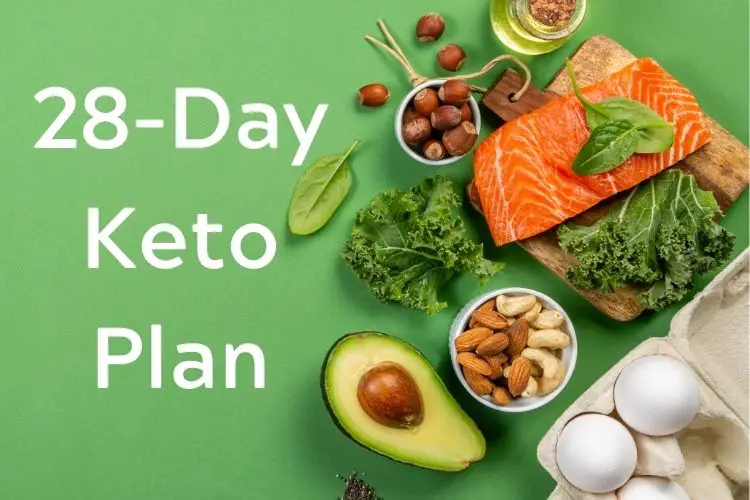
Free Keto Diet Plan for Beginners: 28-Day Simple Meal Plan


Are you looking to start keto but don’t know where to begin? This free keto diet plan for beginners will simplify everything for you! In this 28-day keto meal plan, we will give you all the information you need to start keto and be successful. We have included a variety of recipes and snacks that are both delicious and nutritious. Plus, we have also provided a shopping list so you can make sure you have everything you need before starting keto. Let’s get started!

28 days keto meal plan easy to make at home

Day 1

Breakfast: Scrambled eggs with bacon and avocado

Lunch: Grilled chicken salad with olive oil and vinegar dressing

Dinner: Baked salmon with broccoli and cheese

Day 2

Breakfast: Omelet with sausage, peppers, and onions

Lunch: Caesar salad with grilled chicken

Dinner: Beef stir-fry with vegetables

Day 3

Breakfast: Pancakes made with almond flour

Lunch: Tuna salad with hard-boiled eggs

Dinner: Chicken curry with cauliflower rice

Day 4

Breakfast: smoothie made with almond milk, avocado, and spinach

Lunch: leftovers from chicken curry

Dinner: a hamburger with a side salad

Day 5

Breakfast: oatmeal made with chia seeds, almond milk, and berries

Lunch: Soup made with bone broth and vegetables

Dinner: pork chops with roasted Brussels sprouts

Day 6

free keto meal plan

Breakfast: smoothie made with coconut milk, protein powder, and nuts

Lunch: Cobb salad with grilled chicken

Dinner: steak with roasted vegetables

Day 7

Breakfast: eggs benedict with avocado hollandaise sauce

Lunch: Greek salad with grilled shrimp

Dinner: lamb chops with roasted potatoes and green beans

Day 8

Breakfast: breakfast burrito with bacon, eggs, and cheese

Lunch: leftovers from chicken Alfredo

Dinner: Chicken Alfredo with broccoli

Day 9

Breakfast: pancakes made with cream cheese and eggs

Lunch: leftovers from chicken Alfredo

Dinner: meatballs with zucchini noodles

Day 10

Breakfast: bacon and eggs

Lunch: BLT salad with avocado mayonnaise dressing

Dinner: fish tacos with cabbage slaw

Day 11

Breakfast: pancakes made with almond flour

Lunch: chicken salad with avocado mayonnaise

Dinner: shrimp scampi with zucchini noodles

Day 12

salmon in keto meal plan

Breakfast: waffles made with almond flour

Lunch: cheeseburger soup

Dinner: salmon with dill sauce and broccoli

Day 13

Breakfast: omelet with sausage, peppers, and onions

Lunch: Caesar salad with grilled chicken

Dinner: fajitas with steak and vegetables

Day 14

Breakfast: waffles made with almond flour

Lunch: chicken soup with cauliflower rice

Dinner: beef stew with carrots and celery

Day 15

Breakfast: smoothie made with coconut milk, protein powder, and nuts

Lunch: Cobb salad with grilled chicken

Dinner: roast beef with roasted vegetables

Day 16

Breakfast: eggs Benedict with avocado hollandaise sauce

Lunch: Greek salad with grilled shrimp

Dinner: lamb chops with roasted potatoes and green beans

Day 17

Breakfast: breakfast burrito with bacon, eggs, and cheese

Lunch: Chicken Alfredo with broccoli

Dinner: shrimp scampi with zucchini noodles

Day 18

Breakfast: pancakes made with almond flour

Lunch: tuna salad with hard-boiled eggs

Dinner: chicken curry with cauliflower rice

Day 19

Breakfast: omelet with sausage, peppers, and onions

Lunch: Caesar salad with grilled chicken

Dinner: salmon with dill sauce and broccoli

Day 20

Breakfast: smoothie made with almond milk, avocado, and spinach

Lunch: Tuna salad with hard-boiled eggs

Dinner: salmon with dill sauce and broccoli

Day 21

Breakfast: waffles made with almond flour

Lunch: chicken soup with cauliflower rice

Dinner: roast beef with roasted vegetables

Day 22

keto plan for a month

Breakfast: eggs Benedict with avocado hollandaise sauce

Lunch: Greek salad with grilled shrimp

Dinner: lamb chops with roasted potatoes and green beans

Day 23

Breakfast: breakfast burrito with bacon, eggs, and cheese

Lunch: Greek salad with grilled shrimp

Dinner: shrimp scampi with zucchini noodles

Day 24

Breakfast: pancakes made with almond flour

Lunch: tuna salad with hard-boiled eggs

Dinner: meatballs with zucchini noodles

Day 25

Breakfast: omelet with sausage, peppers, and onions

Lunch: Caesar salad with grilled chicken

Dinner: beef stir-fry with vegetables

Day 26

Breakfast: smoothie made with almond milk, avocado, and spinach

Lunch: cheeseburger soup

Dinner: salmon with dill sauce and broccoli

Day 27

Breakfast: Scrambled eggs with bacon and avocado

Lunch: chicken soup with cauliflower rice

Dinner: roast beef with roasted vegetables

Day 28

Breakfast: eggs Benedict with avocado hollandaise sauce

Lunch: Greek salad with grilled shrimp

Dinner: lamb chops with roasted potatoes and green beans

Keto Questions and Answers for Beginners:

What is the keto diet?

The keto diet is a high-fat, low carb diet that can help you lose weight and improve your health.

What are some keto-friendly foods?

Some keto-friendly foods include avocados, eggs, salmon, and nuts.

What are the Best Healthy Fats for Keto Meals?

Healthy fats on the keto diet can be coconut butter and sesame oil, coconut oil, olive oil and avocado oil. Macadamia oil, almond butter, grass-fed butter and ghee are also keto-friendly. The keto diet is a high-fat, low-carbohydrate diet that can help you burn fat and lose weight. healthy fats can help you feel full and satisfied after meals, and they can also help you lose weight by providing your body with energy.

Can you eat bread on the ketogenic diet?

No, you cannot eat bread on keto because it is high in carbs.

What are some keto snacks?

Some keto snacks include hard-boiled eggs, cheese, and nuts.

Can you eat fruit on keto?

Yes, you can eat fruit on keto, but you need to be careful because some fruits are high in sugar and carbs.

What are the best fruits for keto?

The best fruits for keto are berries because they are lower in sugar and carbs.

What is the keto flu?

The keto flu is a condition that can occur when you start the keto diet. It is characterized by fatigue, headaches, and nausea.

How do I know if I’m in ketosis?

There are several ways to test for ketosis, including urine strips, blood tests, and breath tests.

What are the side effects of keto?

The side effects of keto include fatigue, headaches, and nausea.

Can I eat fast food on keto?

Yes, you can eat fast food on keto, but you need to be careful because some fast food is high in sugar and carbs.

What can I drink on keto?

You can drink water, coffee, and tea on keto. You should avoid sugary drinks, alcohol, and juices.

Can I eat out on keto?

Yes, you can eat out on keto, but you need to be careful because some restaurants serve food that is high in sugar and carbs.

What is ketoacidosis?

Ketoacidosis is a condition that can occur when you are on the keto diet. It is characterized by high levels of ketones in the blood, which can be dangerous.

Can I exercise on keto?

Yes, you can exercise on keto, but you need to be careful because some exercises are high in sugar and carbs.

Is the keto diet safe?

The keto diet is safe for most people, but it can be dangerous for people with diabetes or other health conditions.

Can I eat chocolate on keto?

Yes, you can eat chocolate on keto, but you need to be careful because some chocolate is high in sugar and carbs.

What is the difference between ketosis and ketoacidosis?

Ketosis is a normal state that occurs when you are on the keto diet. Ketoacidosis is a dangerous condition that can occur when you are on the keto diet.

Can I have a cheat day on keto?

Yes, you can have a cheat day on keto, but you need to be careful because some cheat foods are high in sugar and carbs.

What are the best vegetables for keto?

The best vegetables for keto are leafy greens, cruciferous vegetables, and mushrooms.

Can I eat popcorn on keto?

Yes, you can eat popcorn on keto, but you need to be careful because some popcorn is high in sugar and carbs.

Can I eat rice on keto?

No, you cannot eat rice on keto because it is high in carbs.

Can I eat bananas on keto?

No, you cannot eat bananas on keto because they are high in sugar and carbs.

How much weight can I lose on keto?

Most people can lose weight on keto, but the amount of weight you lose will depend on factors like your age, gender, activity level, and health.

Can I eat cheese on keto?

Yes, you can eat cheese on keto, but you need to be careful because some cheese is high in fat and calories.

Can I eat oatmeal on keto?

No, you cannot eat oatmeal on keto because it is high in carbs.

Can I eat yogurt on keto?

No, you cannot eat yogurt on keto because it is high in carbs.

Can I eat ice cream on keto?

Yes, you can eat ice cream on keto, but you need to be careful because some ice cream is high in sugar and carbs.

What are the best sweeteners for keto?

The best sweeteners for keto are stevia, erythritol, and monk fruit.

How many carbs a day should you eat a day?

You should eat less than 50 grams of carbs a day on keto.

How long does it take to enter ketosis?

It usually takes about two days to enter ketosis.

What are the worst foods for keto?

The worst foods for keto are high in sugar and carbs. This includes sweets, bread, pasta, rice, and potatoes.

What are the first side effects of the keto diet?

The first side effects of the keto diet are usually fatigue, headaches, and nausea.

What are the best supplements?

Some of the best supplements for keto are magnesium, potassium, and MCT oil.

Is the keto diet sustainable?

Yes, the keto diet is sustainable because you can eat a variety of healthy foods that are low in carbs.

What are some common mistakes people make on keto?

Some common mistakes people make on keto are eating too many carbs, not getting enough fat, and not drinking enough water.

What is Keto Flu?

Keto flu is a condition that can occur when you are first starting the keto diet. It is characterized by symptoms like fatigue, headaches, and nausea.

How to deal with keto flu?

If you’re feeling any of the keto flu symptoms listed above, there are a few things you can do to ease them. First, make sure you’re drinking plenty of water and electrolytes. This will help with both the headaches and the fatigue. Second, up your fat intake. This may seem counterintuitive, but increasing your fat intake can actually help minimize keto flu symptoms. And last, get some sleep! keto flu can be exacerbated by sleep deprivation, so make sure you’re getting enough rest.

Does keto flu feel like the cold?

The keto flu is a real thing, and it can be pretty uncomfortable. Keto flu symptoms include headaches, irritability, brain fog, and fatigue. These symptoms are caused by the sudden drop in carb intake and the resulting change in metabolism. The best way to avoid keto flu is to slowly transition into ketosis over a period of a few days. This will give your body time to adjust to the new way of eating.

Final Thoughts!

By following this keto diet plan for beginners, you will be starting keto the right way! This 28-day ketogenic meal plan is simple and easy to follow, so you can stick with it even if you’re a busy person. Plus, it’s delicious and nutritious, so you’ll be getting all the nutrients you need for healthy weight loss. And, if you’re new to keto, don’t worry – this meal plan will make it easy for you to transition into ketosis without feeling any side effects. So, what are you waiting for? Start your keto journey today!

If you’re looking for more keto meal ideas, be sure to check out our keto recipe collection. And, if you need help figuring out what to eat on keto, our keto food list is a great resource.

Just remember – when you’re starting keto, it’s important to listen to your body and make sure you’re not eating too much or too little. keto is a very individualized diet, so what works for one person might not work for another. But, as long as you’re sticking to the basics – high fat, low carb, moderate protein – you should be successful on keto.