Recent Posts

Calories in Sweet Potatoes: All About Sweet Potatoes


calories in sweet potatoes

Sweet potatoes are a delicious, healthy food that is low in calories and high in nutrients. Here we will discuss the nutritional content of sweet potatoes, as well as some of the health benefits they offer.

How many Calories in Sweet Potatoes?

One medium sweet potato contains around 100 calories. This makes them an excellent choice for people who are trying to lose weight or maintain a healthy weight.

Benefits of Sweet Potatoes

Sweet potatoes are an excellent source of vitamins and minerals, including vitamin C, potassium, and manganese. They are especially high in vitamin A, which is essential for healthy vision and immune function. Sweet potatoes are also a good source of fiber, which can help to improve digestive health and regulate blood sugar levels. Additionally, sweet potatoes contain antioxidants that can protect against cell damage and reduce the risk of chronic diseases such as heart disease and cancer.

Protein in Sweet Potatoes

Sweet potatoes are a good source of protein. One medium sweet potato contains around 2 grams of protein. Protein is essential for the growth and repair of tissues, and it helps to make enzymes and hormones.

Carbs in Sweet Potatoes

One medium sweet potato contains around 21 grams of carbs. Carbs are an important source of energy, and they help to regulate blood sugar levels. Sweet potatoes also contain fiber, which can help to improve digestive health and regulate blood sugar levels.

Fiber in Sweet Potatoes

Sweet potatoes are also a good source of fiber. Fiber helps to keep you feeling full, so you are less likely to overeat. Fiber is also beneficial for your digestive system and can help to reduce cholesterol levels.

Fat in Sweet Potatoes

Sweet potatoes are a low-fat food. One medium sweet potato contains around 0.3 grams of fat. Fat is an important part of a healthy diet, but you should limit your intake of saturated and trans fats.

Sweet Potatoes for Weight Loss

Sweet potatoes can be a healthy part of a weight-loss diet. They are low in calories and fat, and they contain fiber, which can help you to feel full. Sweet potatoes also have a low glycemic index, which means they won’t cause blood sugar spikes. However, if you are trying to lose weight, it is important to limit your intake of sweet potatoes.

Sweet Potatoes for Diabetics

Sweet potatoes contain natural sugars, such as fructose and sucrose. They can be a healthy part of a diabetes diet. They have a low glycemic index, which means they won’t cause blood sugar spikes. Sweet potatoes are also a good source of fiber, which can help to regulate blood sugar levels. Additionally, sweet potatoes contain antioxidants that can help to protect against cell damage.

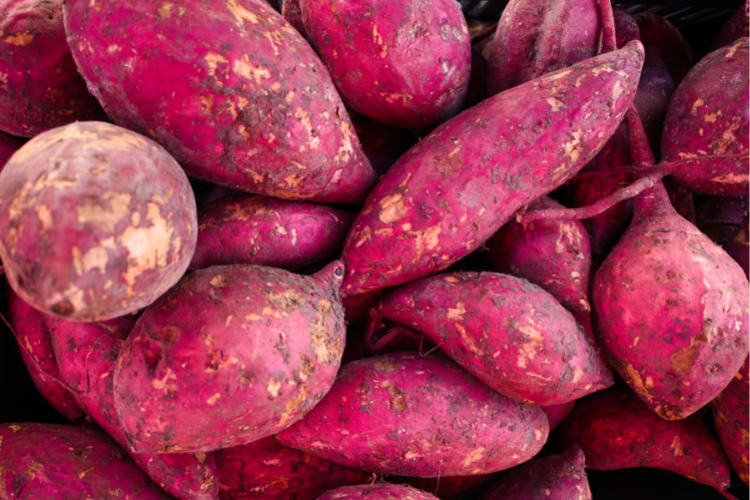
Varieties of Sweet Potatoes

  • Yam
  • Beauregard
  • Garnet
  • Jewel
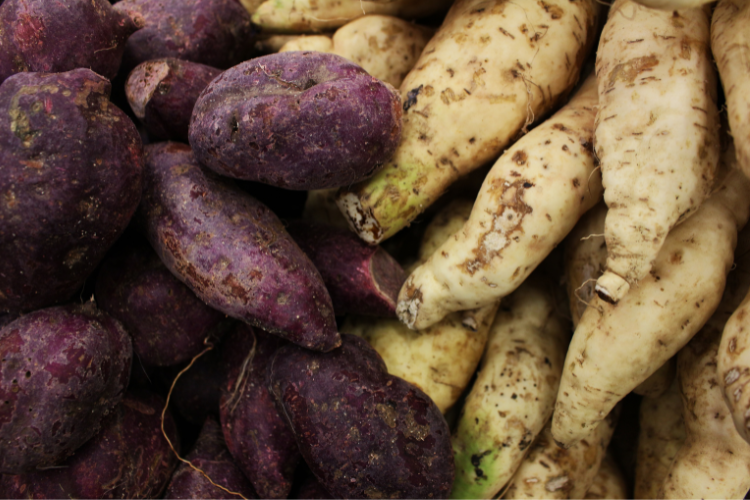
  • White Sweet Potato
  • Purple Sweet Potato
  • Okinawan Sweet Potato
  • Hannah Sweet Potato
  • Covington Sweet Potato
  • Red La Soda
sweet potato calories

Sweet Potatoes Storage & Safety Info

  • When storing sweet potatoes, keep them in a cool, dark place. Sweet potatoes can last up to two weeks when stored properly. If you are not going to eat them within this time frame, you can freeze them for up to six months.
  • Sweet potatoes are safe to eat when cooked properly. However, if they are not cooked properly, they can be a source of food poisoning. Sweet potatoes should be cooked until they are soft all the way through. Do not eat sweet potatoes that are hard or have green spots.
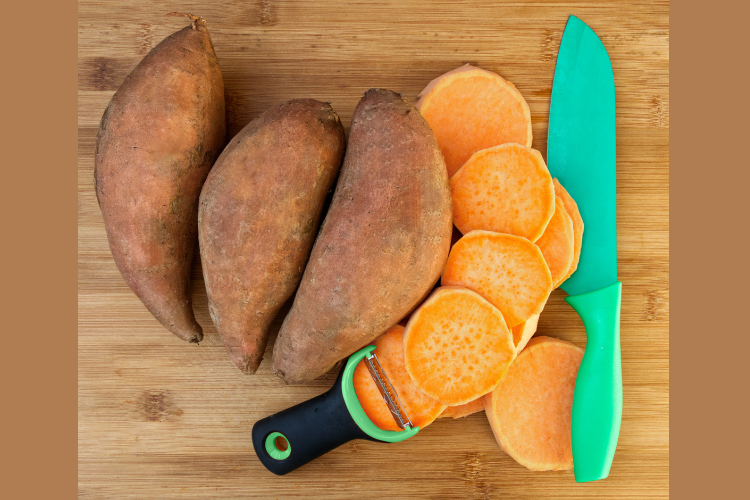
  • When cooking sweet potatoes, you can boil them, bake them, or fry them. Boiling and baking are the healthiest methods of cooking sweet potatoes. frying them can add extra calories and fat.

Best Season to Buy Sweet Potatoes

Sweet potatoes are available year-round. However, they are typically in season from October to March. Sweet potatoes that are in season tend to be more affordable and have a better flavor.

Side Effects of Sweet Potatoes

There are no known side effects of eating sweet potatoes. However, as with any food, it is possible to have an allergy to sweet potatoes. If you experience any symptoms after eating sweet potatoes, such as itching, swelling, or difficulty breathing, seek medical attention immediately.

Summary
sweet potatoes for weight loss

Sweet potatoes are a nutritious food that can be enjoyed as part of a healthy diet. They are low in calories and fat, and they contain fiber, vitamins, and minerals. Sweet potatoes also have a low glycemic index, which means they won’t cause blood sugar spikes. Additionally, sweet potatoes contain antioxidants that can help to protect against cell damage.

If you are trying to lose weight, it is important to limit your intake of sweet potatoes. When cooking sweet potatoes, boiling and baking are the healthiest methods of cooking. Sweet potatoes are available year-round, but they are typically in season from October to March.

How Many Calories in 1 Cheese Slice?


If you’re following a keto diet, then you probably already know that cheese is a great source of both protein and fat. But you may be wondering how many calories are in a single slice of cheese. After all, even though cheese is a healthy food, it’s still important to watch your calorie intake.

On average, a slice of cheese contains about 100 calories. However, this number can vary depending on the type of cheese and the brand. For example, a slice of cheddar cheese from Kraft contains 110 calories, while a slice of cheddar cheese from Sargento only has 80 calories. So if you’re trying to watch your calorie intake, it’s important to check the nutrition label before you buy.

cheese slice calories

In addition to calories, cheese also contains fat and protein. A slice of cheddar cheese from Kraft contains 9 grams of fat and 6 grams of protein, while a slice of cheddar cheese from Sargento contains 5 grams of fat and 7 grams of protein. So if you’re trying to increase your protein intake, Sargento cheese is a better option. However, if you’re trying to increase your fat intake, Kraft cheese is a better option.

Cheese FAQs

How Many Calories are in 1 Slice of Cheese?

There are approximately 80-100 calories in one slice of cheese. This will depend on the type and size of the slice, as well as the fat content of the cheese. Harder, aged cheeses tend to have fewer calories than softer cheeses. One ounce of cheddar cheese, for example, has about 114 calories.

What is the Nutritional Value of Cheese?

Cheese is a good source of protein and calcium. It also contains vitamins A, B2, B12, and several other minerals. The fat content in cheese varies depending on the type, with some cheeses being higher in fat than others. For example, cheddar cheese has about 9 grams of fat per ounce, while mozzarella has about 6 grams.

How Many Calories are in a Grilled Cheese Sandwich?

A grilled cheese sandwich typically has two slices of bread and one or two slices of cheese. If each slice of bread has about 70 calories and each slice of cheese has 80-100 calories, then a grilled cheese sandwich would have a total of 230-280 calories. This number will change depending on the ingredients used and the size of the sandwich.

Is Cheese Good for Weight Loss?

Cheese can be part of a healthy diet for weight loss. It is a good source of protein and calcium, which can help you feel full and satisfied after eating. Additionally, the fat content in cheese can help you reach your daily fat intake goals. However, it’s important to choose low-fat or reduced-fat cheeses to limit your calorie intake.

Conclusion

cheese and keto diet

As you can see, the number of calories in a single slice of cheese can vary depending on the type of cheese and the brand. However, on average, a slice of cheese contains about 100 calories. Cheese is also a good source of both protein and fat. So if you’re following a keto diet, be sure to include cheese in your daily meals. Thanks for reading!

Calories in Grapefruit: The Truth About it!


Most people know that grapefruits are a healthy snack, but many don’t realize just how good they are. Grapefruits are low in calories and high in nutrients, making them a perfect food for weight loss or overall health. In fact, eating grapefruit can help you lose weight, lower your cholesterol, and improve your overall health.

grapefruit calories

How Many Calories in Grapefruit?

One cup of grapefruit contains only about 50 calories, making it a great low-calorie snack. Grapefruits are also high in fiber and water, both of which help you feel full and satisfied after eating. Additionally, grapefruits are a good source of vitamins C and A, two essential nutrients for overall health.

Grapefruit Nutrition Facts

One cup of grapefruit contains:

  • 50 calories
  • 1 gram of fat
  • 0 grams of saturated fat
  • 9 grams of sugar
  • 2 grams of protein
  • 3 grams of fiber
  • 79% of the daily recommended value of vitamin C
  • 17% of the daily recommended value of vitamin A
  • 8% of the daily recommended value of potassium

Health Benefits of Grapefruit

Grapefruit and Weight loss

Grapefruit is a great addition to any weight loss diet. It is low in calories and high in fiber, which helps keep you feeling full longer. Additionally, grapefruit contains a compound called naringin, which has been shown to boost metabolism and help burn fat. So, if you’re looking to slim down, add some grapefruit to your diet!

Grapefruit for Heart Health

Grapefruit is also good for your heart. The potassium in grapefruit helps keep blood pressure in check, while the soluble fiber helps lower cholesterol levels. Additionally, the antioxidants in grapefruit can help reduce inflammation and prevent the development of heart disease. So, if you’re looking to keep your heart healthy, add some grapefruit to your diet!

Grapefruit Improves Overall Health

Grapefruits are a good source of vitamins C and A, two essential nutrients for overall health. Vitamin C helps boost the immune system, while vitamin A is important for vision, bone health, and reproductive health.

Grapefruit Reduces Inflammation

The antioxidants in grapefruits can help reduce inflammation throughout the body. Additionally, the essential oils in grapefruits have anti-inflammatory properties.

Grapefruit Prevents Cancer

The antioxidants in grapefruit may also help protect cells from damage and prevent the development of cancer. One compound in particular, limonene, has been shown to kill cancer cells in test-tube studies. Additionally, a compound called naringin can help boost the immune system and protect cells from damage. While more research is needed, grapefruit may be a helpful addition to your diet if you’re looking to reduce your risk of cancer.

Grapefruit Boosts the Immune System

The vitamin C in grapefruits helps boost the immune system, making it easier for your body to fight off infections. Additionally, the antioxidants in grapefruits can help reduce inflammation and improve overall health, both of which contribute to a strong immune system.

Grapefruit is Good for Skin

The antioxidants in grapefruit can help protect cells from damage and prevent the development of wrinkles and other signs of aging. Additionally, grapefruit essential oil has antimicrobial properties that can help keep the skin clean and clear. Grapefruit also contains a variety of vitamins and minerals that are essential for healthy skin.

Grapefruit is Good for Hair

Grapefruit is a good source of vitamin C, which is important for collagen production. Collagen is a protein that helps keep hair strong and healthy. Additionally, the antioxidants in grapefruit can help protect cells from damage and prevent the development of split ends. Grapefruit also contains a variety of vitamins and minerals that are essential for healthy hair.

Grapefruit and Diabetes

Grapefruit may also help regulate blood sugar levels in people with diabetes. A compound in grapefruit called naringin can help improve insulin sensitivity and reduce blood sugar levels. Additionally, the fiber in grapefruit helps slow down the absorption of sugar, keeping levels steady throughout the day. If you have diabetes, talk to your doctor about adding grapefruit to your diet.

Side Effects of Grapefruit

  • Interactions with medications: Grapefruit can interact with certain medications, including statins, blood pressure medications, and some antidepressants. These interactions can cause serious side effects, so it’s important to speak to your doctor before eating grapefruit if you are taking any medications.
  • Allergies: Some people may be allergic to grapefruit. Symptoms of an allergy include itching, swelling, and difficulty breathing. If you experience any of these symptoms after eating grapefruit, seek medical attention immediately.
  • Digestive issues: Grapefruit can cause digestive issues in some people, including heartburn, indigestion, and diarrhea. If you experience any of these symptoms after eating grapefruit, try avoiding it or speak to your doctor about other options.
  • Pregnancy: Grapefruit is generally considered safe for pregnant women, but there is some evidence that it may interact with certain medications. If you are pregnant, speak to your doctor before eating grapefruit.
  • Grapefruit juice: Grapefruit juice is generally safe to consume, but it can interact with some medications. If you are taking any medications, speak to your doctor before drinking grapefruit juice.

Varieties of Grapefruit

There are many different varieties of grapefruit, including pink, white, and red. Each variety has its own unique flavor, so try a few to find your favorite!

  • Pink grapefruit is the sweetest variety of grapefruit. It has a delicate flavor with hints of strawberry and peach.
  • White grapefruit is the tartest variety of grapefruit. It has a sour flavor with hints of lemon and lime.
  • Red grapefruit is the spiciest variety of grapefruit. It has a bitter flavor with hints of chili pepper and ginger.

Grapefruit storage and safety Info

  • Grapefruit can be stored at room temperature for up to 2 weeks. For optimal freshness, store in the refrigerator for up to 4 weeks.
  • When cutting grapefruit, it is important to use a sharp knife and avoid touching the pulp with your hands. The oils in grapefruit can cause skin irritation.
  • To avoid bittersweet grapefruit, avoid storing in direct sunlight or near heat sources.

Best season to Buy Grapefruit

Grapefruit is in season from October to April. However, it is typically at its peak from February to March.

calories in grapefruit

Conclusion

Grapefruit is a delicious and nutritious fruit that provides numerous health benefits. It is low in calories and high in fiber, which makes it a great addition to any weight loss diet. Additionally, grapefruit contains compounds that can help regulate blood sugar levels, boost metabolism, and kill cancer cells.

Nutrients in Ground Beef & Health Benefits


Ground beef is a versatile and affordable option for many meals. It is a good source of protein, several vitamins and minerals, including iron, zinc, and vitamin B12, but it can also be high in fat and cholesterol. Here’s a look at the nutrition facts for ground beef, as well as some tips on how to choose leaner options.

nutrients in ground beef

Nutrition Facts about Ground Beef

A 3-ounce serving of cooked ground beef contains about

  • Protein: 21 grams
  • Fat: 10 grams of fat (with about 3 grams of saturated fat)
  • Cholesterol: 75 milligrams
  • Carbs: 0
  • Sodium: 75 milligrams
  • Fiber: 0

Health Benefits of Ground Beef

Ground Beef and Immune System

Ground beef is a good source of several vitamins and minerals that are important for maintaining a healthy immune system. These include zinc, selenium, and vitamin B6.

Zinc plays a role in immune function and helps the body fight off infection. Selenium is an antioxidant that helps protect cells from damage. Vitamin B6 is needed for the production of antibodies, which help the body fight infection.

Ground Beef and Muscle Maintenance

Ground beef is a good source of protein, which is important for muscle maintenance. Protein helps repair and build muscle tissue. It also helps maintain muscle mass as we age. A 3-ounce serving of ground beef contains about 21 grams of protein.

Ground Beef and Heart Health

The nutrients in ground beef can also support heart health. Ground beef is a good source of iron, which is needed for red blood cell production. Red blood cells carry oxygen to the body’s tissues. Iron also helps prevent anemia, a condition that can cause fatigue and weakness.

Ground Beef and Red Blood Cells

Ground beef is a good source of iron, which is needed for red blood cell production. Red blood cells carry oxygen to the body’s tissues. Iron also helps prevent anemia, a condition that can cause fatigue and weakness.

Ground beef is also a good source of vitamin B12. This vitamin is important for the production of red blood cells and the maintenance of the nervous system. Vitamin B12 deficiencies can cause anemia and nerve damage.

Ground Beef and Pregnancy

Ground beef is a good source of several nutrients that are important for pregnant women, including iron, zinc, and vitamin B12. These nutrients are important for fetal development and prevent birth defects.

Burger Calories

A burger made with ground beef has about 300 calories. The exact number of calories will depend on the size and ingredients of the burger.

Ground Beef Side Effects

Ground beef can have some potential side effects, as summarized.

Allergies: People who are allergic to beef may experience symptoms such as hives, swelling, and difficulty breathing after eating ground beef.

Cholesterol: The cholesterol in ground beef can contribute to heart disease. A 3-ounce serving of cooked ground beef contains about 75 milligrams of cholesterol.

Sodium: The sodium content in ground beef can contribute to high blood pressure. A 3-ounce serving of cooked ground beef contains about 75 milligrams of sodium.

Fat: The fat content in ground beef can contribute to obesity and heart disease. A 3-ounce serving of cooked ground beef contains about 9 grams of fat.

Cancer: Some studies have shown that eating ground beef can increase the risk of certain types of cancer, such as colon cancer. The fat and cholesterol in ground beef may contribute to these increased risks.

Ground Beef Varieties

There are many different types of ground beef. It can be ground with different fat contents, such as:

  • 80/20 Ground Beef has 80% lean meat and 20% fat.
  • 90/10 Ground Beef has 90% lean meat and 10% fat.

It can also be labeled as ground chuck, ground round, or ground sirloin. These labels indicate the type of beef that was used to make the ground beef.

  • Chuck: Ground chuck is made from the shoulder area of the cow and has a higher fat content than other types of ground beef.
  • Round: Ground round is made from the rear end of the cow and has a lower fat content than other types of ground beef.
  • Sirloin: Ground sirloin is made from the middle area of the cow and has a moderate fat content.

What Ground Beef Should I Look For?

ground beef facts
  • When choosing ground beef, look for options that are labeled “lean” or “extra-lean.” These options have less than 10 grams of fat per 3-ounce serving.
  • Ground beef that is labeled “grass-fed” may have a different nutrient profile than ground beef that is not grass-fed. Grass-fed beef may contain more omega-3 fatty acids than other types of ground beef.
  • When choosing ground beef, look for ground beef that is bright red in color and has a small amount of fat. Avoid ground beef that is brown or gray in color, as this may indicate that the beef is not fresh.

How to Store Ground Beef?

Ground beef can be stored in the refrigerator for one to two days. It can also be frozen for up to four months. To freeze ground beef, place it in a freezer-safe container or wrap it in freezer-safe wrap.

How to Prepare Ground Beef?

Ground beef can be cooked using many different methods, such as grilling, frying, or baking. It can also be used in a variety of recipes, such as burgers, meatloaf, and tacos.

When cooking ground beef, it is important to cook it thoroughly to reduce the risk of foodborne illness. Ground beef should be cooked to an internal temperature of 160 degrees Fahrenheit. Use a food thermometer to check the temperature of the meat.

Conclusion

ground beef nutrients

Ground beef is a type of beef that has been ground or minced. It is a versatile ingredient that can be used in a variety of recipes. Ground beef can be made from different cuts of beef and has different fat contents. It is important to cook ground beef thoroughly to reduce the risk of foodborne illness.

Is Carnitas Keto? All You Need to Know about Carnitas


The keto diet is all about eating healthy fats, moderate amounts of protein, and very few carbs. But does that mean you have to give up your favorite Mexican foods? Absolutely not! In this post, we’ll explore whether Carnitas Dish is keto-friendly and how you can enjoy it as part of your diet.

What is Carnitas Dish?

Carnitas is a traditional Mexican dish made by slow-cooking pork in lard until it’s nice and tender. The cooked pork is then shredded and typically served with tortillas, salsa, guacamole, and other toppings.

carnitas keto

Is Carnitas Keto- Friendly?

Unfortunately, Carnitas is not keto friendly. A typical serving of Carnitas (about 1/2 cup) contains approximately 9 grams of carbs. That may not seem like a lot, but when you consider that the keto diet recommends you consume no more than 50 grams of carbs per day, it’s easy to see how Carnitas can quickly throw you off track.

How to Make Carnitas Keto-Friendly?

If you’re craving Carnitas but don’t want to compromise your diet, there are a few ways you can make them keto-friendly. First, you can ditch the tortillas and enjoy your Carnitas on a bed of lettuce or cauliflower rice. You can also skip the salsa and guacamole (which are both high in carbs) and top your Carnitas with shredded cheese, sour cream, and jalapenos instead.

is carnitas keto

Carnitas Keto-Friendly Recipe

Carnitas are a delicious and traditional Mexican dish, but they are not keto-friendly. This recipe for Carnitas Keto-Friendly will help you enjoy this dish without compromising your diet.

Carnitas Ingredients

  • 1 pound boneless pork loin, trimmed and cut into 1-inch cubes
  • 1 tablespoon olive oil
  • 1 onion, diced
  • 4 cloves garlic, minced
  • 2 teaspoons chili powder
  • 1 teaspoon cumin
  • 1 teaspoon salt
  • 1/2 teaspoon black pepper
  • 1 cup chicken broth

Cooking Carnitas

  • In a large bowl, toss the pork cubes with olive oil, onion, garlic, chili powder, cumin, salt, and black pepper.
  • In a slow cooker, combine the pork mixture and chicken broth. Cook on low for 6-8 hours or on high for 3-4 hours.
  • When Carnitas is done cooking, shred the pork with a fork or chop it into small pieces. Serve on a bed of lettuce or cauliflower rice and top with shredded cheese, sour cream, and jalapenos (if desired).

How to Store Pulled Pork Carnitas?

Carnitas will last in the fridge for 3-4 days or in the freezer for 2-3 months. Be sure to store them in an airtight container.

Conclusion

carnitas and keto

If you’re following a keto diet, the Carnitas dish is probably not something you should be including in your meal plan. However, there are a few ways you can make them keto-friendly so you can still enjoy them occasionally without throwing off your diet. Just ditch the tortillas and opt for lettuce or cauliflower rice instead, and skip the high-carb toppings like salsa and guacamole in favor of shredded cheese, sour cream, and jalapenos.

Spinach Nutrition: All What You Need to Know About Spinach!


Popeye the Sailor Man was on to something when he ate spinach for strength – this leafy green vegetable is packed with nutrients and health benefits! Let’s explore everything you need to know about spinach, including its nutrition, health benefits, and different ways you can incorporate it into your diet.

spinach calories

Spinach a Superfood!

One cup of raw spinach contains only 7 calories, but it is a great source of vitamins and minerals, including vitamin C, vitamin K, folic acid, and iron. Additionally, spinach is a good source of fiber and protein. The many nutrients in spinach offer a variety of health benefits. For example, the high levels of vitamin E and folic acid in spinach promote a healthy immune system, while the potassium in spinach can help regulate blood pressure. Additionally, the antioxidants in spinach may help protect against cancer and reduce inflammation. Spinach also improves vision, since it contains vitamins A, B6, and E.

Spinach Nutrition Facts

1 cup (30 grams) of raw spinach contains:

  • Calories: 7
  • Protein: 1 gram
  • Carbs: 1 gram
  • Fiber: 0.7 grams
  • Vitamin A: 24% of the Reference Daily Intake (RDI)
  • Vitamin K: 106% of the RDI
  • Vitamin C: 14% of the RDI
  • Vitamin E: 2% of the RDI
  • Folic acid: 14% of the RDI
  • Iron: 3% of the RDI
  • Calcium: 2% of the RDI
  • Potassium: 5% of the RDI

Spinach and Kidney Stones

There is some evidence that spinach may help to prevent kidney stones. A study published in The Journal of Urology found that eating spinach may help to inhibit the growth of calcium oxalate crystals, which are a major component of kidney stones. Additionally, the high levels of magnesium in spinach can also help to prevent kidney stones.

Spinach and Bone Health

A study published in The American Journal of Clinical Nutrition found that eating spinach may help to increase bone mineral density. The iron and calcium in spinach can help to strengthen bones and prevent osteoporosis.

Spinach and Diabetes

Eating spinach may also help to prevent or manage diabetes. A study published in The Journal of Nutrition found that the magnesium in spinach can help to regulate blood sugar levels. Additionally, the fiber in spinach can help to slow the absorption of sugar, which can help to keep blood sugar levels stable.

Ways to Incorporate Spinach into Your Diet

There are many different ways you can incorporate spinach into your diet. One easy way is to add it to a salad. Another way is to use it as a base for a smoothie or juice. Additionally, you can cook spinach and add it to pasta dishes, omelets, or quesadillas. You can also use spinach as wraps or in sandwiches. However, you choose to eat it, incorporating spinach into your diet is a great way to improve your overall health!

calories in spinach

Spinach and Heart Health

The nutrients in spinach may also help to improve heart health. A study published in The American Journal of Clinical Nutrition found that eating spinach may help to lower blood pressure. Additionally, the folate in spinach can help to reduce the risk of heart disease.

Spinach and Skin Health

Spinach is also a good source of vitamins A and C, which are important for skin health. These vitamins can help to protect the skin from damage and keep healthy skin.

Spinach and Digestive Health

The fiber in spinach can also help to improve digestive health. Fiber helps to add bulk to stool and can help to prevent constipation. Additionally, the nutrients in spinach can help to protect the digestive tract from damage.

Spinach and Cancer Prevention

Spinach contains antioxidants which may also help to protect against cancer. A study published in The Journal of Agriculture and Food Chemistry found that the antioxidants in spinach can help to inhibit the growth of cancer cells. Additionally, the folate in spinach can help to reduce the risk of colorectal cancer.

Spinach for Iron Deficiency

Suffering from iron deficiency? Adding spinach to your diet could help. Spinach is a good source of iron, which is important for the production of hemoglobin. Hemoglobin helps to carry oxygen in the blood. Additionally, the folic acid in spinach can help to prevent anemia.

Spinach and Weight Loss

If you are trying to lose weight, adding spinach to your diet can help. Spinach is low in calories and high in fiber, which can help you feel fuller longer. Additionally, the nutrients in spinach can help to boost metabolism and burn fat.

Spinach and Kidney

There is some evidence that spinach may help to prevent kidney stones. A study published in The Journal of Urology found that eating spinach may help to inhibit the growth of calcium oxalate crystals, which are a major component of kidney stones. Additionally, the high levels of magnesium in spinach can also help to prevent kidney stones.

Spinach and Bone Health

A study published in The American Journal of Clinical Nutrition found that eating spinach may help to increase bone mineral density. The iron and calcium in spinach can help to strengthen bones and prevent osteoporosis.

Spinach Storage and Safety

It is important to store fresh spinach properly to ensure that it stays fresh. Spinach should be stored in the refrigerator in a plastic bag. It is also important to wash spinach before you eat it to remove any dirt or bacteria. When cooking spinach, it is important to cook it thoroughly to kill any harmful bacteria.

Canned spinach is a convenient option, but it is important to choose a product that is low in sodium. It is also important to drain and rinse canned spinach before eating it.

Spinach vs other Leafy Greens

Spinach is a nutrient-dense food, which means it contains a lot of nutrients for its calorie content. When compared to other leafy greens, spinach is a good source of vitamins A and C, iron, and calcium. However, other leafy greens such as kale and Swiss chard contain more vitamins and minerals than spinach.

Varieties of Spinach

Spinach is available year-round, but it is in season in the spring. There are many different varieties of spinach, including flat leaf and curly leaf. Baby spinach is a popular type of spinach that is milder in flavor than other types of spinach.

Three Types of Spinach

Horticultural spinach: This type of spinach is grown for its leaves and has a mild flavor.

Savoy spinach: This type of spinach has crinkly leaves and a slightly bitter flavor.

Semi-savoy spinach: This type of spinach has smooth leaves and a mild flavor.

Spinach Nutrition

How to Enjoy Spinach?

Cooked spinach can be used in a variety of recipes, such as soups, stews, casseroles, and quiches. It can also be sautéed or added to smoothies.

Raw spinach can be used in salads or as a garnish. It can also be juiced or blended into smoothies.

spinach and keto diet

Bottom Line

Spinach is a nutrient-dense food that contains vitamins, minerals, antioxidants, and fiber. Eating spinach may help to improve health in many ways including improving bone health, preventing diabetes, and reducing the risk of cancer. Spinach is easy to add to the diet and can be enjoyed fresh, cooked, or canned.