Recent Posts

Is Lemon Keto? Carbs and Calories in Lemon


lemon calories

Lemons are a refreshing fruit packed with antioxidants, vitamin C and calcium.  This bright yellow fruit is so versatile, it has a number of culinary and medicinal uses. 

Whether you use lemons to make lemonade, flavor tea or squeeze over fish and salads, they offer some amazing health benefits… Not only do they reduce cancer risk, they also support the health of your heart and digestive system. 

What’s more, the many plant compounds, minerals, and essential oils in lemons also help with weight control. This sour citrus fruit can optimize your diet and give your overall health a boost.   

So keep reading to find out why you need more lemons in your life.

Is Lemon Keto Friendly?

Those following the Ketogenic diet will be pleased to hear that lemons are on the list of Keto-approved fruits.  These tart citrus fruits are low in sugar and are a safe choice for low carb followers. 

The amount of carbs in a wedge of lemon (or lime) is pretty negligible – less than half a gram.  Because of its sour taste, most people aren’t going to sit down and eat a whole lemon like they would most other fruits.  

Many folks prefer to flavor their water or tea with lemon and if you’re one of those people, you can rest assured that this habit won’t throw your body out of ketosis.  

How Many Carbs are in a Lemon?

  • A full lemon contains 6.4 grams of net carbs.
  • One lemon wedge (approximately an 8th of a lemon) contains 0.4 grams of net carbs.
  • A full cup of lemon juice contains 16 grams of carbs.
  • A tablespoon of lemon juice contains 1 gram of carbs.

How Many Calories are in a Lemon?

  • A full lemon contains 24 calories
  • One lemon wedge (approximately an 8th of a lemon) contains only 2 calories.
  • A full cup of lemon juice contains 53 calories.
  • A tablespoon of lemon juice contains 4 calories.

Health Benefits of Lemon

lemon keto

Powerhouse of Antioxidants

Lemons contain important antioxidants that each work in different ways to support your organs and overall health in the following ways: 

  • Hesperidin strengthens blood vessels and prevents the build-up of plaque in the arteries. 
  • Diosmin builds muscle and reduces inflammation in the blood vessels. 
  • Eriocitrin is a powerful compound believed to have ant-diabetic and anti-tumor, antiviral, and anti-inflammatory properties. 
  • D-limonene can prevent heartburn and acid reflux.

Supports Heart Health

A lemon contains half of your daily recommended intake of vitamin C, an essential nutrient that can lower your risk of heart disease and stroke.  The fiber and plant compounds in lemons can significantly lower the risk of heart disease and also improve cholesterol levels. 

Healthy Kidneys

Because citric acid increases the pH of your urine, consuming foods with high levels of citric acids (like lemons) creates a less-favorable environment for the formation of kidney stones.

Prevent Anemia

Not only are lemons a good source of iron, eating them also improves your absorption of iron from other foods in your diet, helping to prevent iron deficiency.

Anti-Cancer Properties

Various animal studies determined that eating citrus fruits, including lemons, lowers the risk of cancer.  Compounds in lemons killed cancer cells in test tube studies.  It is believed that the antioxidants limonene and naringenin could have anti-cancer effects. However, more research on humans is needed to verify these conclusions.

Aids Digestion

Lemons contain soluble fiber that helps to improve your digestive system.  Pectin, the main fiber in lemons is a soluble fiber associated with improved gut health.  Pectin also slows the digestion of sugars and starches to prevent spikes in blood sugar.

Interesting Uses for Lemon

  • Gargle with lemon juice and water to prevent bad breath or to treat a sore throat.
  • Make a hair rinse with lemon juice and water to give your hair added luster and shine.
  • Use lemon to polish copper pots, pans and silverware.
  • Use lemon juice to polish jewelry.
  • Remove stains from surfaces like countertops and walls with lemons.
  • Use lemons to clean your coffee pot and tea kettle.
  • Use lemon for its antibacterial properties to wipe down cutting boards.
  • Deodorize the microwave or garbage disposal with lemon.
  • Make your white shirts whiter by using lemon on sweat stains.
  • Get rid of garlic, fish or onion odor from your hands or cutting board with lemon.
  • Use lemon with salt to remove rust from metals or your vehicle’s alloys.

Lemon Side Effects

Lemons are usually well tolerated but may cause allergies or skin irritation in some people. Large amounts may be harmful to dental health.

Nutrition Facts of Lemon

Amount:  1 Lemon (84 grams)
Calories 24
Total Fat 0.3 grams 0%
Saturated fat 0 grams 0%
Polyunsaturated fat 0.1 grams
Monounsaturated fat 0 grams
Cholesterol 0 milligrams 0%
Sodium 1.7 milligrams 0%
Potassium 115.9 milligrams 3%
Total Carbohydrate 8 grams 2%
Dietary fiber 2.4 grams 9%
Sugar 2.1 grams
Protein 0.9 grams 1%
Vitamin A 0% Vitamin C 74%
Calcium 2% Iron 2%
Vitamin D 0% Vitamin B-6 5%

Lemon Drop Martini

A lemon drop is a vodka-based cocktail that has a lemony, sweet and sour flavour.  It is made in a cocktail shaker with ice.  Just add equal parts of vodka, triple sec, and lemon juice and then strain into a shot glass. 

Those following a low carb diet should note that triple sec contains 11 grams of carbs per ounce and 100 calories.  You can omit this ingredient to keep it Keto and sweeten your drink with a sugar-free sweetener instead.

Lime Versus Lemon

carbs green lemon

Besides color, you may be wondering, what’s the difference between a lemon and a lime?  Although limes are closely related to lemons, they taste less sweet and are slightly higher in carbs.  Lemons tend to be sweeter. For this reason, lemons and limes are used differently in the culinary world.  Typically lemons are used in sweeter dishes and more so in desserts, while limes in dishes that are meant to be sour.  Although they have two distinct flavor profiles, they share many of the same nutrients and health benefits as they’re very similar in their nutritional makeup.

Keto Lemon Cake Recipe

Ingredients:

  • 5 eggs, room temperature
  • 3/4 cup sugar free granulated sweetener
  • 1/2 cup melted coconut oil or melted butter
  • 1 and 1/2 cups almond flour  
  • 3/4 cup coconut flour  
  • 1 tablespoon baking powder
  • 1/4 cup lemon juice  
  • 1/2 teaspoon vanilla
  • 1/2 tablespoon lemon zest

For the Glaze:

  • 1 cup powdered sweetener
  • 2 tablespoons lemon juice

Instructions:

  1. Preheat oven to 350 Fahrenheit. Line a 9 inches x 5 inches loaf pan with parchment paper.  
  2. In a large bowl, whisk together eggs, sugar free granulated sweetener, melted coconut oil (or butter), vanilla, and lemon juice. (Cool the oil or butter first before adding eggs to make sure the egg doesn’t cook in the bowl and create lumps.)
  3. In a different bowl, whisk together the almond flour, coconut flour and baking powder until dry ingredients are well-combined.
  4. Add the liquid ingredients to the dry ingredients, stirring together until it forms a smooth, lump-free batter.
  5. Pour the cake batter into the baking pan.  Bake at 320 degrees for an hour.  If the top starts to brown, you can cover it with foil to avoid burning.  Insert a toothpick into the center of the cake to make sure it’s fully cooked through.
  6. Fully cool before attempting to remove cake from pan.
  7. Transfer to a cooling rack to cool completely before glazing.  (Do not glaze while it’s hot, or the glaze will melt and drip right off!)

Popular Dishes That Use Lemon

A popular dish called lemon chicken is made by roasting the chicken together with lemon. 

Fish and seafood, like shrimp, crab and lobster can also be grilled with lemon or lemon wedges can be squeezed over the prepared dish. 

Lemon is added to salads, like Caesar salad and tabbouleh (parsley salad).  Squeezing lemon on salad is also a great way to add flavor without adding many calories.

Lemon also is used in baked goods and desserts, like squares, cakes or meringue pie.  Lemon pairs well with blueberries and raspberries. 

Use lemons to make lemonade, flavor tea or add it to cocktails. 

Related Questions:

Can Lemons Help With Weight Loss?

Animal studies show that lemon extract and plant compounds may promote weight loss, but the effects in humans are unknown.  One study conducted on mice in Japan reported that mice fed with lemon polyphenols suppressed weight gain and body fat accumulation.

The flavonoids in lemons are important natural compounds with diverse biologic activities. Citrus flavonoids were found to display strong anti-inflammatory and antioxidant activities. 

Another study looked at the effect of lemons on metabolic syndrome and found that naringin supplementation is beneficial for the treatment of obesity, diabetes, hypertension, and metabolic syndrome. 

It is believed that lemons have a positive effect on lipid metabolism in obesity, oxidative stress, and inflammation in the context of metabolic syndrome in animals.  More human studies are needed however to conclude these findings.

Are Apricots Keto? Carbs and Calories in Apricots


apricots keto

Apricots are a wonderful addition to your meal plan. This sweet summer fruit is very versatile – enjoy it as a snack, add apricot slices to Greek yogurt and salads. 

You can add apricots to your dishes, stew them with meats or use them to make homemade jam, salsa and a variety of desserts.  

Did you know adding apricots to your diet can help you shed the pounds?  Keep reading to find out this amazing fruit can actually suppress your appetite and ultimately help you lose weight.

Are Apricots Keto Friendly?

If you’re searching for a keto-friendly fruit, apricots make a great choice. One raw apricot contains just 4 grams of carbs, 1 gram of fiber, and only 3 grams of natural sugars.  However, you may wish to avoid dried apricots as they are significantly higher in carbs and calories.

How Many Carbs are in Apricots?

Fresh: One whole apricot contains 4 grams of net carbs.

Dried: A 100 gram serving of dried apricot halves contains a staggering 83 grams of carbs.

How Many Calories are in Apricots?

Fresh:  One whole apricot contains 17 calories.

Dried:  A 100 gram serving of dried apricot halves contains 320 calories. 

Nutrition Facts

Serving: 1 apricot (35 grams)
Calories 17
Total Fat 0.1 grams 0%
Saturated fat 0 grams 0%
Polyunsaturated fat 0 grams
Monounsaturated fat 0.1 grams
Cholesterol 0 milligrams 0%
Sodium 0.4 milligrams 0%
Potassium 90.6 milligrams 2%
Total Carbohydrate 3.9 grams 1%
Dietary fiber 0.7 grams 2%
Sugar 3.2 grams
Protein 0.5 grams 1%
Vitamin A 13% Vitamin C 5%
Calcium 0% Iron 0%
Vitamin D 0% Vitamin B-6 0%
Cobalamin 0% Magnesium 0%

Health Benefits of Apricots

apricots calories

Overview

Apricots are low in calories and very hydrating with a high water content. They contain many essential vitamins and minerals, including powerful antioxidants that help prevent disease.  The fruit offers many health benefits, such as improved digestion and gut health.  Apricots also promote healthy vision and protect your liver from oxidative stress.

Rich in Antioxidants

Apricots contain powerful antioxidants like beta carotene, lutein, and zeaxanthin, all of which help fight free radicals in your body.

Supports Healthy Eye Sight

Apricots are an excellent source of beta carotene, lutein, zeaxanthin, and vitamins C and E, nutrients that protect your eye sight.

Healthy Skin

Apricots are naturally high in antioxidants, which protect your cells against free radicals and environmental damage from pollutants. These antioxidants will keep your skin looking youthful by protecting against UV rays, preventing wrinkles and slowing the signs of aging.

Improves Gut Health

Apricots are a good source of soluble fiber, a type of fiber that feeds your healthy gut bacteria and improves digestion.

Good Source of Potassium

Potassium aids muscle contractions, nerve function and fluid balance.  Due to their high potassium content, apricots may help prevent high blood pressure and reduce your risk of heart disease.

Helps Hydrate the Body

Because apricots have a high water content, eating them can help you stay hydrated. Proper hydration is a key component for optimum health by stabilizing blood pressure and heart rate.

Protects the Liver

Studies on mice determined that apricots may be instrumental in protecting the liver from oxidative stress, however, more human studies are required to confirm these findings.

Apricots Versus Peaches – What’s the Difference?

Apricots and peaches are two stone fruits that look similar but differ in flavor and feel. Peaches have a fuzzy skin while the skin of apricots is smooth to the touch.  Peaches are a sweeter tasting fruit and apricots have a tarter flavor. Whichever you choose, both fruits are good for you and offer essential vitamins and minerals.

Although peaches and apricots are different fruits, peaches and nectarines are technically from the same species.  Peaches can be distinguished from nectarines because they have a fuzzy coating, whereas nectarines are smooth. 

Popular Desserts Using Apricots

dried apricots carbs

Some popular desserts using apricots include:

  • Grilled apricots a la mode (served with vanilla ice cream).
  • Apricot crumble
  • Apricots poached in Grand Marnier or Amaretto
  • Apricot Compote with Yogurt
  • Apricot cakes and tarts.
  • Apricot Sorbet

Keep it Keto by using almond flour and sugar-free sweetener in your desserts and baked goods instead of using wheat flour and sugar.  If you use a liqueur in your apricot desserts, make sure to measure out a moderate amount as this can add a significant amount of sugar and carbs.

Carbs in Apricot Jam

One tablespoon of apricot jam contains 13 grams of carbs and 49 calories.

Carbs in Dried Apricots

The carb content of dried apricots is much higher per serving (about 29 grams per 5 dried apricot halves), so choose fresh apricots over dried while following the Keto diet.

Keto Apricot Chicken Recipe

Ingredients:

  • 6  chicken pieces (breasts, thighs or drumsticks)
  • 1/3 cup mayonnaise
  • 1/3 cup sugar free apricot preserves
  • 1 1/2 teaspoon Dijon mustard
  • 1/4 teaspoon onion powder
  • 1/2 teaspoon soy sauce
  • ½ apricot sliced

Instructions:

  1. Preheat oven to 425 degrees. Grease a broiler pan then place chicken and apricot slices on pan and roast together for 40 minutes until cooked through.
  2. While the chicken is cooking, mix the mayo, preserves, Dijon, onion powder, soy sauce together in a small bowl.
  3. Dip each chicken piece into the sauce, submerging completely.
  4. After all chicken is coated, return chicken to pan and bake for 5 minutes or so until heated through.
  5. Spoon or brush on the remaining sauce before serving.

Makes 6 servings each containing 8 grams of carbs and 460 calories.

Keto Grilled Apricot Salsa

Instructions:

  • 4 medium fresh apricots, halved and pitted
  • 3 tablespoons finely chopped red onion
  • 2 tablespoons snipped fresh cilantro
  • ½ red pepper, diced
  • 1 fresh green chili pepper, minced
  • 1 tablespoon lime juice
  • 2 cloves garlic, minced
  • ¼ teaspoon salt
  • ⅛ teaspoon black pepper

Instructions:

  1. Grease grill rack and place apricots with cut sides down on rack. Grill over medium-high heat 2 to 3 minutes or until lightly charred and they begin to carmelize.
  2. Turn heat down to medium and chili simmering, chop apricots.
  3. In a medium bowl combine chopped roasted apricots, red onion, red pepper, cilantro, lime juice, green chili pepper, garlic, salt and pepper.
  4. Spoon over grilled meat, like chicken, pork or beef or alongside fish or seafood.

Related Questions:

Are Apricot Seeds (Kernels) Safe to Eat?

Apricot kernels are the seeds found inside the pits (or stones) of apricots. Although they are sold as a snack, eating them can be very dangerous to your health – even fatal.  The pit of the fruit should always be discarded as it contains cyanide, a deadly poison.  The seeds or kernels inside the pit can also contain traces of this toxin and could cause poisoning.

In fact, a report published in the European Food Safety Authority warned of several cases where children were hospitalized due to cyanide poisoning caused by ingesting apricot kernels. A two year old toddler died because of high cyanide levels in her blood after eating as little as 10 apricot kernels.

Can Eating Apricots Help Me to Lose Weight?

New research has linked apricots with weight loss as they are one of few foods that can cause a reaction in the brain to signal satiety.  For this reason, eating apricots may help you to avoid overeating or snacking between meals.   

According to a study published in the Journal of Molecular Metabolism, brain cells have the ability to detect nutrients in food to help control appetite. Apricots contain a certain type of amino acids that stimulate brain cells to turn off hunger cues more than most other foods.

Is Grapefruit Keto? Carbs and Calories in Grapefruit


grapefruit keto

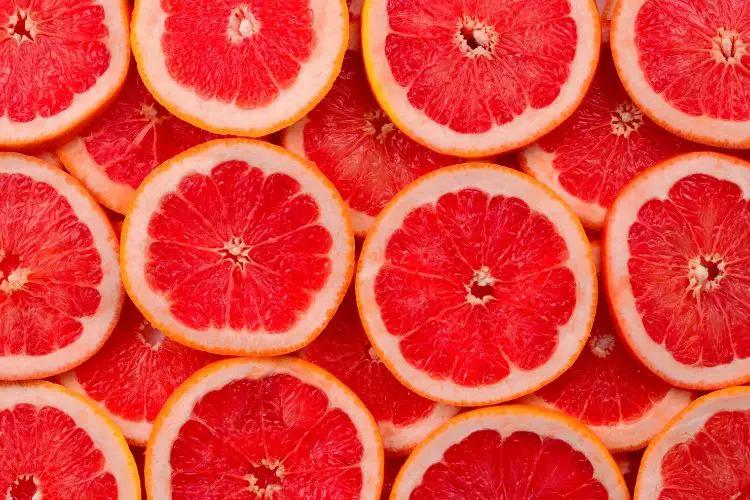
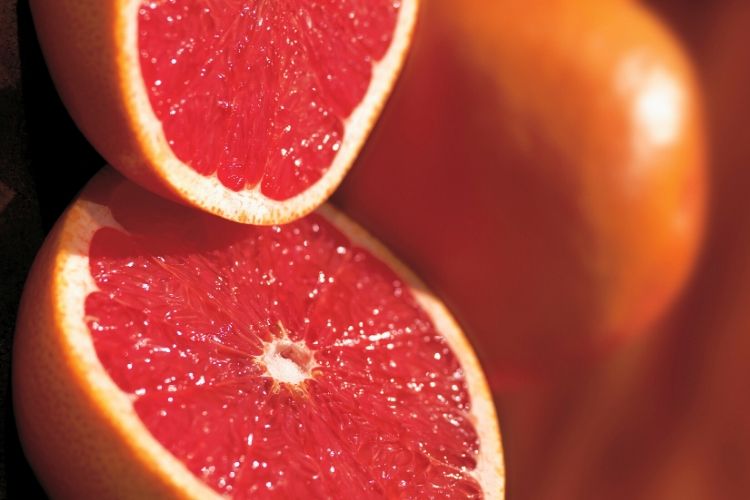
Not only is grapefruit delicious and versatile, but it is also one of the healthiest foods you can eat. A true superfruit, it’s loaded with essential vitamins, minerals and antioxidants.

Whether you enjoy half a grapefruit as a snack or add the fruit’s segments to salads, yogurt parfaits or beverages, grapefruit is an excellent addition to any meal plan.

You can even squirt a wedge of grapefruit over your fish and seafood for a change from lemon. The sweet, yet sour taste adds interest to your meals and brings the flavor profile up a notch.

Did you know that this tropical citrus fruit can actually help you shed unwanted pounds?  Research shows that grapefruit contains special properties that can help you to lose weight.  Later in this article, I’ll tell you how incorporating grapefruit into your diet can assist you on your weight loss journey.

Grapefruit Keto Friendly?

A half of a grapefruit contains a moderate amount of carbs (11 grams) and can reasonably be a part of a low carb diet, like Keto. 

If you’re a strict Keto dieter, you may be worried about consuming this many carbs in just a half of a piece of fruit.  However, studies show grapefruit helps with weight loss, reduces appetite and burns belly fat. 

Keto dieters may wish to enjoy a small amount of grapefruit along with a serving of protein and healthy fat by incorporating a few grapefruit segments into your salads or pair the fruit with yogurt or cheese.

How Many Carbs are in Grapefruit?

A half of a grapefruit contains 11 grams of net carbs.
A full grapefruit contains 22 grams of net carbs.

How Many Calories are in Grapefruit?

A half of a grapefruit contains 52 calories.
A full grapefruit contains 104 calories.       

Nutrition Facts

Amount:  100 grams of Pink Grapefruit
Calories 42
Total Fat 0.1 grams 0%
Saturated fat 0 grams 0%
Polyunsaturated fat 0 grams
Monounsaturated fat 0 grams
Cholesterol 0 milligrams 0%
Sodium 0 milligrams 0%
Potassium 135 milligrams 3%
Total Carbohydrate 11 grams 3%
Dietary fiber 1.6 grams 6%
Sugar 7 grams
Protein 0.8 grams 1%
Vitamin A 23% Vitamin C 52%
Calcium 2% Iron 0%
Vitamin D 0% Vitamin B-6 5%
Cobalamin 0% Magnesium 2%

Health Benefits

grapefruit carbs

Overview

Grapefruit is an incredibly nutritious fruit – in fact, some claim it is even a superfood. That’s because it’s high in vitamins, minerals and antioxidant.  It’s also a good source of fiber.  As one of the lowest-calorie fruits, grapefruit contains a decent amount of fiber and a high water content to keep you hydrated.

Immunity Boosting Antioxidants

Grapefruit provides B vitamins, zinc, copper and iron to help promote healthy function of the immune system.

Grapefruit also contains a variety of powerful antioxidants, including the following:

Vitamin C: A potent antioxidant that protects your body’s cells from free radical damage that can lead to cancer.

Beta-carotene:  An essential nutrient that the body converts into vitamin A.  This antioxidant protects against eye disorders, heart disease and cancer.

Lycopene:  Another powerful antioxidant that helps in the prevention of certain cancers. This nutrient has been shown to slow the growth of tumors and improve the common side effects of chemotherapy.

Flavanones:  A type of flavonoids with anti-inflammatory properties that protect against heart disease while helping to lower blood pressure and cholesterol levels.

Healthy Skin

The high doses of vitamin C in grapefruits are linked to healthy skin.  The fruit’s skin-protective antioxidants and high water content help keep your skin hydrated and more resistant to free radicals and environmental damage from UV rays and pollutants.

Supports Heart Health

The antioxidants in grapefruit have been shown to help in the regulation of blood pressure and cholesterol levels.  Eating the fruit regularly can improve the hearth because of the high levels of potassium. 

Potassium is associated with a reduced risk of high blood pressure and can lower the risk of death from heart disease.  Additionally, the fiber in the fruit is also linked to lower blood pressure and cholesterol levels.

Helps Prevent Kidney Stones

The citric acid contained in grapefruit has been shown to reduce the build-up of minerals that can lead to kidney stones by binding with calcium and flushing it out of the body.

Side Effects

grapefruit calories

Grapefruit and grapefruit juice may lead to interactions with a variety of medications.  If you eat grapefruit while taking certain medications, your body may not be able to break down the drugs, which could cause an overdose and other serious effects. 

If you are taking any medications, consult with your physician before consuming grapefruit as part of your diet.

Eating grapefruit often may lead also lead to erosion of the tooth enamel.  If you have sensitive teeth, you may wish to avoid grapefruit or limit the fruit in your diet. 

To help prevent the wearing of tooth enamel, pair the fruit with cheese to neutralize the acid and be sure to rinse your mouth with water after eating.

Carbs in Grapefruit Beverages

Grapefruit Soda

A cup of grapefruit soda contains 38 grams of carbs and 130 calories.

Sugary soda contains phosphoric acid and carbonic acid, acids that are harmful to your teeth, especially when combined with sugar.

Grapefruit Juice

One cup of grapefruit juice contains 23 grams of carbs and 96 calories.

Drinking fruit juice often causes extra consumption of sugar and calories which can lead to weight can. Juice also doesn’t contain as much fiber or as many phytonutrients that the whole fruit contains.

Grapefruits versus Oranges

Grapefruits are larger and sourer in flavor, with a pink or red flesh inside.  An orange is orange in color inside as well as out and has a much sweeter flavor profile.

Related Questions:

Is Grapefruit Good for Weight Loss?

Grapefruit is a low calorie fruit with high water content, a characteristic associated with weight loss.  The fiber in grapefruits aids in appetite control by inducing feelings of fullness to help reduce calorie intake.  Consuming half of a grapefruit before meals also helps fill you up, so you’ll eat fewer calories at meals.

According to various studies, consuming grapefruit, especially before meals, led to reduced waist circumference.  It is believed that grapefruit contains certain enzymes that help burn belly fat.

A research study involving 91 obese subjects determined that those who consumed half of a fresh grapefruit before meals lost significantly more weight than those who didn’t.  Participants who ate grapefruit lost three times as much weight as those who didn’t consume the fruit. 

So if you’re trying to shed those stubborn pounds, you may be pleasantly surprised by the results of adding a little grapefruit to your diet.

Are Grapefruits Safe for Diabetics?

Most types of fruit are generally associated with better blood sugar control.  Grapefruit has been shown to improve insulin resistance, which decreases the risk of developing type 2 diabetes

In fact, grapefruit juice can lower blood sugar as effectively as the diabetes drug, Metformin.  Studies show that consuming half of a fresh grapefruit before meals cause a significant reduction in both insulin levels and insulin resistance.

Is Grapefruit Good for Breakfast?

Thanks to their beneficial effect on blood sugar and insulin levels, grapefruit is a great way to start the day.  The fruit is also very hydrating to energize you in the morning and the fiber helps keep you full.   

It’s best to combine the fruit with a serving of protein and healthy fats for a well-balanced breakfast that will keep you going until lunchtimes, such as yogurt, a slice of cheese or an egg.

Is Lettuce Keto? Carbs and Calories in Lettuce


lettuce keto

Crisp and refreshing, lettuce makes a great addition to salads, wraps, sandwiches or burgers. Not only is lettuce low in calories and carbs, but it is also high water content, very hydrating, making it the perfect choice on a hot summer day.

Whether you choose from crisp iceberg lettuce, butterhead, leaf lettuce, romaine or one of the other varieties, this green leafy veggie contains a plethora of essential nutrients, like calcium, potassium, vitamin C, and folate. 

There are so many ways lettuce can benefit your health and well-being; it promotes weight loss, improves your skin and hair and even slows the aging process.  So keep reading to find out how you can get the most out of this amazing vegetable…

Is Lettuce Keto Friendly?

Lettuce is one of the lowest-carb vegetables on the planet. One cup of lettuce contains only 2 grams of carbs, 1 of which is fiber, bringing the total net carbs down to just 1 gram per serving.

In fact, lettuce is a popular accouterment for the Keto diet because it makes a great bread substitute for wraps and burgers.  Any sandwich filling can be wrapped in a lettuce leaf for an instant low carb fix.

Above-ground vegetables, like lettuce, are generally lower in carbs than root vegetables.  On a strict low carb diet like Keto, choose veggies like lettuce, zucchini, asparagus and kale – all of which are less than 5 grams of carbs per serving.

How Many Carbs are in Lettuce?

One cup of shredded iceberg lettuce contains only 1 gram of net carbs. One cup of chopped romaine lettuce contains only 1.5 grams of net carbs.

How Many Calories are in Lettuce?

One cup of shredded iceberg lettuce contains only 5 calories.
One cup of chopped romaine lettuce contains only 8 calories.

Health Benefits

Rich in Vitamins and Minerals

Despite the popular belief that iceberg lettuce is low in nutrition, it actually contains a number of essential nutrients, including:

  • Beta Carotene (Vitamin A) – A potent antioxidant that supports cell growth and eye health.
  • Calcium – A mineral that maintains bones and teeth, along with healthy muscle and nerve function.
  • Vitamin C – A powerful antioxidant that supports the health of your immune system.
  • Vitamin K – A vitamin that helps prevent bone fractures and aids the body in blood clotting and wound healing.
  • Folate – A B vitamin that helps to produce DNA and red and white blood cells in the bone marrow. It’s especially important for pregnant women.  This vitamin is also used by the body to convert carbohydrates into energy.
  • Potassium – An essential mineral that maintains healthy blood pressure and supports the heart.

Anti-Inflammatory Properties

Lipoxygenase, a protein in romaine lettuce can help reduce inflammation in the body.  In fact, lettuce has long been used in folk medicine as a remedy for Arthritis pain and inflammation.

According to Arthritis Foundation, vegetables that are rich in vitamin K, like lettuce can dramatically improve symptoms of inflammation.  Most cruciferous vegetables contain a decent amount of vitamin K, such as kale, broccoli, spinach, and cabbage.

Promotes Heart Health

Romaine lettuce is also a good source of vitamins A and C also improves blood flow to prevent heart attacks and stroke.  Lettuce is a good source of folate, a B vitamin that supports the heart by preventing damage to the blood vessels and preventing the accumulation of plaque in the arteries.

Consuming lettuce regularly can also promote healthy cholesterol levels and protect against cardiovascular disease.  The potassium in lettuce also supports the heart and lowers blood pressure.

Help Fight Cancer

Lettuce consumption has been linked to a lowered risk of stomach cancer,

A report by the World Cancer Research Fund suggests that non-starchy veggies like lettuce can protect against cancer.  A study conducted in Japan on smokers diagnosed with lung cancer found that regular consumption of lettuce could offer protective effects against the progression of the disease.

Promotes Digestive Health

The fiber in lettuce promotes digestion and prevents constipation and improves intestinal health.

Builds Strong Bones

Vitamins K, A, and C in lettuce are key vitamins that produce collagen, a protein used by the body for bone formation.

Vitamin K helps build cartilage and connective tissues, while vitamin A helps your body develop new bone cells.  Vitamin A deficiency can lead to osteoporosis and an increased risk of fractures.   Vitamin C prevents age-related bone loss.

According to the International Osteoporosis Foundation, vitamin K is also a vital nutrient in bone mineralization.

Reduces Diabetes Risk

Studies show that the low glycemic index of leafy green veggies like lettuce can lower the risk of type 2 diabetes. Lettice won’t spike blood sugar and it is low in calories and carbs, making it a great addition to a healthy diabetic diet.

Lettuce also contains lactucaxanthin, a powerful carotenoid with anti-diabetic properties.  Lacuxaxanthin can help treat diabetes by lowering blood glucose levels.

Promotes Healthy Vision

Lettuce contains zeaxanthin, a potent antioxidant that boosts the health of your eyes and prevents eye disorders, like macular degeneration.

According to a report by the American Association of Ophthalmology, dark leafy greens like romaine lettuce contain both lutein and zeaxanthin, a powerful combination of nutrients that protect against the onset of eye diseases.

Treats Insomnia

Lettuce has been used since medieval times to treat insomnia.  A substance called lacquer cerium found in lettuce acts as a sedative on the nervous system to promote a good night’s sleep.  

Another substance found in lettuce called lactucin induces relaxation.  

Helps Prevent Anemia

Romaine lettuce contains vitamin B12, iron and folate, nutrients that prevent anemia.

Side Effects

lettuce in salad carbs

It is advisable that lettuce is washed well before eating as lettuce crops may be sprayed with pesticides.  Consumption of lettuce may result in allergic reactions in some individuals.

In 2018, the Food and Drug Administration (FDA) began investigating an outbreak of Escherichia coli (E. coli) linked to romaine lettuce, which can cause symptoms like diarrhea.

Lettuce Burgers

Keep burgers Keto by using lettuce instead of burger buns.  A big piece of crispy and refreshing Romaine lettuce can be used to wrap your burger and all the fixings. Romaine lettuce is a good source of fiber, Vitamin C and K, and potassium.

Lettuce Wraps

To make Keto lettuce wraps, iceberg lettuce leaves work best.  Cut out the core of the lettuce with a paring knife so the leaves will be easier to wrap.  Pull large leaves from the lettuce.  Wash the lettuce leaves well before topping with your favorite wrap fillings.  Try wrapping tuna salad, chicken salad or ham and cheese for a serving of protein and healthy fat.

Keto Salad Dressing

It’s super easy to make your own homemade salad dressing.  Not only is it cheaper than buying store brands, but it’s also better for you, too.   Just be sure to choose natural ingredients that are low in carbs like healthy oils and vinegar. 

Avocado oil and apple cider vinegar work great in vinaigrette style dressings, while avocado oil mayo emulsifies well to create a creamy ranch dressing. 

Other low carb ingredients to add to your homemade salad dressings include olive oil, balsamic vinegar, lemon juice, Dijon mustard and fresh herbs.

Is Lettuce Good for Weight Loss?

lettuce in bowl calories

Lettuce is extremely low in carbs, calories, and fat, making it an ideal food for weight loss.  Consuming lettuce regularly can also help improve your metabolism.

What’s more, the fiber in darker varieties, like Romaine helps keep you satiated to prevent overeating.  These varieties also offer the highest in nutrient content.  

Is Lettuce Good for Your Hair and Skin?

Eating lettuce promotes healthy glowing skin and shiny, nourished hair because it contains essential vitamins and omega-3 fatty acids.  The leafy, green veggie helps synthesize collagen to make your skin’s firmness and texture.

The vitamin A in lettuce helps replenish and renew skin cells, while the potassium improves circulation and oxygen flow in the dermis.   The vitamin C provides natural from harmful UV damage from the sun and prevents the early signs of aging.  

Furthermore, the high water content of the veggie is very hydrating, which helps keep your skin moisturized and supple.  Applying lettuce juice to your face topically can also improve the health of your skin. 

You can also rinse your hair with lettuce juice to improve the quality of your hair.  The vitamin K in lettuce can benefit your hair as well by strengthening the hair shaft and preventing hair loss.  The potassium in lettuce can even prevent premature gray hair.

Is Cauliflower Keto? Carbs and Calories in Cauliflower


cauliflower keto

Cauliflower is considered a superfood because it is rich in powerful antioxidants that have the ability to reduce inflammation in the body and prevent diseases like cancer.  This crunchy, cruciferous veggie supplies almost all the vitamins and minerals your body needs, including choline, a vital nutrient that can be difficult to obtain from other foods in the typical diet.

Cauliflower is one of the most versatile vegetables out there.  Whether roasted, stir-fried, or steamed, it can be prepared a variety of ways and is easy to add to any meal plan. Cauliflower truly has so much range in the kitchen as an ingredient in dishes and casseroles, it takes on the flavor of other foods so you can enjoy it often without getting tired of it.

If you’re following a low carb diet, cauliflower makes a great substitution for high-carb dishes, like rice and mashed potatoes.  What’s more, studies show that eating cauliflower can actually help you lose weight.  Keep reading to find out how…

Is Cauliflower Keto Friendly?

Cauliflower is a Keto superstar, in fact, it seems to be the vegetable of choice for those following a Ketogenic diet.  Because cauliflower is low in carbs and has a mild taste, it makes the perfect substitute for potatoes, rice, pasta, and other high carb dishes.

How Many Carbs are in Cauliflower?

One cup of chopped cauliflower contains only 5 grams of carbs. One cup of cauliflower also contains 3 grams of fiber, which brings the total net carbs down to a mere 2 grams per cup! For this reason, cauliflower is an excellent food choice for those following a strict, low carb diet, like Keto.

How Many Calories are in Cauliflower?              

One cup of chopped cauliflower contains 25 calories. Cauliflower is extremely low in calories because it’s a less starchy vegetable that’s made up of mostly water and the fiber content will keep you feeling full. Adding butter or cheese to cauliflower will increase the calories significantly, so if you’re on a calorie-reduction diet, be sure to limit high-calorie condiments.

Nutrition Facts

Amount Per 1 cup chopped cauliflower (107 grams)
Calories 27
Total Fat 0.3 grams 0%
Saturated fat 0.1 grams 0%
Polyunsaturated fat 0 grams
Monounsaturated fat 0 grams
Trans fat 0 grams
Cholesterol 0 milligrams 0%
Sodium 32.1 milligrams 1%
Potassium 319.9 milligrams 9%
Total Carbohydrate 5 grams 1%
Dietary fiber 2.1 grams 8%
Sugar 2 grams
Protein 2.1 grams 4%
Vitamin A 0% Vitamin C 85%
Calcium 2% Iron 2%
Vitamin D 0% Vitamin B-6 10%
Cobalamin 0% Magnesium 4%

Health Benefits

fried cauliflower carbs

A Nutritional Powerhouse

Cauliflower if an excellent source of vitamins C, K and B6.  You’ll also get a good dose of folate and pantothenic acid as well as trace minerals like potassium, manganese, magnesium and phosphorus. Cauliflower is also high in choline, a rare nutrient that many people are deficient in that helps maintain healthy cells, synthesizes DNA, and supports metabolism.

High in Fiber

Cauliflower’s high content of fiber to help keep you feeling full.  Fiber aids in healthy digestion reduces the risk of heart disease and supports gut health.

Rich in Antioxidants

Cauliflower supplies a number of powerful antioxidants that reduce inflammation and protect against a number of chronic diseases, like cancer.  The antioxidants in cauliflower also protect against harmful free radicals that can cause cell damage. 

This vegetable is high in glucosinolates and isothiocyanates, two important types of antioxidants that can slow the growth of cancer cells.  Cauliflower is also high in sulforaphane, another potent antioxidant linked to disease prevention.

Anti-Cancer Properties

Early research shows that people who eat larger amounts of cauliflower and related vegetables have a lower risk of developing certain cancers, like prostate and lung cancer.

Strong Bones

Those who are deficient in vitamin K may have a higher risk of bone fracture and osteoporosis.  Consuming vitamin K regularly in foods like cauliflower can improve bone health and calcium absorption while preventing calcium loss through urination.

Healthy Circulation

The high fiber content of cauliflower has also been linked to cardiovascular health.  Individuals who eat foods rich in vitamin K have a lower chance of excess calcium build-up in the blood vessels, thus the result may be improved circulation.

Promotes Brain Health

Cruciferous vegetables like cauliflower have neuroprotective benefits.  A study published in the Frontiers in Aging Neuroscience journal found that foods like cauliflower that are high in vitamin E lowered the risk of long-term risk of neurodegenerative diseases, such as Alzheimer’s and Parkinson’s disease.

A review in the Journal of Neurophysiology linked the choline in cauliflower with the prenatal health of the fetus.  It was found that this nutrient enhanced the neural and cognitive development of the fetus in utero.

Unclogs the Arteries

A research study in 2009 on mice found that eating cauliflower could help protect the lining of the arteries.  Scientists found that a chemical called sulforaphane found naturally in cauliflower stimulated proteins that offer protection to the arteries. 

Early research suggests that eating larger amounts of cauliflower and related vegetables is linked with a lower risk of ischemic stroke in some people.

Side Effects

cauliflower calories

Overall, most people can tolerate cauliflower in moderate portions. Risks of consuming cauliflower in excess include Bloating and flatulence. The high fiber content of cauliflower may cause increased bloating and flatulence.

New studies suggest that cauliflower may be linked with a slight increase in the risk of breast cancer in premenopausal women, but not in postmenopausal women.

How to Use Cauliflower on Keto

Cauliflower Mac & Cheese

Combine steamed cauliflower with cream or milk, cheese and fresh herbs to make mock mac and cheese instead of using high-carb macaroni noodles.

Cauliflower Rice

Grate up cauliflower and sauté it to make cauliflower rice that can be enjoyed as a side dish or added to recipes that call for rice, like casseroles and sushi.

Cauliflower Mash                   

Instead of making mashed potatoes, mash cauliflower for a lower carb version that is easy to make and simply delicious. Just add butter and season well with salt and pepper.   

Cauliflower Pizza Crust

To make low carb cauliflower pizza, cook and drain cauliflower and then pulse it in a food processor. Strain the liquid and add mozzarella, oregano, basil, salt, garlic powder, and an egg to form a pizza crust. 

Spread out on parchment paper and bake for 15 minutes or so until it firms up.  Then you’re ready to add your favorite low carb pizza sauce, toppings and more cheese, then return to the oven for 5 more minutes or so until cheese is fully melted and veggies are cooked to your liking.

Cauliflower Hummus

Try substituting half or all of the chickpeas for cauliflower when making hummus.  Once all the other ingredients are blended together, you’ll barely be able to tell the difference.

Cauliflower Soup

Pureed cauliflower can be used to thicken cream-based soups, stews and chowders instead of adding other higher carb thickeners like potatoes or flour. 

Is Cauliflower Good for Weight Loss?

Cauliflower is one of the foods that actually help shed inches off your midsection. Because cauliflower is low in calories, carbs and fat, it is natural weight-loss food.  A cup of cooked cauliflower contains only 28 calories, 5 grams of carbs and half a gram of fat. The fact that cauliflower has a 92% water content is another reason this veggie is linked to weight loss.

What’s more, cauliflower has properties that also help you shed pounds. A study conducted by the Harvard T.H. Chan School of Public Health found that eating cauliflower was linked to weight loss.

Researchers determined that participants who ate non-starchy vegetables and fruits such as cauliflower, string beans and apples lost more weight over those who ate starchy fruits and veggies.

Adding more fiber to your diet helps you lose weight and reduces your risk of heart disease and diabetes.

Eating a high fiber diet can reduce the number of overall calories you consume throughout the day, which contributes to weight control.  Not only does the fiber in the cauliflower help burn belly fat, it slows digestion and promotes feelings of satiety.

Are Grapes Keto? Carbs and Calories in Grapes


grapes keto

Whether you prefer the red, purple or green variety, grapes provide the body with powerful antioxidants that boost your health and prevent disease.

Grapes are a versatile fruit, you can eat them on their own as a snack or add them to salads, like chicken salad or tuna salad. 

The popular Waldorf salad is another great to incorporate a few grapes into your meal plan.  I’ve included a super easy recipe later in this article and best of all, it’s Keto friendly!

Speaking of Keto, you may be wondering where grapes fit in on the Keto diet.  Keep reading to find out everything you need to know about grapes.

Are Grapes Keto Friendly?

You may need to avoid certain types of fruit if you are trying to reach ketosis. Despite the many health benefits of grapes, they are one of the fruits that are higher in carbs and sugar.  A single cup of grapes contains about 26 grams of carbs.

If you love adding grapes to your salads, keep it keto by using only 3 grapes and cutting them in half or in quarters.  This way you’ll still get the flavor and sweetness of the grapes added to your salad, without many extra carbs. 

Or you can always enjoy the lower carb fruits listed on the keto approved food list in moderation, like avocado, raspberries, strawberries and lemons.

How Many Carbs are in Grapes?

Fresh – A 100 gram serving of grapes (about a cup) contains 17 grams of carbs.

Dried – A 100 gram serving of raisins or currants contains a whopping 79 grams of carbs.

How Many Calories are in Grapes?

Fresh – A 100 gram serving of grapes contains 67 calories.

Dried – A 100 gram serving of raisins or currants contains 299 calories.

Types of Grapes

Red & Purple Grapes

  • Merlot
  • Pinot Noir
  • Syrah
  • Grenache
  • Tempranillo
  • Sangiovese
  • Champagne grapes (Black Corinth)

White, Green and Golden Grapes

  • Cotton Candy
  • Riesling
  • Fry Muscadine
  • Gewürztraminer
  • Moon Balls
  • Sultana
  • Golden Muscat

Health Benefits

grapes carbs

Overview

Grapes contain water and fiber to keep you hydrated and help you feel satiated.  They are rich in potassium and vitamins C and K. 

Red and purple grapes contain a potent antioxidant called resveratrol, which protects the brain, heart and the immune system.  

Grapes also contain other antioxidants called lutein and zeaxanthin, as well as the flavonoids myricetin and quercetin – all of which help the body to counteract damage caused by free radicals.

Protects Against Disease

Key nutrients in grapes may help protect against diseases like cancer, vision problems and cardiovascular disease.   The polyphenols are most potent in the skins of red grapes, as they contain the most resveratrol.  Research suggests that resveratrol may be able to prevent cancerous tumors.    

The flavonoid quercetin is a natural anti-inflammatory found in grapes that helps prevent cancer.

Promotes Heart health

Animal studies indicate that quercetin and resveratrol could lower the risk of atherosclerosis (hardening of the arteries) and reduce LDL cholesterol levels.

The polyphenols in grapes can also reduce blood pressure and irregular heart rhythms.

Grapes also contain fiber and potassium, both of which support heart health. The American Heart Association (AHA) recommends increasing potassium intake to improve blood pressure and cardiovascular health.  Eating foods rich in potassium has been linked with a reduced risk of stroke.

Improves Blood pressure

Because grapes are high in potassium and fiber, they can help lower blood pressure.  Increasing potassium and fiber intake is instrumental in maintaining healthy blood pressure.

Relieves Constipation

Grapes contain water and fiber to keep bowels moving regularly and prevent constipation.

Fights Allergies

It is believed that the anti-inflammatory effects of quercetin may help to alleviate allergic reactions like sinus symptoms and hives.

Helps Prevent Diabetes

A 2018 study published in the British Medical Journal suggested that grapes may reduce the risk of type 2 diabetes in adults.  The participants who ate raisins and grapes over the course of the study had a 7% lower risk of developing type 2 diabetes compared with those who did not consume the fruit.

The American Diabetes Association encourages people to consume grapes and other fruits, as long as the carbohydrate amount is counted as part of their meal plan.  However, grape juice should be avoided because of its high sugar content and high GI score.

Supports Eye Health

The antioxidants lutein and zeaxanthin can improve your vision and prevent eye problems. These compounds relieve oxidative stress and damage to the retina, helping to prevent conditions like macular degeneration, cataracts and glaucoma.

Improves Skin Conditions

A study published in the Journal of Dermatology Studies and Therapy determined that resveratrol could help in the treatment of acne.  So, if you suffer from this skin condition, you may wish to try applying a mask of mashed grapes topically to the skin. 

Side Effects

grape calories

The Environmental Working Group (EWG) listed grapes as one of the foods with high levels of pesticide contamination; therefore buying organic grapes is recommended to reduce the risk of pesticide exposure.

People who use beta blockers should not consume foods that are high in potassium. Consuming too much potassium can also be harmful or fatal to individuals with kidney disorders.  

People who use blood-thinning medications should avoid eating too many grapes as resveratrol may increase the anticoagulant effects of these drugs.

When drinking wine, women are advised to drink no more than one 5 ounce glass per day, and men no more than two glasses daily.

Is Grape Nuts Cereal High in Carbs?

A 100 gram serving of Grape Nuts cereal contains a whopping 82 grams of carbs.  This cereal should be avoided while following a low carb diet, like Keto.  Eating Grape Nuts cereal will throw your body out of ketosis.

Are Stuffed Grape Leaves Keto?

Grape leaves are typically stuffed with rice (along with meat) which is a high carb ingredient.  A serving of 5 stuffed grape leaves contains 19 grams of carbs, which is too high for a strict low carb diet like Keto.

Keep it Keto, by making your own homemade grape leaves stuffed with meat filling instead of rice or substitue cauliflower rice instead.

Is Grape Vinegar Keto?

Grape vinegar, also known as red wine vinegar or balsamic vinegar, may be low in calories but contains a fair amount of carbs at 6 grams per tablespoon. You can choose to factor this amount in to your Keto meal plan, just make sure you measure out only a tablespoon instead of doing a free pour to keep carb counts in check.

Carbs in Grape Jam

Grape jam contains 13 grams of carbs in just a tablespoon.

Carbs in Grape Jello

Grape Jello is high in sugar, containing 19 grams of carbs per 22 gram serving.

Carbs in Grape Juice

One cup of grape juice contains 37 grams of carbs and 152 calories and 36 grams of sugar!

Carbs in Grapeseed Oil

Grapeseed oil is a healthy fat containing zero carbs, so feel free to use this oil when cooking, it’s great for both stir frying at high heats and sautéing.

Easy Keto Waldorf Salad Recipe

Ingredients:

  • 2 cups of baby field greens
  • 1/4 cup of mayonnaise
  • 1/3 Granny Smith apple (or other green apple), thinly sliced
  • 2 stalks of celery, thinly sliced diagonally
  • 6 grapes, quartered
  • 1 ounce chopped walnuts
  • Pink Himalayan sea salt and fresh cracked black pepper, to taste

Instructions:

  1. Simply chop all the ingredients and toss together in a large salad bowl.
  2. Divide into 2 servings and enjoy with a friend.

How to Pick and Store Grapes

When buying grapes, select bunches of grapes that are tight to the touch without wrinkled skin.   

Grapes should be stored in the refrigerator until they are ready to be washed and eaten.