Recent Posts

Are Guavas Keto? Carbs and Calories in Guava Fruit


are guavas keto

The guava is a tasty tropical fruit that makes an excellent addition to a healthy diet.  The fresh fruit can be eaten on its own or added to salads, jams and desserts.

This sweet, creamy fruit can also be made into beverages, adding richness to smoothies and milkshakes. Keep reading for a sinfully delicious, Keto-friendly Guava and Strawberry Milkshake recipe that is completely guilt-free.

Did you know that regularly eating guavas may aid in weight loss?  It’s true!  In fact, guavas can even help regulate your metabolism.  Not only is the fruit full of fiber to promote heart health and keep you full, but it is also lower in sugar than most other fruits.

What’s more, guava fruit and its leaf extracts may boost your health and vitality by improving blood sugar control, immunity and digestion.  The antioxidants in the fruit even have the power to kill cancer cells and prevent the onset of diabetes.

So go ahead and try adding guavas to your diet today!

Is Guava Fruit Keto Friendly?

A half-cup serving of the guava fruit has about 12 grams of satiating fat and only 2.6 g of net carbs. The fat to carb ratio of guava fruit works perfectly for the popular Ketogenic diet.  The fruit is very low in sugar, containing only 2.8 grams per serving, which is much lower than fruits like oranges, apples and bananas.

One serving of guava fruit contains about 6.4 grams of fiber, which equates to 25% of your daily recommended intake.  Consuming fruits that are high in fiber is a great way to offset those carbs and keep the net count of digestible carbs low.  

So go ahead and enjoy a piece of guava fruit on its own or top your salad with cubes of the fruit for a keto-friendly lunch.  A few chunks of frozen guava also makes a delicious addition to your morning smoothie.

How Many Carbs are in Guavas?

A 100-gram serving of fresh Guava contains 9 grams of net carbs. Guavas are packed with 5 grams of dietary fiber per 100-gram serving which helps offset those carbs.

How Many Calories are in Guavas?                      

A 100-gram serving of fresh Guava contains only 68 calories.  Guavas are very low in calories and perfect for those following a calorie-reduction diet plan.  They are also rich in fiber to keep you feeling full between meals, which prevents overeating.

Nutrition Facts

Serving size: 100 grams of Guava
Calories 68
Total Fat 1 grams 1%
Saturated fat 0.3 grams 1%
Polyunsaturated fat 0.4 grams
Monounsaturated fat 0.1 grams
Cholesterol 0 milligrams 0%
Sodium 2 milligrams 0%
Potassium 417 milligrams 11%
Total Carbohydrate 14 grams 4%
Dietary fiber 5 grams 20%
Sugar 9 grams
Protein 2.6 grams 5%
Vitamin A 12% Vitamin C 380%
Calcium 1% Iron 1%
Vitamin D 0% Vitamin B-6 5%
Cobalamin 0% Magnesium 5%

Health Benefits

guavas calories

Rich in Nutrients and Antioxidants

Guava fruit is incredibly rich in antioxidants, vitamin C, potassium, and fiber. The fruit is also a good source of vitamin A, vitamin B-6 and magnesium.  The antioxidants in guavas protect against the harmful effects of oxidation that can lead to disease.

Stabilizes Blood Sugar

Guava extract may help improve blood sugar control in diabetic individuals. In fact, researchers discovered that drinking guava leaf tea has the power to lower blood sugar levels after a meal by 10% for up to two hours.

Promotes Heart Health

Guava fruit or guava leaf extract may have a positive effect on heart health.  Studies show that the fruit can lower blood pressure and unhealthy LDL cholesterol while increasing beneficial HDL cholesterol.

A study conducted by Heart Research Laboratory, Medical Hospital and Research Centre in India over a three month period, found that eating ripe guava fruit prior to meals caused a significant decrease in blood pressure by 8–9 points, a reduction in LDL cholesterol by 9.9%, and an increase in healthy HDL cholesterol by 8%.

Relieves Menstrual Cramps

Women who consume guava fruit or take guava leaf extract daily may see relief from painful symptoms of menstruation, such as menstrual cramps. 

A study conducted by the Epidemiology and Health Services Research Unit in Mexico found that women taking 6 milligrams of guava leaf extract daily experienced less intense pain than usual.  The extract also appeared to be more effective than some painkillers.

Improves Digestion

Eating guavas regularly or consuming guava leaf extract may help prevent and relieve both diarrhea and constipation. Just one guava fruit contains 12% of your daily recommended intake of dietary fiber. Studies show that guava leaf extract is antimicrobial as well, which means that it can also prevent harmful microbes in the gut.

Anti-Cancer Properties

The antioxidants abundant in guava fruit may help prevent of cancer cells and slow their growth.

One test-tube study published by the Pharmaceutical-Cosmetic Raw Materials and Natural Products Research and Development Center in Thailand found that guava leaf oil was four times more effective at halting cancer cell growth than various cancer drugs.  Although the results of test-tube experiments are promising, more research is needed before guava is used as a mainstream treatment for cancer.

Strengthens the Immune System

Guavas are extremely high in vitamin C, one serving providing double the recommended needs of this nutrient.  Adequate intake of vitamin C is necessary to protect illness and infections.  Vitamin C also provides antimicrobial benefits to help kill off bad bacteria and viruses.

Side Effects

guavas carbs

Guava is generally safe for most people when consumed in normal food amounts. However, drinking too much guava leaf tea may lead to constipation.

There is not enough information to know if guava leaf extract is safe when used as a medicine.

Guava & Strawberry Milkshake

Ingredients:

  • 1 cup of unsweetened almond milk
  • 3 large strawberries, washed and hulled
  • 50 grams of guava fruit (about half a medium fruit)
  • A handful of ice cubs
  • 1/2 teaspoon of vanilla
  • 1 teaspoon Stevia or sugar-free sweetener of choice (optional)

Instructions:

  1. Add all ingredients into a blender and blend on high until all of the ice is crushed and the fruit is pureed well. 
  2. Pour into a chilled glass or smoothie bottle and enjoy!

Related Questions:
Are Guavas Good for Weight Loss?

Guava fruit can help you lose weight by regulating your metabolism, which leads to weight-loss. Guava fruit has a lot less sugar than other fruits, like apples, oranges, bananas and grapes. 

The fruit makes for a filling snack that satisfies the appetite because it contains a good amount of protein, healthy fat, and fiber – all of which help keep you feeling satiated.  The fuller you feel, the less chance you have of overeating and snacking between meals.

Can Guavas Help Treat a Cold?

Adequate intake of vitamin C can help boost immunity so that your body is better able to fight off viruses that cause the common cold.  Guava is one of the best foods on the planet to supply you with this vital nutrient.  Vitamin C not only maintains a healthy immune system to prevent colds, but it has also been shown to reduce a cold’s duration.

Guavas are a fantastic fruit to help you fight a cold due to their exceptionally high content of vitamin C. In fact, just one guava provides about double the daily recommended intake of vitamin C – twice the amount in an orange.

Are Guavas Good for Diabetics?

Guavas are extremely low in glycemic index and carry a low glycemic load, making them a healthy choice for people with diabetes and those most at risk of developing the disease.

In fact, guava leaf extract has traditionally been used as a medicinal treatment for diabetes in East Asia for hundreds of years.

Are Guavas Good for Your Skin?

The antioxidants and vitamins in guavas have the power to slow down the effects of aging on your skin.  In addition, guava leaf extract may help treat acne.

One test-tube study published by The University of Petra in Jordan found that guava leaf extract was effective at killing bacteria that causes acne. These effects are mainly due to the antimicrobial and anti-inflammatory properties in the fruit.

Guava fruit also contains high doses of vitamin C and a small amount of vitamin A – two nutrients that work miracles for your skin.  The antioxidants contained in the fruit also protect your skin from free radicals and environmental damage like ultra-violet rays, which helps prevent wrinkles.

Is Guava Fruit Safe to Eat During Pregnancy?

Guava is safe when eaten in normal food amounts, but there’s not enough information to know if it is safe in the larger medicinal amounts. If you are pregnant or breast-feeding, stick with normal food amounts until more is known. 

Although the fruit is safe, guava leaf tea and extracts should be avoided during pregnancy as they may cause complications.

Interestingly, guavas are also known to promote fertility.  So if you’re trying to conceive, you may wish to give guava fruit a try.

Are Sesame Seeds Keto? Carbs and Calories in Sesame


seasme keto

Sesame seeds are oil-rich seeds that offer a nutty flavor and a subtle crunch to many dishes.  These tiny seeds truly stand out when sprinkled over stir-fry or salads. They also boost the flavour of sauces, dips and dressings.

Sesame seeds have many health benefits. In fact, they have been used in folk medicine since ancient times.  Regular consumption of sesame seeds may aid blood sugar control, combat arthritis pain, and lower cholesterol. 

Not only that, sesame seeds contain special substances that release fat-burning enzymes the body, which can help you shed unwanted pounds.  Keep reading to find out how eating sesame seeds can help you lose weight and improve your health.

Are Sesame Seeds Keto Friendly?

Sesame Seeds are low in carbs while high in protein and healthy fats, which makes them a great addition to the keto diet, as long as they’re consumed in moderate amounts.

How Many Carbs are in Sesame Seeds?

One tablespoon of sesame seeds contains 2.1 grams of total carbs, of which 1.1 gram is made up of fiber, bringing down the net carbs to only 1 gram.  Tahini (sesame seed paste) is slightly higher at 2.2 grams of net carbs.

How Many Calories are in Sesame Seeds?           

A 100 gram serving of Sesame Seeds contains 573 calories.  One tablespoon of sesame seeds contains 52 calories.  A tablespoon of sesame paste contains 89 calories. Sesame seeds contain a fair amount of calories per serving.  If you are on a calorie-reduction plan, it would be wise to measure out a tablespoon or two as a topping for your dishes.

Nutrition Facts

Serving size: 1 tablespoon (9 grams) of Sesame Seeds
Calories 52
Total Fat 4.5 grams 6%
Saturated fat 0.6 grams 3%
Polyunsaturated fat 2 grams
Monounsaturated fat 1.7 grams
Cholesterol 0 milligrams 0%
Sodium 1 milligrams 0%
Potassium 42.1 milligrams 1%
Total Carbohydrate 2.1 grams 0%
Dietary fiber 1.1 grams 4%
Sugar 0 grams
Protein 1.6 grams 3%
Vitamin A 0% Vitamin C 0%
Calcium 8% Iron 7%
Vitamin D 0% Vitamin B-6 5%
Cobalamin 0% Magnesium 7%

Health Benefits

seasme carbs bagels

Rich in Nutrients

Sesame seeds provide a good dose of thiamine, niacin, and vitamin B6.  B vitamins are essential for cell function and metabolism. They also provide a variety of nutrients that strengthen the immune system and support thyroid health, such as, zinc, selenium, copper, and iron.

Additionally, the plant compounds and vitamin E in sesame seeds act as an antioxidant to combat oxidative stress caused by free radicals.

High in Fiber

Three tablespoons or 30 grams of sesame seeds supplies 12% of your recommended daily intake of fiber, which is crucial for your digestive health.  Research shows that adequate fiber intake reduces your risk of heart disease, cancer, obesity, and type 2 diabetes.

Lower Cholesterol and Triglycerides

Sesame seeds help reduce your risk of developing heart disease, by lowering high triglycerides (fat in the blood) and unhealthy LDL cholesterol levels.  Sesame seeds also contain powerful plant compounds called lignans and phytosterols that improve cholesterol levels. 

High in Plant-based Protein

Sesame seeds are a good source of plant-based protein, supplying 5 grams of protein per 30-gram serving (3 tablespoons).  Protein is the main building block for your muscles and is essential for the overall health and well-being.  Protein also plays a key role in the regulation of hormones.

Stabilizes Blood Pressure

Sesame seeds are rich in magnesium, which has been reported to lower blood pressure and reduce your risk of heart disease and stroke. Furthermore, the antioxidants that are naturally found in sesame seeds may help prevent plaque build-up. 

Improves Blood Sugar Control

Because sesame seeds are low in carbs and high in quality protein and healthy fats, they aid blood sugar control. They also contain a plant compound called pinoresinol that also helps lower blood sugar.

Builds Strong Bones

Sesame seeds when un-hulled are especially rich in nutrients vital to bone health, including calcium. Soaking, roasting, or sprouting sesame seeds can improve the absorption of certain minerals.

Anti-inflammatory Properties

Evidence suggests that sesame seeds and sesame seed oil may have the ability to fight inflammation, which is linked to a number of chronic conditions, including obesity, cancer and heart disease.

Sesamin, a compound in sesame seeds, may also reduce joint pain in arthritis sufferers.

Assists in Cell Formation

Sesame seeds supply iron, copper, and vitamin B6, which support the formation and function of your blood cells.

seasme calories oil

Side Effects

Sesame Seeds are generally safe in normal food amounts.  However, they might cause serious allergic reactions, including Anaphylaxis in individuals who are allergic to sesame. 

Individuals with gout or Wilson’s disease should avoid sesame seeds.

Uses for Sesame Seeds on Keto

Sesame seeds can be added to your ketogenic diet in the following ways:

  • Sprinkle them over stir-fry dishes.
  • Top steamed broccoli with sesame seeds.
  • Add sesame seeds to Greek yogurt.
  • Toss some sesame seeds into your smoothies for a nutty flavor.
  • Use sesame seeds to top salads.
  • Add them to your homemade salad dressings.
  • Sprinkle them over hummus.
  • Use them as a garnish for your dishes.
  • Sesame oil (extracted from sesame seeds) is used as a cooking oil and to make dressings and sauces.

Keto Sesame Chicken Recipe

Ingredients:

  • 2 pounds of boneless chicken thighs
  • 2 tablespoons sesame oil
  • fresh low-carb stir fry veggies of choice ( broccoli, cauliflower, peppers, mushrooms, onions)
  • 2 tablespoons toasted sesame seeds
  • green onions
  • ½ cup chicken broth
  • 1 tablespoon apple cider vinegar
  • 1 teaspoon garlic powder
  • 1 teaspoon smoked paprika
  • 1 teaspoon chili flakes
  • 1 teaspoon of Stevia or sugar-free sweetener of choice
  • fresh minced ginger and garlic
  • pink Himalayan sea salt and fresh ground black pepper, to taste

Instructions:

  1. Season chicken on both sides with salt, pepper, set aside.
  2. Combine the broth, sesame oil, vinegar, and dry seasoning spices in a bowl and stir well. Toss chicken with a spoonful of this sauce to marinate (about 10 minutes).
  3. Add sesame oil to a hot wok or frying pan. Sear the chicken on both sides until brown, then plate.
  4. Using a little more sesame oil, add thinly sliced vegetables of choice (broccoli, peppers, etc.)  Fry on high heat for under 5 minutes, until tender-crisp.
  5. Stir in the rest of the sauce.
  6. Add the cooked chicken back to the pan and stir until heated through. Sprinkle with toasted sesame seeds and chopped green onions.  Serve over a bed of cauliflower rice or alongside a salad.

Related Questions:
Are Sesame Seeds Good for Weight Loss?

Sesame seeds contain polyphenols found in plants called lignans that may help burn fat.  Lignans cause the body to release more fat-burning liver enzymes.

Sesame seeds are also an excellent source of protein, which quells hunger pangs and speeds up your metabolism, the rate at which your body burns calories.  Adequate protein intake can reduce calorie consumption, thus aiding weight loss.

Additionally, regular consumption of sesame seeds improves blood sugar and cholesterol levels, which are often high in obese individuals.

What is the Best Way to Roast Sesame Seeds?

Roasting sesame seeds enhances their flavor profile and increases the availability of their nutrients. 

To roast sesame seeds: bake them at 350℉arenheight (180℃elcius) in the oven for a few minutes while stirring periodically, until they become light, golden brown in color.

Are Sesame Seeds Safe to Eat During Pregnancy?

Sesame seeds are rich in nutrients that are during pregnancy, including calcium, protein and vitamins B, C and E.  Besides building strong bones and teeth, calcium may also reduce the risk of premature birth. 

Sesame seeds are also rich in folate (folic acid) a nutrient that helps to prevent birth defects of the brain and spine.

Is Sesame Oil Healthy?

Although other vegetable oils are quite unhealthy, sesame oil is one type of vegetable oil that is good for you. Sesame oil is rich in polyunsaturated and monounsaturated fats – the good fats and it is low in unhealthy saturated fat. 

Furthermore, monounsaturated and polyunsaturated fats won’t raise your LDL cholesterol levels.

Are Almonds Keto? Carbs and Calories in Almonds


almonds keto

Almonds are one of the world’s most popular nuts.  They make a great snack on their own or as a topping to a variety of dishes, salads and desserts. 

You can also cream almonds with butter or oil to make your own natural almond butter or blend them with water to make almond milk.  They can even be pulverized into almond flour – the perfect flour for low carb baking.

Almonds contain a good amount of heart-healthy fats, fiber, protein and a number of vitamins and minerals. The health benefits of almonds include lower blood sugar levels, reduced blood pressure and lower cholesterol levels.

Additionally, studies show that eating almonds can also reduce hunger and promote weight loss. Keep reading to find out how you can make the most of these amazing tree nuts to achieve your weight loss goals.

Are Almonds Keto Friendly?

Almonds are a good source of fiber and have a lower glycemic index than many other nuts, making them a good choice for people on low-carb diets, like the popular Keto diet. 

Almonds also contain a decent amount of heart-healthy fats, which are recommended for people following the Keto diet.  Most of the fat found in almonds is monounsaturated fat which is good for you and helps keep you feeling satiated to prevent hunger pangs in between meals.

How Many Carbs are in Almonds?

One ounce or 28 grams of almonds (about 24 whole almonds) contains 6.1 grams of carbs.  Half an ounce (about 12 almonds) contains only 3 grams of carbs.If you’re following a strict low carb diet, like Keto, almonds make a great fit.

How Many Calories are in Almonds?                  

There are 164 calories in a 1-ounce (28 grams) serving of almonds. Because almonds contain a decent amount of fat, they are calorie-dense. If you’re following a calorie reduction plan, count out 24 almonds to ensure you don’t overindulge.  You could also cut the serving size in half – as 12 almonds make a low-calorie snack containing only 82 calories.

Nutrition Facts

Serving: 1 ounce or 28 grams (about 24 unsalted almonds)  
Calories: 164  
Total Fat: 14.2  
Sodium: 0 milligrams  
Total Carbohydrates: 6.1 grams  
Dietary fiber: 3.5 grams  
Sugar: 1.2 grams  
Protein: 6 grams  

Health Benefits

Rich in Nutrients

almonds carbs

Almonds are an excellent source of vitamin E, which provides antioxidant benefits and immune support. The calcium in almonds helps strengthen bones and teeth, while the iron in almonds helps in hormone production.  Almonds are also a rich source of manganese, which metabolizes carbohydrates, amino acids, and cholesterol. The magnesium in almonds helps boost energy, synthesize proteins, and supports bone formation.

Promotes Heart Health

A review of 29 studies conducted in 2016, confirmed that consuming 28 grams of nuts including almonds daily reduced the risk of heart disease. This may be due to their high content monounsaturated fat which lowers lipids as well as the fiber content. Consuming almonds may also help lower your cholesterol levels.

Rich in Antioxidants

Almonds are high in antioxidants, which protect your cells from oxidative damage from free radicals.  The phytonutrients found in almonds, namely plant sterols and flavonoids, offer antioxidant benefits to prevent aging and disease. To get the most of these nutrients, consume almonds with the skins where most of the nutrients are found. Avoid purchasing blanched almonds that have their nutrient-rich skin removed.

Improved Blood Pressure

Magnesium deficiency is linked to high blood pressure; therefore, magnesium-rich nuts like almonds can help control blood pressure.  If you’re deficient in magnesium, almonds may have a positive impact on blood pressure.

Lowers Unhealthy LDL Cholesterol

Eating a handful of almonds per day can reduce unhealthy LDL cholesterol levels. LDL cholesterol can also become oxidized, which can lead to heart disease. Snacking on almonds has been shown to significantly reduce oxidized LDL.

Side Effects

Almonds are generally safe in normal food amounts; however, they can cause allergic reactions in individuals prone to nut allergies. 

 Almonds are a tree nut, so individuals who are allergic to tree nuts should avoid consuming almonds.  Some allergic reactions to nuts are so severe, simply coming into contact with almonds could cause serious symptoms, including death.

Roasted Almonds versus Raw Almonds: Which are Healthier?

Both raw and roasted nuts are good for you and offer the same health benefits.  Although, roasted nuts have slightly more fat and calories per gram, the difference is negligible. One ounce (28 grams) of raw almonds contains 161 calories and 14 grams of fat, whereas the same amount of dry-roasted almonds contains 167 calories and 15 grams of fat.  That’s a difference of 5 extra calories and 1 additional gram of fat in the roasted variety. 

Whether you prefer your almonds raw or roasted, they can be a part of a healthy diet.  You can even roast the almonds in the oven yourself for a few minutes, stirring periodically.  Roasting your own almonds helps control the amount of added sodium and gives raw almonds a delicious, toasty flavor.

10 Great Uses for Almonds on Keto

almonds calories oil

Almonds can be added to your ketogenic diet in the following ways:

  1. Blend almonds together with butter to make homemade natural almond butter.
  2. Top your dishes with sliced almonds for a little added crunch.
  3. Add sliced almonds to your homemade energy balls and power bars.
  4. Add a tablespoon of almond butter to smoothies for a protein-packed breakfast.
  5. Top your salads with toasted sliced almonds for a nutty crunch.
  6. Top stir-fried vegetables with crushed almonds.
  7. Grind almonds into almond flour to use in low carb baking.
  8. Blend almonds with water to make your own almond milk.
  9. Add crushed almonds to cream sauces and curries for added richness.
  10. Top Greek yogurt with sliced almonds and low carb berries of choice.

Related Questions:
Are Almonds Good for Weight Loss?

Almonds are low in carbs and high in protein and fiber. Studies show that eating almonds and other nuts can increase feelings of satiety which ultimately helps you consume fewer calories overall. 

Although most nuts, including almonds, are high in calories, eating them doesn’t appear to cause weight gain. In fact, numerous studies suggest that nuts like almonds assist weight loss.

This is mainly due to the fact that almonds increase leptin, a hormone that reduces appetite. They also increase ghrelin, another hormone that also curbs hunger.  So if you’re trying to lose weight, try snacking on some almonds to keep the hunger at bay.

Numerous studies support the hunger-suppressing effects of almonds.  A month-long study involving 137 participants found that a daily 43 gram serving of almonds significantly reduced the participants’ hunger and the desire to eat. 

Are Almonds Safe to Eat During Pregnancy?

Filled with protein, healthy fats, folate, vitamin E, magnesium and omega fatty acids, almonds are a wonderful nut for pregnant women to consume. 

Almonds also contain nutrients that reduce hunger which can help the mother manage her weight throughout the course of the pregnancy to reduce the risk of Gestational (pregnancy-related) diabetes.

Are Almonds Safe for Diabetics?

Studies show that adequate intake of magnesium, a nutrient contained in almonds, is associated with a lower risk of developing diabetes. 

In addition, high magnesium intake may offer significant improvements for metabolic syndrome, a condition associated with diabetes.

Is Almond Milk Healthier than Dairy Milk?

If you’re lactose intolerant or sensitive to dairy, almond milk makes a great alternative. Although almonds are naturally high in calories, almond milk is a low-calorie substitution for dairy milk.  

It should be noted that unfortified almond milk contains less calcium and protein. Be sure to select a fortified variety if one is available in your local grocery store and choose the unsweetened version to avoid added sugar.

Are Persimmons Keto? Carbs and Calories in Persimmons


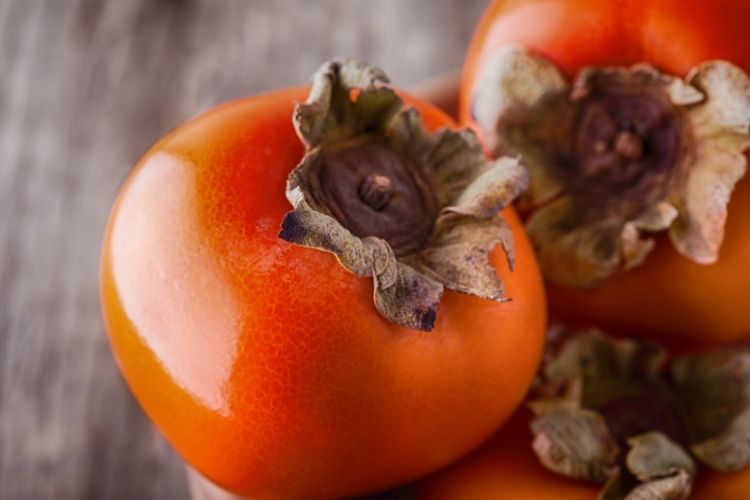
Persimmons are a sweet, juicy fruit with a honey-like flavor.  They pair well with other foods and can be enjoyed fresh, dried or cooked.  Although this fruit first originated in China, persimmons are popular around the world and often used as an ingredient in jams, jellies, curries, puddings, pies, and drinks.   

Aside from tasting great, they are also packed with vital nutrients that have the potential to improve your health in many ways.  To name a few, they promote heart health, reduce inflammation and aid digestion.

Persimmons also contain active plant compounds that can help you lose weight and ward off obesity-related diseases, such as diabetes and cardiovascular disease.  Studies show that persimmons also have the power to lower cholesterol and triglyceride levels.

Keep reading to find out more about this amazing fruit and how adding it to your diet can benefit your health and vitality.

Are Persimmons Keto Friendly?

Most ketogenic diet guidelines restrict carbs to only 15 – 30 grams of net carbohydrates per day. Persimmons can fit into the Keto diet in moderate amounts. 

A medium persimmon contains 8 grams of total carbs, so it can be a keto-friendly fruit if consumed in moderate amounts.

If you’re a very active person who exercises 4 to 5 times a week, you can consume more persimmons without any repercussions.

How Many Carbs are in Persimmons?

Fresh: One 25-gram persimmon contains 8 grams of carbs.

Dried:  Dried persimmons contain a whopping 73 grams of carbs per 100-serving. 

If you are following a low carb diet, choose fresh persimmons over the dried variety as they are far lower in carbs.  Eating just a few slices of dried persimmons could easily cause you to exceed your daily carb count.

How Many Calories are in Persimmons?             

Fresh: There are 32 calories in 1 persimmon (25 grams). 

Dried: 100 gram serving of dried persimmons contains 274 calories.

If you’re following a calorie-reduction diet plan, stick to fresh persimmons as they are exponentially lower in calories than the dried variety, which are extremely calorie-dense.

Nutrition Facts

Serving size: 1 persimmon fruit (25 grams)
Calories 32
Total Fat 0.1 grams 0%
Cholesterol 0 milligrams 0%
Sodium 0.3 milligrams 0%
Potassium 77.5 milligrams 2%
Total Carbohydrate 8 grams 2%
Protein 0.2 grams 0%
Vitamin A 0% Vitamin C 27%
Calcium 0% Iron 3%
Vitamin D 0% Vitamin B-6 0%
Cobalamin 0% Magnesium 0%
persimmons carbs

Health Benefits

Rich in Nutrients

Persimmons are an excellent course of vitamins A, B, C, E, and K. Just one persimmon contains over half the recommended intake of vitamin A, a fat-soluble vitamin critical for immune function and healthy vision.  Persimmons also contain beneficial plant compounds like tannins and flavonoids.  The fruit is also a good source of potassium, copper, manganese, thiamine, riboflavin, folate, magnesium and phosphorus.

Rich in Antioxidants

Persimmons are rich in powerful antioxidants in the form of carotenoids and flavonoids. Diets rich in these potent plant compounds are associated with a lower risk of cancer, heart disease and diabetes.

Promotes Heart Health

Other antioxidants that are naturally bioavailable in persimmons are quercetin and kaempferol.  These flavonoids and tannins benefit heart health by lowering blood pressure, preventing inflammation and lowering unhealthy LDL cholesterol levels.

Anti-Inflammatory Properties

Inflammation is a common cause of many diseases.  Persimmons are a good source of vitamin C, which is another powerful antioxidant that helps lower inflammation.  Studies have linked adequate intake of vitamin C to a reduced risk of inflammatory conditions such as heart disease, certain cancers and diabetes.

Supports Digestion

Fiber-rich foods like persimmons can help keep your digestive system healthy and promote regularity.  For this reason, consuming persimmons may help relieve constipation.

Promotes Eye Health

Persimmons are rich in vitamin A, lutein and zeaxanthin, nutrients that support healthy eyesight.  These nutrients also lower the risk of developing age-related macular degeneration, an eye disease that can cause vision loss.

Side Effects

Persimmons are generally safe in normal food amounts; however, they can cause allergic reactions in individuals prone to allergies.

Because persimmons may lower blood pressure, surgeons claim persimmon may interfere with blood pressure control during surgery and post-surgery. If you have a surgery scheduled, it is recommended that you avoid eating persimmons for at least 2 weeks prior to the procedure.

persimmons calories

10 Great Ways to Enjoy Persimmons on Keto

Persimmons can be added to your ketogenic diet in the following ways:

  1. Slice persimmons onto a salad to add a little sweetness.
  2. Top Greek yogurt with fresh or cooked persimmon for added flavor.
  3. Roast persimmons in the oven and top with sugar-free whipped cream for a tasty, low carb dessert.
  4. Add fresh persimmon chunks to low carb muffins made with almond flour.
  5. Combine persimmon slices with berries and citrus fruits for a low carb fruit salad.
  6. Grill persimmon and serve with creamy Brie cheese as a unique appetizer.
  7. Bake persimmons with chicken, pork or beef to add interest to your dishes.
  8. Add a small amount of diced dried persimmons to homemade energy balls or power bars for a chewy consistency.
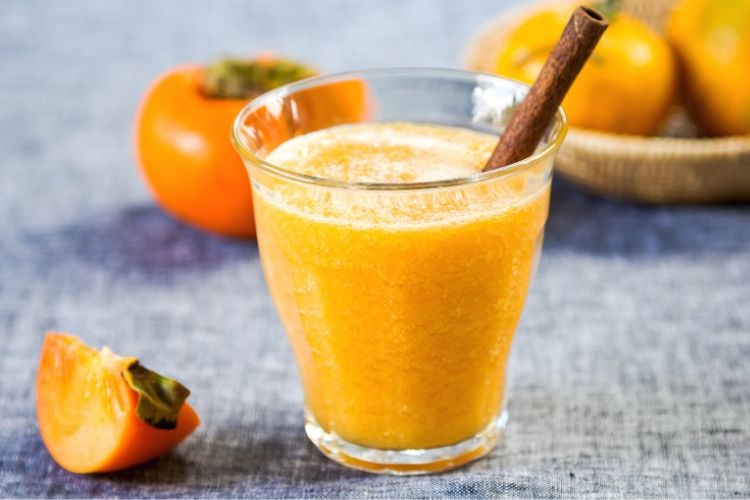
  9. Add fresh or frozen persimmon slices to your smoothie as a honey-like, natural sweeter.
  10. Enjoy a fresh persimmon with a handful of nuts or a slice of cheese as an energizing pre-workout snack.

Related Questions:
Are Persimmons Good for Weight Loss?

Persimmons are full of fiber and low in calories, which makes them a great food choice if you’re trying to shed unwanted pounds.  Persimmons also contain active compounds called polyphenols that protect your body against oxidative stress, which in turn helps prevent obesity, diabetes and cardiovascular disease.

Animal studies were conducted on the effect of persimmon fruits on lipid metabolism in subjects with diet-induced obesity. Dried and powdered persimmons were added to the diets of obese test subjects.  It was found that the subjects that were supplemented with the persimmon fruit significantly reduced the rise in plasma lipids (fat in the blood).  They also experienced lower triglyceride and LDL cholesterol levels.

Are Persimmons Safe to Eat During Pregnancy?

Although just one persimmon contains over half the recommended intake of vitamin A, a fat-soluble vitamin critical for immune function and fetal development, not enough is known about the use of persimmons during pregnancy and breast-feeding. Stay on the safe side and avoid consuming persimmons during pregnancy or while breast-feeding.

Are Persimmons Good for your Skin?

Did you know that persimmons are used in the beauty routines of beautiful Japanese Geishas and even Victoria Secret models?  The vitamin C in persimmons can bring dry skin back to life.  The fruit’s antioxidant properties help keep impurities away and restore the youthfulness of your skin. 

Furthermore, the high water content of persimmons moisturizes the skin and the natural acids provide a rejuvenating anti-inflammatory effect.  The tannins contained in the fruit aid in wound healing and help heal the skin abrasions and acne scars.  Other trace nutrients (potassium, magnesium, phosphorus, calcium, iron) also provide nourishment to the skin.

You can create your own DIY face mask using just 2 ingredients: persimmons and honey.  Simply wash and peel the persimmon and then mash it in a small bowl along with a tablespoon of honey.  Apply the mixture to your face for 5 minutes, rinse well with cool water and pat dry.

Are Persimmons Safe for Diabetics?

Persimmons can be a part of a diabetic-friendly diet if consumed in moderate amounts.

One persimmon contains 21 grams of natural sugar (fructose) and 6 grams of fiber.  Fiber-rich foods like persimmons slow the rate of digestion and sugar absorption, which prevents a spike in blood sugar.

In fact, a study conducted on 117 people with diabetes showed that increased consumption of soluble dietary fiber, like the type of fiber in persimmons, led to significant improvements in blood sugar control.  Besides lowering blood sugar, fiber-rich foods like persimmons can help lower cholesterol and support healthy digestion.

Are Persimmon Seeds Poisonous?

While peach pits and plum seeds contain cyanide and can cause poisoning, the seeds of the persimmon are non-toxic and do not contain cyanide.  However, if eaten they can cause inflammation and blockages of the small intestine. Therefore, it is best to avoid consuming persimmon seeds.

How Can I Tell if a Persimmon is Ripe Enough?

When picked immature, persimmons are firm to the touch and contain high levels of tannins that make them bitter and not very nice tasting. As the fruit ripens, the tannins fade and the fruit becomes more sweet and juicy. A fully ripe persimmon feels quite soft.

Is the Persimmon Peel Edible? Yes, persimmon peel or skin is completely edible and rich in nutrients. Whether or not to eat the persimmon peel is a matter of taste and texture preference.

Is Coconut Keto? Carbs and Calories in Coconut


coconut keto

Coconut, the fruit of the palm tree, is cultivated for its meat, water, milk, and oil.  Coconut meat has a chewy texture and a delicious sweet, nutty flavor that is so versatile, it enhances both sweet and savory dishes. 

Coconut meat can also be pressed into milk and cream. Dried coconut meat can also be finely ground down into flour – a low carb type of flour that’s perfect for Keto baking.

Coconut and coconut-derived products offer a number of health benefits, like blood sugar regulation and a lower risk of heart disease. Additionally, coconut oil has many medicinal benefits and can be also applied topically for the health of your hair and skin.

Keep reading to find out more about this amazing fruit and how it can benefit your health.

Is Coconut Keto Friendly?

Low-sugar, high-fat fruits like coconut (and avocado) are perfect for the Keto diet because they are low in net carbs and provide a good amount of satiating fat.  Coconut based products, like coconut milk, cream, oil and flour also make great low carb options.

If you’re following Keto, you can safely include coconut and coconut-based products in your diet without throwing your body out of ketosis.

How Many Carbs are in Coconut?

 Coconut: A ½ cup of raw, shredded coconut meat contains 3.5 grams of carbs. Coconut and coconut-derived products are typically low in carbs as long as they’re consumed in moderation.

Coconut Milk: 1 cup of raw, canned coconut milk contains 6 grams of carbs. Some varieties are lower in carbs than others, so always check the label to select a brand that best supports your specific nutritional needs.

Coconut Oil: Coconut oil contains 0 carbs.  Most oils and fats are carb-free.

How Many Calories are in Coconut?                   

Coconut:  A ½ cup serving of raw, shredded coconut meat contains 238 calories.  Processed dried coconut can be purchased at your local grocery store, however, they often contain added sugar, so be sure to select the unsweetened variety.

Coconut Milk: 1 cup of raw, canned coconut milk contains 445 calories. If you’re following a calorie-reduction diet, choose lower calorie coconut milk beverages like Silk or Coconut Dream brands available in the refrigerated section of most grocery stores.

Coconut Oil: 1 Tablespoon of coconut oil contains 117 calories.

Nutrition Facts

Serving: 1/2 cup (40 grams) of fresh, shredded coconut meat
Calories: 141
Total Fat: 14 grams
Fiber: 3.5 grams
Total Carbohydrate 5 grams
Sugar: 5 grams
Selenium: 8% of the DV
Potassium  30% of the Daily Value (DV)
Copper: 22% of the DV
Phosphorus: 7% of the DV
Potassium: 3% of the DV
Iron: 6% of the DV
Zinc: 10% of the DV

Health Benefits

coconut carbs juice

Rich in Nutrients

Coconut provides many essential minerals, such as manganese, copper, iron, potassium, selenium, phosphorus, copper and zinc.

Rich in Antioxidants

Coconuts contain powerful polyphenol antioxidants that can protect your cells from oxidative stress and free radical damage, which reduces your risk of cancer and other diseases.   

The main phenolic compounds contained in coconut include:

  • Gallic acid
  • P-coumaric acid
  • Caffeic acid
  • Salicylic acid

Promotes Heart Health

Eating coconut meat may improve cholesterol levels and help decrease belly fat, two risk factors of heart disease.

Studies show that Polynesian islanders who regularly eat coconut have lower rates of heart disease than individuals who follow a Western diet.  It is important to note that native Polynesians also consume diets with more fish and less processed foods, so it is unclear whether their improved heart health is actually because of their coconut consumption or the fact they follow a healthier diet.

Another study conducted on over a thousand Filipino women found that those who ate more coconut oil had higher levels of HDL (good) cholesterol.  On the downside, they also higher levels of LDL (bad) cholesterol and higher triglycerides.

Improves Blood Sugar Control

Coconut is low in carbs and high in fiber and fat, which may help stabilize blood sugar levels.  The fiber in coconut meat helps slow digestion and improve insulin resistance, which also contributes to better blood sugar control.

A research study conducted on rats discovered that coconut had antidiabetic effects.  It is believed that these effects are due to coconut’s natural arginine content. Arginine is an amino acid that is helpful for cell function of the pancreas, which releases the hormone insulin to control blood sugar. 

When rats with diabetes were given coconut meat, their blood sugar, insulin levels, and other glucose metabolism markers were significantly improved over the rats that were not fed coconut.

Side Effects

Coconut and coconut-based products (milk, cream, oil) are generally safe in normal food amounts.  Some individuals are allergic to coconuts, although coconut allergies are rare. If you have an allergy to coconut, you should avoid consuming all coconut-derived products.

10 Uses of Coconut Oil for Hair and Skin Care

  1. Use coconut oil as a moisturizer to soften skin or as a natural makeup remover.
  2. Apply coconut oil to your legs to prevent varicose veins.
  3. Apply coconut oil to the hair and scalp to kill head lice or treat dandruff.
  4. Use coconut oil on your hair as a natural conditioner to prevent split-ends.
  5. Apply coconut oil to your face to prevent fine lines and wrinkles.
  6. Use coconut oil as an antibacterial cream to prevent skin infections.
  7. Use coconut oil to soothe a sunburn or to treats blisters and burns.
  8. Apply coconut oil to the nails and toenails to cure fungal conditions.
  9. Use coconut oil to even out skin tone, improve elasticity, and prevent age spots.
  10. Use coconut oil to soothe itchy skin or take the sting out of insect bites, bee stings, or snake bites.

10 Amazing Medicinal Uses of Coconut Oil

  1. Regulates blood sugar levels and insulin production.
  2. Soothes earaches.
  3. Helps protect against the onset of Alzheimer’s disease.
  4. Improves the absorption of calcium and magnesium for strong bones.
  5. Regulates estrogen and other hormones to prevents hot flashes and vaginal dryness in menopausal women.
  6. It’s antiviral properties combat the flu and other viruses.
  7. Protects against breast and colon cancer.
  8. Heals intestinal disorders.
  9. Combats acid reflux.
  10. Prevents inflammatory conditions such as arthritis.
coconut calories oil

Related Questions:
Is Coconut Good for Weight-Loss?

Because they’re so high in fat and calories, it is important to keep your portions of coconut small if you’re trying to lose weight. Depending on your caloric needs, consuming too much coconut could go against your weight-loss efforts if doing so causes you exceed your daily recommended caloric intake.

Although coconut meat is high in fat, the medium-chain fatty acids (MCFAs) it contains may help you shed unwanted body fat. Medium chain fatty acids, such as lauric acid, are converted into monolaurin, a beneficial compound that fights obesity-related diseases.

Is Coconut Oil Healthy?

Contrary to popular belief, coconut oil isn’t the healthiest oil.  Coconut oil is high in saturated fatty acids, and saturated fat has been linked to heart disease.  In fact, coconut oil is made up of about 90% saturated fat, which is even higher than butter!

Although coconut oil does have some health benefits and medicinal uses, unsaturated fats make a healthier choice.  Healthier options include, avocado, sesame, olive, and canola oils.

Is Coconut Safe to Eat During Pregnancy?

Because coconut is packed with potassium, magnesium, calcium and a plethora of vitamins, it makes a great food option for pregnant and nursing women. 

Coconut water is also recommended during pregnancy as it is also rich in nutrients.  Coconut water is a good source of electrolytes, riboflavin, calcium, magnesium and vitamin C.

Is Coconut Safe for Diabetics?

Health professionals claim coconuts have a number of advantages for people with diabetes. They’re low in sugar and high in fiber, which helps regular blood sugar.

Coconut flour is also high in fibre, which can help reduce the risk of blood sugar spikes. Coconut flour is lower in carbs than most other flours, like wheat and corn flour.  For this reason, it has a gentle impact on blood glucose.

Is Coconut Flour Gluten-Free?

Coconut flour is gluten-free, making it a great substitute for wheat flour in baking.  This type of flour is safe for those who diagnosed with Celiac disease or people who are sensitive or intolerant to gluten.

Is Pumpkin Keto? Carbs and Calories in Pumpkin


pumpkin calories

Pumpkin isn’t just for pies anymore.  Its earthy, nutty flavor works perfectly in savory dishes as well.  Try it pureed into soup on a cold winter day, roasted in the oven, or tossed with pasta.  The versatility of pumpkin makes it easy to incorporate into your meal plan.

Of course, its natural sweetness and creamy texture also make it a popular ingredient in many desserts and baked goods.  If you’re following the Keto diet, you don’t have to pass up that slice of pumpkin pie, as long as you make a few tweaks to the recipe.  For your next holiday gathering, bake a low-carb version using almond flour and natural, sugar-free sweetener. Keep reading to find the complete recipe for Keto Pumpkin Pie later in this article.

Pumpkin isn’t just delicious, it is also nutritious – eating it regularly can help you reap a number of health benefits. Not only is it full of vitamins and minerals, but it is also rich in antioxidants that boost immunity and help prevent cancer.

What’s more, pumpkin is very low in calories yet filling, which makes it a wonderful weight-loss food. So go ahead and try adding pumpkin into your diet today.

Is Pumpkin Keto Friendly?

Good news!  Pumpkin is one of the approved foods for the Keto diet.  A 100 gram serving (about a half-cup) of cooked pumpkin contains only 26 calories and 7 grams of carbs.

Although pumpkin is healthy, many pumpkin-based products and desserts are not.  For instance, pumpkin-spiced lattés, muffins, and pre-made pie fillings can be loaded with carbs.  Lower carb versions of these desserts can be enjoyed on Keto by swapping out sugar for a natural, sugar-free sweetener and using a lower carb flour like almond flour or coconut flour.

How Many Carbs are in Pumpkin?

A 100 gram serving of fresh, cooked pumpkin contains only 7 grams of carbs.  Canned pumpkin contains the same amount of carbs as long as it is 100% pumpkin.  It is important to note that some brands of canned pumpkin may have sugar added, so always check the ingredients label.

How Many Calories are in Pumpkin?                  

A 100 gram serving (about a half-cup) of cooked or canned pumpkin provides only 26 calories.  As previously mentioned, always check the ingredients label if using the canned variety to ensure it is 100% pure pumpkin.  Some canned brands may contain more calories than others if they have added ingredients, particularly sugar.

Nutrition Facts

Serving Size: 100 grams of Cooked Pumpkin
Calories 26
Total Fat 0.1 grams 0%
Saturated fat 0.1 grams 0%
Polyunsaturated fat 0 grams
Monounsaturated fat 0 grams
Cholesterol 0 milligrams 0%
Sodium 1 milligrams 0%
Potassium 340 milligrams 9%
Total Carbohydrate 7 grams 2%
Dietary fiber 0.5 grams 2%
Sugar 2.8 grams
Protein 1 grams 2%
Vitamin A 170% Vitamin C 15%
Calcium 2% Iron 4%
Magnesium 3% Vitamin B-6 5%

Health Benefits

pumpkin carbs

Rich in Nutrients

Pumpkin is rich in vitamins and minerals, especially beta-carotene, a carotenoid signified by its bright orange color, which your body converts into vitamin A.  In fact, a single half-cup serving of pumpkin provides almost twice your daily recommended value of vitamin A.  Pumpkin also provides a healthy dose of vitamin C, potassium, copper, manganese, vitamin B2, vitamin E and iron.

Disease Fighting Antioxidants

Besides beta-carotene, pumpkin also contains other powerful antioxidants, such as alpha-carotene and beta-cryptoxanthin.  These carotenoids lower your risk of cancer by protecting your cells against damage caused by free radicals.  Studies show that these antioxidants also protect the skin against UV damage and improve eye health.

A review of 13 studies showed that foods containing alpha-carotene and beta-carotene were associated with a lower risk of stomach cancer.  Individuals with higher intakes of these carotenoids also showed a lower risk of other cancers, such as throat, pancreas, and breast cancer.

Strengthens the Immune System

The high doses of vitamins A and C that pumpkin provides helps strengthen the immune system.  Additionally, the vitamin E, iron and folate in the fruit may also support immunity and fight off infections.  The high vitamin C content has also been shown to increase white blood cell production and assist in wound healing. Pumpkin is also rich in vitamin E, iron and folate, nutrients that also assist the immune system.

Supports Healthy Vision

The vitamin A, lutein and zeaxanthin contents in pumpkin help protect your eyes against age-related vision loss. Pumpkin is also one of the best sources of lutein and zeaxanthin, two compounds linked to lower risks of macular degeneration and cataracts, two eye diseases that commonly occur with age.

Promotes Heart Health

Pumpkin is a good source of potassium, vitamin C, fiber, and antioxidants, all of which promote heart health.  Studies show that people with higher intakes of potassium also have lower blood pressure and ultimately, a lower risk of heart disease.  Additionally, the antioxidants in pumpkin may also prevent the oxidation of LDL cholesterol, another factor that contributes to heart health.

Side Effects

Pumpkin is generally safe in normal food amounts.  However, some people may experience allergies after consuming pumpkin. 

Pumpkin is considered a mild diuretic, which means eating a lot of this fruit could increase the amount of water and salt your body expels through urine.  This diuretic effect could have serious side effects if you’re prescribed medications, such as lithium.

Keto Pumpkin Pie Recipe

Ingredients for Crust:

  • 1 1/2 cup almond flour
  • 1 cup coconut flour
  • 1/3 cup granulated Stevia or natural, sugar-free sweetener of choice
  • 1/4 teaspoon salt
  • 1/4 cup melted butter
  • 1 large egg
  • 1/2 teaspoon vanilla

Instructions for Crust:

  1. Preheat the oven to 350 degrees Fahrenheit. Grease the bottom of a 9-inch pie plate with butter.
  2. Mix together the almond flour, coconut flour, Stevia and salt in a large bowl.
  3. Stir in the melted butter, vanilla and egg, until combined.  Knead and mix the dough until the crumbly texture comes together to form a smooth dough or mix using a food processor.
  4. Press dough into the bottom of the prepared pan. You can press down the edges of the crust with a fork if desired and poke holes with the prongs of the fork in the crust using a fork to prevent the crust from forming bubbles.
  5. Bake for 10-12 minutes, until lightly golden.

Ingredients for Filling:

  • 1 can pure pumpkin puree (15 ounces)
  • 1/2 cup heavy cream
  • 2/3 cup Powdered Stevia
  • 2 teaspoons pumpkin pie spice
  • 1 teaspoon Vanilla
  • 2 large eggs (room temperature)
  • 1/4 teaspoon salt

Instructions for Filling:

  1. Using a mixer, beat together all ingredients at a low speed until combined. (Be careful not to overmix).
  2. Preheat the oven to 325 degrees Fahrenheit.
  3. Pour the filling into the pre-baked crust. Gently tap the pie plate on the counter to prevent air bubbles.
  4. Bake for 45 minutes until the filling is almost set but it should still be slightly jiggly in the center before it sets.
  5. Cool on the counter and then transfer to the refrigerator to completely chill before slicing. 
pumpkin keto

Related Questions:
Is Pumpkin Good for Weight Loss?

Pumpkin is a nutrient-dense food, which means it’s very low in calories yet full of nutrients that your body needs.  With just 50 calories per cup and a high water content of about 94%, pumpkin makes a perfect, weight-loss-friendly food.  Additionally, pumpkin is high in dietary fiber, which has been shown to suppress appetite. 

Is Pumpkin Good for Your Skin?

The natural beta-carotene in pumpkin works as a natural sunblock to protect against UV damage and wrinkles.  

Pumpkin is also rich in vitamin E, lutein, and zeaxanthin – all of which contribute to the health of your skin.  These antioxidants prevent skin damage caused by free radicals and environmental toxins.

Pumpkin is also high in vitamin C, which your body uses to make collagen, a protein that promotes elasticity in the skin. 

Are Pumpkin Seeds Good for You?

Pumpkin seeds (also called pepitas) are completely edible and good for you.  They may be small in size, but they’re big on nutrients. These little seeds can help you reap many health benefits.

Pepitas are especially rich in magnesium and fiber, which can improve heart health and even help lower blood sugar levels.  Pumpkin seeds are also linked to a reduced risk of certain cancers. So feel free to enjoy them roasted as a snack or as a nut-like topping to salads.