Recent Posts

Are Plums Keto? Carbs and Calories in Plums


plum keto

Plums are a sweet, wild fruit packed with vitamins, minerals, fiber and antioxidants.  Consuming them regularly can reduce the risk of developing several chronic diseases. In fact, dried plums, also known as prunes, can improve a variety of health conditions, from osteoporosis to constipation.

Plums grow pretty much everywhere in the world, with over 250 different varieties grown in the United States.   They can be enjoyed fresh or dried.  They taste great on their own or added to recipes. Because they make such a convenient snack to grab on the go, it’s easy to incorporate them into your diet.

Deep red-skinned plums with rosy or golden flesh make naturally colourful desserts, like tarts and compotes. Plums offer an organic way to add beautiful color to frozen desserts as well, such as ice cream or sherbets. Their slightly sour skin also lends a lovely tartness to puddings and jams. 

Keep reading to find out more about plums and how this wonderful fruit can help you on your journey toward better health.

Are Plums Keto?

Fresh plums fall on the list of approved fruits that Ketogenic dieters can eat.  A medium-sized plum containing 7 grams of carbs makes a healthy addition to a low carb meal plan.  The fruit is low in fat, so you might want to consider combining a plum with few nuts or a slice of fresh cheese to get some healthy fat. 

Dried plums, also known as prunes, however, should be avoided on Keto. Just one serving of this dried fruit can cause you to exceed your daily carb count.

How Many Carbs are in Plums?

Fresh: A small 66-gram plum (2 1/8” in diameter) contains 7 grams of net carbs.  The total carbs in a small plum is 8 grams, but once you account for the 1 gram of fiber it contains, this number decreases to 7 grams of net digestible carbs.

Dried: A 100-gram serving of dried plums (prunes) contains a whopping 64 grams of carbs.  The carbohydrate amount in dried fruit tends to be more concentrated compared to fresh fruits.

How Many Calories are in Plums?

Fresh: A small 66-gram plum (2 1/8” in diameter) contains only 30 calories. If you’re following a calorie-reduction plan, fresh plums make a much better food choice over the dried variety, containing only a small fraction of the calories.

Dried: A 100-gram serving of dried plums (prunes) contains 240 calories. Dried prunes are much higher in calories than fresh plums due to their shrinkage after dehydration, making them a more concentrated form of energy.

Nutrition Facts

Serving: 1 Small Plum (66 grams)
Calories 30  
Total Fat 0.2 grams
Cholesterol 0 milligrams
Sodium 0 milligrams
Total Carbohydrate 7.5 grams
Dietary Fiber 0.9 grams
Sugars 6.5 grams
Protein 0.5 grams
Calcium 4 milligrams
Potassium 104 milligrams
Iron < 1 milligrams
Vitamin A 228 milligrams
Vitamin C 6 milligrams

Health Benefits of Plums

Rich in Nutrients

Both plums and prunes are packed with nutrients. Just one serving provides the percent recommended daily intakes (RDI) of the following nutrients:

  • Vitamin A: 4% of the RDI
  • Vitamin B2: 3% of the RDI
  • Vitamin B3: 3% of the RDI
  • Vitamin B6: 3% of the RDI
  • Copper: 4% of the RDI
  • Vitamin K: 21% of the RDI
  • Manganese: 4% of the RDI
  • Magnesium: 3% of the RDI
  • Phosphorus: 2% of the RDI
  • Potassium: 6% of the RDI

High in Fiber

Prunes (dried plums) and prune juice can help treat constipation because of their fiber and sorbitol content.  The insoluble fiber in prunes does not blend with water, therefore it adds bulk to the stool to speed up digestion and increase bowel efficiency.

Antioxidants to Fight Disease

Plums and prunes are rich in polyphenol antioxidants, which are known to reduce inflammation and help prevent a number of diseases, such as heart disease and diabetes.  In fact, some studies have shown polyphenol antioxidant activity to be more potent in plums than most other fruits.

Builds and Maintains Healthy Bones

Prunes are beneficial to bone health as they help fight bone loss, which may help lower the risk of developing osteoporosis.  What’s more, studies suggest that eating prunes increases certain hormones needed for bone formation.  The fruit also provides vitamin K, phosphorus, magnesium and potassium – all of which have bone-protective effects.

Promotes Heart Health

Plums and prunes may improve heart health, as they lower blood pressure and cholesterol levels.  Furthermore, studies show that a diet consisting of adequate fiber-rich fruits and vegetables reduces the risk of heart disease.

Benefits for Skin and Hair

plum carbs

Plums are a rich source of vitamin C, which helps your skin to develop resistance against toxic molecules called free radicals that can cause inflammation. Drinking plum or prune juice improves skin tone and firmness, to improve the overall health of your skin.

This fruit is not only good for your skin, but also for the hair.  Regularly eating plums helps grow strong, thick hair naturally.  It is also rich in iron and helps improve circulation in the scalp and prevent hair loss. It is rich in bioflavonoids that assist healthy scalp tissue and hair follicles.

Side Effects  

Dried plums (prunes) and prune juice may cause gas and bloat, due to their sorbitol content.

Prunes contain insoluble fiber, which can cause or worsen diarrhea. To prevent diarhea, stick to a quarter cup or half-cup serving.  

Related Questions:

When are Plums in Season?

California is the top producer of plums in the United States where they come into season somewhere between May and October. 

Varieties of plums in Japan ripen earlier and the varieties in Europe tend to ripen later.

What’s the Best Way to Pick and Store Plums?

A ripe plum should feel heavy in your hand.  If the fruit is ripe fruit, it should yield when pressed gently and have some give near the stem. If the plum feels too soft, it may be overripe.

If the fruit feels too firm, it may need to be ripened up a bit more.  Simply place the plums in a paper bag and store at room temperature, away from direct sunlight. Storing ripe plums inside a bag in the refrigerator will prolong their shelf life.  Plums generally keep for 3 to 5 days.

Are Plums Safe for Diabetics?

plum calories

Plums and prunes have been shown to reduce adiponectin levels.  Adiponectin is the protein hormone involved in regulating glucose levels as well as fatty acid breakdown, benefiting blood sugar control. 

Additionally, the fiber in plums also has positive effects on blood sugar. Fiber slows the rate at which your body absorbs carbs, preventing spikes in blood sugar.   

The carbohydrate amount in dried fruit is much more concentrated than that of fresh fruits.  With that being said, dried plums have a lower glycemic index level than other dried fruits.

Are Plums Good for Weight Loss?

Plums are low a low calorie, a fat-free snack which makes them a great food choice for any weight-loss plan.  Plus, plums have a low glycemic load so they won’t spike insulin, the fat-storage hormone.

Additionally, a serving of plums provides about 1.5 grams of fiber to help keep you feeling satiated in between meals. They are also a good source of the antioxidant anthocyanins which has been linked with the prevention of cardiovascular disease.

Do Plums Help Lower Cholesterol?

A study conducted by the Department of Pharmacology & Therapeutics at Shifa College of Medicine in Islamabad, Pakistan studied plums and prunes for their ability to lower LDL cholesterol levels, a major risk factor for heart disease.

Test subjects who drank prune juice and ate 3-6 prunes daily for 8 weeks were compared to a group that drank only a glass of water on an empty stomach.   The group that consumed the prunes and prune juice showed significantly lower levels of total cholesterol and the unhealthy LDL type of cholesterol than the group that consumed only water.

Are Blackberries Keto? Carbs and Calories in Blackberries


blackberries keto

Whether you add them to your smoothie, yogurt parfait, or salads, blackberries are a versatile and easy way to add nourishment to a balanced diet.  These sweet, dark berries also taste amazing pureed into a coulis and used as a topping for ice cream and desserts.

Blackberries are often touted as a superfood because of their potent antioxidant profile.  This fruit is packed with vitamins, minerals and fiber, yet low in calories, carbs, and fat.

Blackberries make the perfect snack for most diets, even Keto. So, keep reading to find out how incorporating blackberries into your meal plan can boost your overall health and vitality.

Are Blackberries Keto Friendly?

Blackberries are an excellent fruit to satisfy your sweet tooth if you’re following a low-carb diet.  A half-cup serving contains a mere 3.1 grams of net carbs.  Whether you snack on them raw or throw them into a recipe, blackberries make a great addition to your keto meal plan.

How Many Carbs are in Blackberries?

 A 100-gram serving of fresh blackberries contains 5 grams of net carbs. There are 10 grams of net carbs in this serving size; however once the 5 grams of fiber are accounted for, the total net carbs decrease to just 5 grams.

How Many Calories are in Blackberries?

 A 100-gram serving of blackberries contains only 43 calories. Blackberries are a great low-calorie way to add extra nutrients, flavor and fiber to your smoothies or yogurt. 

Nutrition Facts

Serving:  100 grams of Blackberries
Calories 43
Total Fat 0.5 grams 0%
Saturated fat 0 grams 0%
Polyunsaturated fat 0.3 grams
Monounsaturated fat 0 grams
Cholesterol 0 milligrams 0%
Sodium 1 milligrams 0%
Potassium 162 milligrams 4%
Total Carbohydrate 10 grams 3%
Dietary fiber 5 grams 20%
Sugar 4.9 grams
Protein 1.4 grams 2%
Vitamin A 4% Vitamin C 35%
Calcium 2% Iron 3%
Vitamin D 0% Vitamin B-6 0%
Cobalamin 0% Magnesium 5%

Health Benefits

Provides Vital Nutrients

Blackberries are packed with nutrients, such as vitamins A C, K, iron, calcium, magnesium and manganese. 

Just one cup of blackberries contains half the daily recommended value of vitamin C.  Vitamin C is vital to the formation of bones, connective tissue, and blood vessels.  It also assists in wound healing and skin regeneration.  This important vitamin also acts as an antioxidant to combat free radicals in the body and aids in iron absorption. Additionally, it fights off the common cold and wards off diseases like scurvy.

Vitamin K also helps your body heal wounds as it allows your blood clot. Vitamin K is also a key nutrient utilized by the body for bone metabolism. Individuals who have a vitamin K deficiency may experience more fractures as a result of bone thinning.

Manganese is associated with the prevention of osteoporosis.  It also helps your body manage blood sugar levels and metabolize carbs.  Like vitamin C, manganese plays a key role in the formation of collagen.  

blackberries carbs

High in Fiber

Blackberries are full of fiber to support digestive health to promote regular bowel movements.  In fact, half of their carbohydrates come from fiber.  A diet high in fiber is also associated with heart health because it helps reduce cholesterol levels.  Fiber also helps you control your blood sugar levels by slowing the rate at which sugar is absorbed by the blood.  

Alternatively, low-fiber diets have been linked to digestive problems like bloating, constipation, and stomach pain.

Supports Brain Health

Eating blackberries regularly improves the health of your brain by preventing age-related memory loss, according to the Journal of Agricultural and Food Chemistry.  It was found that antioxidants in berries like blackberries help fight free radicals that alter how the brain’s neurons function.  Blackberries fight inflammation in the brain that can lead to cognitive and motor issues as we age.

Promotes Oral Health

According to a 2013 study conducted by the College of Dentistry at the University of Kentucky, you should add blackberries to your daily dental regimen. The study found blackberry extract provided antibacterial and anti-inflammatory properties against the type of bacteria that causes oral disease.  Although more research is needed, the extract of blackberries is a promising treatment in the prevention of gum disease and cavities.

Benefits for Skin and Hair

According to the book Healing Foods, blackberries are a great source of an antioxidant called ellagic acid, which prevents skin damage from over-exposure to the sun. Ellagic acid also helps the body breakdown collagen to improve the firmness of the skin and reduce inflammation.

Blackberries are made up of over 85% water and half of their carb-content comes from fiber.  Fiber-rich, hydrating fruits, like blackberries have detoxifying benefits for your skin.  The water content improves the moisture and elasticity of your skin.  The vitamins A and C present in blackberries also have the power to rejuvenate skin; while vitamin K synthesizes collagen and helps heal wounds and scars.

But that’s not all.  Blackberries also work wonders for the hair.  The antioxidants help fight off the damaging effects of the environment on the hair.  In fact, applying mashed blackberries to the hair can add volume and shine.

Side Effects

Blackberries are safe to consume and unlikely to cause side effects in people without an allergy to them.

Choosing fresh blackberries or frozen blackberries is preferable over raspberry products like purees or pie fillings that contain added sugar.  Canned blackberries may also contain added sugar or preservatives linked to negative side effects on long-term health.

Related Questions:

blackberries calories

When are Blackberries in Season?

Blackberries grow and ripen from late spring to early fall.  Peak season in the United States runs from July to August, with the harvest beginning earlier in Southern states (where the climate is warmer) and nearer to autumn in the Northwest.

What is the Best Way to Store Blackberries?

Store blackberries in a shallow container inside the refrigerator immediately after picking. Fresh blackberries are quite perishable, so they should be eaten (or frozen) within a few days after they’ve been picked.

Are Blackberries Safe for Diabetics?

The fiber in blackberries helps you control your blood sugar levels by slowing the rate of sugar absorption. 

Blackberries have a low Glycemic Index (GI), coming in at 25 so they don’t have much of an impact your blood glucose response. A rating of 55 or lower won’t likely spike blood sugar levels.  The Glycemic load is ranked a 4, which is exceptionally low; however, people with diabetes should avoid eating too many servings of raspberries in order to keep blood sugar levels stable.  Better yet, pair your raspberries with protein, like a handful of nuts, a serving of Greek yogurt or a slice of cheese.  This will help slow the digestion of carbohydrates and the absorption of fruit sugar (fructose) by the blood.

Are Blackberries Good for Weight Loss?

One cup of raw blackberries has only 62 calories, 1 gram of fat, and only 7 grams of net carbs, which makes them an excellent addition to any healthy eating plan.  These berries are a great snack for weight loss because they contain a hefty dose of fiber to help you feel satiated in between meals, which prevents overeating. 

Moreover, fibre nourishes healthy gut bacteria, improves digestion and promotes healthy bowel movements, which can also be of benefit for those on a weight-loss program.

Are Blackberries Acidic or Alkaline?

Blackberries fall at around 3.12 to 3.33 on the pH scale, which means they are an acidic food.  You should avoid acidic foods if you have acid reflux or heartburn as these foods may loosen the muscle between the stomach and the esophagus.

Other healthy fruits such as strawberries, raspberries, and blueberries are very acidic as well. With that being said, healthy foods such as these that happen to be acidic can be neutralized by combining them with more alkaline (less acidic) foods. For example, berries become safer for people with acid reflux if you consume them with unsweetened almond milk. The alkaline almond milk will buffer the acidity in the berries.

You might also wish to squeeze lemon juice over your berries, as lemon becomes alkaline once it is ingested by the body. Or you may wish to drink lemon water with your berries, thus neutralizing their acidity.

Is Coleslaw Keto Friendly? Carbs and Calories in Coleslaw


coleslaw keto

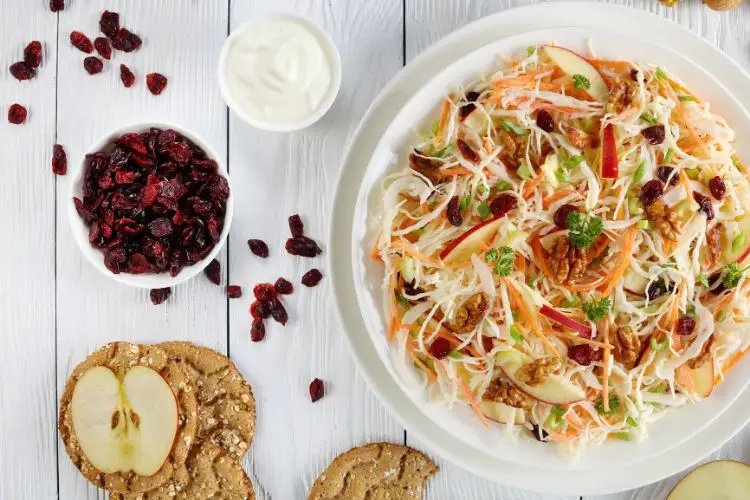
Whether you prefer the creamy kind or the vinegar-based varieties, coleslaw makes a crunchy, tangy side dish.  Classic cabbage coleslaw is a staple at most barbeques and pairs perfectly alongside main courses of meat or fish.

Similar to kimchi and sauerkraut, the vinegar causes the cabbage in coleslaw to ferment.  Fermented foods, such as these are incredibly beneficial for gut health because of the probiotics they deliver.  The cabbage in coleslaw also provides a boost of antioxidants and essential fatty acids to keep your body running at optimal health.

You may be wondering how you can incorporate coleslaw into your Ketogenic lifestyle.  Keep reading for an amazing low carb recipe for Creamy Keto Coleslaw that won’t kick you out of ketosis.

Is Coleslaw Keto Friendly?

In short, coleslaw can be Keto-friendly if you use the right mayonnaise. Coleslaw can be made Keto at home by using whole egg mayonnaise which is low in carbs and offers a good amount of healthy fat.  The downside of buying store-bought varieties is that certain brands of mayonnaise and dressings on the market contain added sugar.  So always check the ingredient labels of mayonnaise or consider making your own with whole eggs.

When shopping for pre-made coleslaws, always compare ingredient labels of products to find the brands with the lowest amount of sugar.  If sugar is one of the first ingredients listed, it will have a higher carb count.  If sugar is near the end of the ingredients list, it will have fewer carbs. Stick to a moderate quarter-cup serving to ensure that you remain in ketosis.  

How Many Carbs are in Coleslaw?

A 100-gram serving of coleslaw contains 13.9 grams of net carbs.  A full 191-gram cup of coleslaw provides 28 grams of carbs.  If you’re following a strict low carb diet, choose low sugar varieties and consume this food in moderation.  A quarter-cup serving is a moderate amount for those on Keto.  Vinegar-based slaws tend to be lower in sugar than the creamy varieties.

How Many Calories are in Coleslaw?

 A 100-gram serving (about a half-cup) of coleslaw contains 152 calories.  A full 191-gram cup contains 291 calories.  Calories will vary by brand.  If you’re following a calorie reduction plan, make your own low carb coleslaw using a natural sugar-free sweetener, like Stevia, which reduces the calories considerably. (Keep reading for the recipe.)

Nutrition Facts

Amount: 100 grams of Coleslaw
Calories 152
Total Fat 10 grams 15%
Saturated fat 1.6 grams 8%
Polyunsaturated fat 5 grams
Monounsaturated fat 2.7 grams
Trans fat 0 grams
Cholesterol 4 milligrams 1%
Sodium 203 milligrams 8%
Potassium 129 milligrams 3%
Total Carbohydrate 15 grams 5%
Dietary fiber 1.9 grams 7%
Sugar 12 grams
Protein 1 grams 2%
Vitamin A 1% Vitamin C 24%
Calcium 3% Iron 1%
Vitamin D 0% Vitamin B-6 5%
Cobalamin 0% Magnesium 2%

Health Benefits 

Rich in Antioxidants

Coleslaw can heal the Gastro-Intestinal tract. Studies show that fresh cabbage can heal ulcers quicker than conventional treatments.

Fights Cancer

The cabbage in coleslaw is part of the popular cruciferous family of vegetables that contain molecules called isothiocyanates. These molecules have powerful anti-cancer properties that are especially helpful in fighting off leukemia, breast, prostate and lung cancers.

High in Vitamin K

The health of your bones depends on adequate intake of vitamin K.   The cabbage in coleslaw is a great source of this fat-soluble vitamin that assists in the mineralization of bones.

Vitamin K deficiency can cause minerals to be deposited into other body tissues, instead of in the bones, which can lead to hardening of blood vessels.

Rich in Antioxidants and Essential Fatty Acids

Cabbage is rich in polyphenols, which are molecules that have potent antioxidant power.  Polyphenols protect our bodies from oxidative damage and it is also beneficial for the skin.  Researchers show that people with a diet high in polyphenols experience less damage from solar UV rays than those with lower intakes of polyphenols.

Interestingly, cabbage contains a decent amount of essential fatty acids (EFAs), especially alpha-linolenic acid (a type of Omega 3).  These fatty acids are especially helpful for people with inflammation and improve conditions like cystic fibrosis.

Probiotics for Gut Health

Coleslaw made with cabbage is similar to sauerkraut if prepared with vinegar and allowed to ferment.  Fermented foods contain probiotics that improve gut health and assist digestion.  These probiotics help your gut produce the good bacteria and keeps the bad bacteria away.

Side Effects

coleslaw carbs

The cabbage in coleslaw may cause stomach upset in some people.  Even with low intakes of cabbage, people with IBS may experience symptoms, such as bloating, stomach pain, and diarrhea.

Creamy Keto Coleslaw Recipe

Ingredients:

  • 3 cups shredded cabbage
  • 1 cup red cabbage thinly sliced
  • 2 teaspoons apple cider vinegar
  • 2 teaspoons lemon juice
  • 1/4 teaspoon garlic powder
  • 1/4 teaspoon salt
  • 2 scallions diced
  • 1/4 cup parsley, chopped
  • 1/3 cup full fat, low-carb mayonnaise
  • 2 tablespoons full fat sour cream
  • Fresh ground black pepper, to taste

Instructions:

  1. In a large mixing bowl, add both types of shredded cabbage, diced scallions, and chopped parsley.  Toss together with a fork and set aside while you prepare the dressing.
  2. In a small bowl, mix the remaining ingredients and whisk together until well-incorporated.
  3. Pour some of the dressing into the salad and mix well. Continue to add more dressing until the coleslaw reaches your desired consistency and taste.
  4. Taste your coleslaw and adjust seasonings if necessary.
  5. Serve immediately, or store in the refrigerator for a day to allow it to ferment before serving.

Makes 8 servings, each containing 4 grams of carbs.

Is Coleslaw Good for Weight Loss?

Cabbage coleslaw is great for weight loss because it is low in fat and high in fiber.  Followers of the cabbage soup diet claim that the vegetable is a great way to quickly lose a few pounds, so coleslaw may offer the same.

coleslaw calories

The cabbage in coleslaw also offers detox properties. Its diuretic properties help expel excess liquid from the body, which releases toxins along with it. Like other cruciferous veggies, cabbage is high in sulfur which allows your liver to break down toxins so they can be more efficiently flushed out of the body.

Does Coleslaw Cause Gas?

Cruciferous veggies, such as the cabbage in coleslaw, contain complex sugars that the body can’t digest, called raffinose.  This sugar remains undigested until it is fermented by bacteria in the gut.  This results in gas and bloating.

Coleslaw also produces gas in the body because of its high soluble and insoluble fiber content.  The insoluble fiber doesn’t break down until reaching the small intestine.

Is Coleslaw Safe to Eat During Pregnancy?

During pregnancy, the body requires a wide array of vitamins, minerals and protein to support both baby and mother.  Coleslaw is a good source of B vitamins, most importantly B9 – also known as folate.  Folate is a vital nutrient for the development of the fetus’ brain and spinal cord. Regular consumption of foods rich in folate, like Coleslaw can help ensure the birth of a healthy baby.

In addition, cabbage is rich in Vitamin K, which is essential during pregnancy. Babies do not usually get enough vitamin K from their mothers during pregnancy or breastfeeding. Without adequate vitamin K, they are at risk of getting a rare disorder called ‘vitamin K deficiency bleeding’.  Consuming coleslaw made with shredded cabbage can help expectant and new mothers replenish their body with this vital nutrient and deliver the same to their baby.

Is Coleslaw Good for the Skin?

The cabbage in coleslaw can help you achieve beautiful, healthy, glowing skin!  This vegetable keeps skin looking healthy, toned, blemish-free and glowing because it is rich in antioxidants, such as vitamin C and beta-carotene.

‘Healing Foods’ by DK Publishing House states that cabbage contains vitamin C and K, antioxidants that protect skin from environmental damage from free radicals. The vegetable’s sulfur content may also be helpful in healing skin conditions, such as acne and eczema.

Is Quest Protein Powder Keto? Carbs and Calories Count


protein powder

If your goal is to minimize the carbs and sugar you consume, Quest Protein Powder makes a tasty shake with the macros you need to stay on track.  Quest Protein Powder offers an easy and versatile way to supplement your diet.  You can select from several flavors to optimize your low-carb or keto diet based on your preferences and goals.

The type of protein powder you choose can make or break your diet.  If you’re trying to slim down, there are a few key factors to consider:  Some protein powders are made for weight gain, not weight loss.  Some brands are high in nutrients, but also very high in calories.  Excessive protein consumption on a low-carb diet can also prevent you from getting into ketosis. 

In this article, we’ll investigate how Quest Protein Powder measures up when compared to other protein powders on the market.  Keep reading to find out which brands will best support your weight-loss journey.

Is Quest Protein Powder Keto Friendly?

With less than 1 gram of sugar in each scoop, Quest Protein Powder makes an excellent meal replacement or snack for Keto dieters.  

The only downside for those following the Keto diet is that this protein powder is low in fat.  However, you can boost the fat content and make Quest Protein Powder more keto-friendly by mixing it with cream, heavy cream, coconut milk or almond milk.

It should be noted that excessive protein consumption on a low-carb diet can prevent ketosis.  When you consume more protein than your body requires, some of its amino acids will be turned into glucose through a process called gluconeogenesis. This can become an issue for ketogenic dieters as it may prevent your body from reaching full-blown ketosis.

The Recommended Dietary Allowance (RDA) for protein is a modest 0.8 grams of protein per kilogram of body weight.  For example, a 90-kilogram adult (200-pounds) would require about 72 grams of protein daily.  A scoop of Quest Protein Powder contains 22 grams of protein (plus the amount of protein in the milk you mix it with), which is not an excessive amount of protein. 

protein powder calories

Quest Protein powder falls within the normal range for a meal replacement and most likely won’t prevent Ketosis, as long as you don’t overconsume protein in other meals throughout the day.

How Many Carbs are in Quest Protein Powder?

One 30-gram scoop of Quest Protein Powder contains only 3 grams of carbs.  Some people like to enhance the flavor of their shake by using more than the recommended scoop.  Be careful in doing this if you’re following a low carb diet plan as using 2 scoops will double the carbs.

How Many Calories are in Quest Protein Powder? 

Quest Protein Powder contains 110 calories per 30-gram scoop. When measuring a serving, use a butter knife to level off that scoop.  Using a heaping scoop will increase the calories.

Nutrition Facts

Serving Size: 1 Scoop of Quest Protein Powder  
Calories: 110 calories
Total Fat: 1 gram
Dietary Fiber: 1 gram
Total Sugars:  1 gram
Protein:  22 grams
Total Carbohydrate:  3 grams
Calcium: 320 milligrams
Iron: 1.5 milligrams
Potassium 150 milligrams

Ingredients:

Protein Blend (Whey Protein Isolate, Micellar Casein, Milk Protein Isolate), Cocoa (processed with Alkali), Natural Flavors. Contains less than 2% of the following: Sea Salt, Sunflower Lecithin, Cellulose Gum, Xanthan Gum, Silicon Dioxide, Sucralose, and Steviol Glycosides (Stevia).

Flavors of Quest Protein Powder

protein powder carbs

Quest Powder is available in the following varieties:

  • Chocolate Milkshake
  • Cinnamon Crunch
  • Cookies and Cream
  • Cold Brew Coffee Latte
  • Multi-Purpose
  • Peanut Butter
  • Salted Caramel
  • Vanilla Milkshake
  • Coconut Oil Powder
  • MCT Oil Powder

Other Keto-Approved Protein Powder Brands

  • Ketologie Keto Shake Chocolate Protein Powder – 150 calories, 3.6 grams of net carbs and 12.5 grams of fat per scoop.
  • 100% Keto Food Ketogenic Meal Replacement Shake – Vanilla Caramel – 180 calories, 1 gram of net carbs and 16 grams of fat per scoop.
  • Nature Fuel Keto Meal Replacement – 75 calories, 7 grams of net carbs, 7.5 grams of fat per scoop.
  • ALOHA Organic Vanilla Plant-Based Protein Powder with MCT Oil – 60 calories, 3 grams of net carbs, and 2 grams of fat per scoop.
  • Ancient Nutrition Keto Collagen Protein Powder with Coconut MCTs – 90 calories, 0 grams of net carbs, and 6 grams of fat per scoop.
  • Amazing Grass Organic Plant Based Vegan Protein Superfood Powder with Vitamin Matrix, Rich Chocolate – 140 calories, 3 grams of net carbs, and 3 grams of fat per scoop.
  • Sunwarrior Classic Protein – 100 calories, 0 grams of net carbs, and 1.5 grams of fat.
  • Love Good Fats Vanilla Shake – 200 calories, 2 grams of net carbs, and 12 grams of fat.

Protein Powder Brands to Avoid on Keto

  • IsoWhey Sports Protein Powder  – 16.6 grams of carbs per scoop.
  • MuscleTech Mass-Tech, Milk Chocolate – 33.6 grams of carbs per scoop.
  • Pure Protein 100% Whey Protein Powder – 8 grams of carbs per scoop.
  • Body Fortress Whey Protein Powder – 7 grams of carbs per scoop.

Related Questions:

What is the Price of Quest Powder?

A 726-gram container of Quest Protein Powder is advertised for 29.99 on Quest’s web site.  Quest Protein Powder can also be purchased on other online stores, such as Amazon or at select grocery stores, so look around for the best bargain.  Prices may vary by store.

Is Quest Protein Powder Healthy?

Quest uses new, cutting edge ingredients with metabolic advantages. Quest’s Protein Powder uses dairy-based protein which offers a full amino acid profile.  The brand also uses low-calorie sweeteners that are not metabolized by the body, so they won’t spike blood sugar.  Additionally, they use FDA approved fiber sources.

Is Quest Protein Powder Good for Weight Loss?

A diet that reduces caloric intake will help you to lose weight regardless of whether the calories come from solid food or liquid food.  Because protein shakes usually have fewer calories than the meals you would otherwise consume, they can help you slim down.

Additionally, boosting your protein intake with shakes or smoothies can help prevent you from losing muscle mass when you lose weight.

A typical protein shake diet replaces one or two meals daily with a shake.  We recommend Quest Protein Powder (or one of the other Keto-approved brands mentioned earlier) mixed with milk. Many dieters choose to mix it with water instead as it doesn’t add any extra calories or carbs.

Is Quest Protein Powder Safe for Diabetics?

Most protein powders are heavily processed and can be high in sugar.  However, Quest uses sucralose, which doesn’t have a negative impact on diabetic individuals. In fact, it doesn’t have an effect on your blood sugar levels at all. When you consume sucralose, it simply passes through your body without being absorbed.

Additionally, Quest Protein Drinks contain reasonably healthy ingredients and are completely safe for people with diabetes to consume as part of a healthy diet.

What’s more, protein may also have other benefits for people with diabetes.  Consuming additional protein may reduce the likelihood of having blood sugar spikes.  Quest’s Protein Powder is a healthy option for diabetics, as protein digests slower than carbs, resulting in less chance of blood sugar spikes.

Is Quest Protein Powder Gluten-Free?

Quest Protein Powder does not contain gluten or wheat products.  However, they are processed in a facility that also processes eggs, peanuts, soy, wheat, tree nuts and fish.  So if you have a severe allergy to any of the above ingredients, proceed with caution. 

Is Quest Protein Powder Safe to Consume During Pregnancy?

All of Quest’s products, including Quest Protein Powder, are safe for all stages of pregnancy.  In fact, women need more protein than normal when they’re pregnant.  Because a serving of Quest Protein Shake contains 30 grams of protein (60% of your daily requirement), it can help you meet your daily requirements of this nutrient.  Experts recommend 75 to 100 grams of protein per day.

Protein assists in the growth of fetal tissue, including the brain and increases blood supply.  Additionally, protein helps the breast and uterine tissue to grow during pregnancy. 

With that being said, it’s always a good idea to run any supplements by your obstetrician-gynecologist (OB-GYN).

Does Quest Protein Powder Contain Genetically Modified (GMO) Ingredients?

Quest Protein Powder does not contain any genetically modified (GMO) ingredients, therefore, individuals who are sensitive to GMO products can rest assured when consuming them.

Are Pistachio Nuts Keto? Carbs and Calories in Pistachios


pistachio keto

People have been eating pistachios since ancient times and this nut remains a popular ingredient in many recipes and desserts even today.  These crunchy nuts are green or purple in color, adding a fun speckling of natural color to ice cream and cookies.

If you’re on a low carb diet, try making your own Keto-friendly Pistachio ice cream using the recipe that appears later in this article.

Not only are pistachio nuts tasty, but they’re also one of the healthiest nuts you can eat. Did you know that pistachios contain more antioxidants than most other nuts and seeds?  They’re also chock full of healthy fat, protein and fiber to improve heart and gut health.

Believe it or not, pistachios contain several essential nutrients that can even aid weight loss.  Despite their high-calorie count, studies show these healthy, high-fiber nuts may help your body burn fat. 

Pistachios aren’t just another ordinary nut.  Keep reading to find out what makes them so special and discover how snacking on them can help you on your quest toward better health.

Are Pistachio Nuts Keto Friendly?

A serving of pistachios is one ounce, or 49 nuts, which provides nearly 8 grams of carbohydrates and 12 percent of the Daily Value of fiber. 

An additional benefit if you purchase them shelled with salt added, it can help balance sodium levels and prevent loss of this important mineral.  Getting enough sodium is important for those on Keto as it prevents dehydration and restores electrolyte balance to ward off symptoms of the “Keto flu”.

How Many Carbs are in Pistachio Nuts?

On a strict low carb diet, it’s best to keep the serving size to a moderate 25 grams of pistachios, which contains a mere 4.5 grams of carbs. 

A 100-gram serving of pistachios contains 28 grams of total carbs and 10 grams of fiber.  The high fiber content brings the tally of digestible net carbs to 18 grams per serving.  This amount will quickly kick you out of ketosis, so be mindful when snacking on pistachios.

A full cup of nuts weighing 123 grams contains 21 grams of net carbs, after accounting for fiber.  

How Many Calories are in Pistachio Nuts?          

 At only four calories each, pistachios are a relatively low-calorie snack in moderation.  However, if you go overboard and eat a 100-gram serving of pistachios, you’ll consume a whopping 562 calories. If you’re following a calorie reduction diet plan, keep your serving size to a 25-gram amount.

Nutrition Facts

Amount: 100 grams of Pistachios
Calories 562
Total Fat 45 grams 69%
Saturated fat 6 grams 30%
Polyunsaturated fat 14 grams
Monounsaturated fat 24 grams
Trans fat 0 grams
Cholesterol 0 milligrams 0%
Sodium 1 milligrams 0%
Potassium 1025 milligrams 29%
Total Carbohydrate 28 grams 9%
Dietary fiber 10 grams 40%
Sugar 8 grams
Protein 20 grams 40%
Vitamin A 8% Vitamin C 9%
Calcium 10% Iron 21%
Vitamin D 0% Vitamin B-6 85%
Cobalamin 0% Magnesium 30%

Health Benefits

pistachio carbs

Overview:

Pistachios are high in protein, fiber, and antioxidants. They also provide a good dose several other important nutrients, including vitamin B6, thiamine and potassium.

Promotes Healthy Vision

Pistachios are among the most antioxidant-rich nuts on the planet. They’re high in lutein and zeaxanthin, two antioxidants that promote eye health.  From pistachios, these antioxidants are very accessible by the stomach, so they are easily absorbed during digestion to benefit organs like your eyes.

Provides Essential Amino Acids

Interestingly, pistachios also have a higher ratio of essential amino acids than any other nut. Amino acids are vital for your health as they are the building blocks of protein for your body.  They are considered essential because your body cannot make them, so you must obtain them from your foods like pistachios.

Improves Gut Health

Because pistachios are high in fiber, they promote healthy gut bacteria. In fact, eating pistachios regularly may increase the number of beneficial bacteria that produce short-chain fatty acids, such as butyrate.

Lowers LDL Cholesterol and Improves Blood Pressure

Pistachios may reduce your risk of heart disease by lowering cholesterol and blood pressure.  Studies show that eating pistachios may help lower blood cholesterol levels. Pistachios are also known to lower blood pressure better than any other nuts.   

Supports Healthy Blood Vessels

Pistachio nuts may play an important role in promoting blood vessel health. That’s because they are rich in L-arginine, which, when converted into nitric oxide, helps dilate your blood vessels.

Side Effects

Nutritionists warn that eating too many pistachios may lead to excess weight, which is not good for the heart.  If you eat a lot of pistachios, you should take into account the nut’s high fat and often high salt levels, which could cancel out any beneficial effects.

Nut allergies are one of the most common allergies out there and could have serious health effects for some people.  If you have allergies to tree nuts, avoid consuming pistachios.

Keto Pistachio Ice Cream

Ingredients:

  • 1/2 cup pistachios, chopped, toasted
  • 1/2 cup half and half
  • 2 egg yolks
  • 1/2 cup coconut milk
  • 1 cup heavy cream
  • 1/2 cup Stevia or sugar-free sweetener of choice
  • 1/2 teaspoon glycerin (for soft ice cream)
  • 1/2 teaspoon vanilla (extract or the innards of a vanilla bean)

Instructions:

  1. In a small saucepan, toast the pistachios over medium heat for about 5 minutes until they release a nutty fragrance. Reduce the heat and pour in the half and half. Heat until bubbles form. Remove from the heat, cover and let steep for 30 minutes with vanilla.
  2. Whisk the egg yolks into the warm half and half to temper them. Reheat over low until the mixture thickens enough to coat the back of a spoon.
  3. In a blender combine the pistachios, half and half, egg yolks, coconut milk, heavy cream, and sweetener. Blend until smooth and then refrigerate until cold. Freeze in an ice cream machine according to the manufacturer’s directions.  If you don’t own an ice cream maker, put the mixture in the freezer and churn it every hour until it solidifies.
  4. If desired you can add additional toasted pistachios during the last stages of churning or sprinkle them on top at serving time.

Related Questions:
Are Pistachio Nuts High in LDL “Bad” Cholesterol?

pistachio calories

“A handful of pistachio nuts a day could protect your heart”, according to the Daily Express. One study has shown that pistachios reduced the levels of “bad” cholesterol in the blood by 10% in participants who consumed 126 grams of salted pistachio nuts daily.

Compared to the control diet, those who consumed two pistachio servings a day significantly reduced their total cholesterol by 8% and LDL-cholesterol (the unhealthy type of cholesterol) by 11.6%.

Are Pistachio Nuts Good for Weight Loss?

Eating pistachio nuts may assist in weight loss because nuts are highly satiating and help reduce overall calorie intake. Pistachios rank high on the Satiety Index scale, which means they may help you feel fuller for longer. Regularly snacking on pistachio nuts keeps you satisfied and may prevent overeating at mealtime.  The reason for this is because pistachios are rich in fiber and protein, two nutrients that increase feelings of satiety to help you eat less.

High-protein foods, like pistachio nuts, may also boost your metabolism by up to 80–100 calories per day because extra energy is needed to help metabolize the protein in foods.

According to a 24-week study published by the Diabetes Foundation in New Delhi, India, individuals with excess weight showed that those who consumed 20% of calories from pistachios lost 0.6 inches (1.5 centimetres) more from their waistlines than those who did not consume pistachios. 

In-shell pistachios are especially beneficial to dieters.  Having to shell each nut as you eat them, slows down your snacking pace, thus promoting mindful eating. 

Is it Safe to Eat Pistachios Every Single Day?

Eating nuts on a regular basis may improve your health in many ways, such as by reducing diabetes and heart disease risk, as well as cholesterol and triglyceride levels.  A healthy daily intake of nuts is 30 grams, which is equivalent to about a handful.

Are Pistachio Nuts Safe for Diabetics?

The American Diabetes Association claims nuts are an excellent snack choice for people with diabetes.  Pistachios, in particular, have a low glycemic index, which promotes lower blood sugar levels and prevents large blood sugar spikes.

According to one study, when 2 ounces (56 grams) of pistachios were added to a carb-rich diet, the participants’ blood sugar response after a meal was reduced by 20–30%.   Along with being high in fiber and healthy fats, pistachio nuts also offer a good dose of in antioxidants, carotenoids, and phenolic compounds, all of which are helpful for blood sugar control

Are Quest Protein Shakes Keto? Carbs and Calories Count


quest shakes keto

Quest Protein Shakes make a great meal replacement or snack to help curb hunger and keep you feeling satisfied throughout the day so that you stay on track.  Grabbing one of these shakes on the go is a great way to boost your protein intake.

Everyone needs protein, as every cell in your body requires this important nutrient to function. Protein helps to build muscle and keep you slim.  It is also the main building block for the skin, nails, bones, and blood.  Protein makes up hormones, enzymes, and antibodies as well.  Just one Quest Protein Shake provides 60% of your daily protein needs for optimal health!

These shakes come pre-packaged and ready-made which makes them super convenient to take with you to work or the gym.  No mixing powders into potions required.  Yet, you can always give this shake a trip around the blender, with some ice and a handful of berries or spinach to increase the nutrient factor and taste.

All that aside, you’re probably here because you’re wondering how healthy these shakes are and if they can help you lose weight.  You might also like to know which shakes on the market are best for low carb diets.  Keep reading to find out how you can incorporate Quest Protein Shakes into your diet so that you’ll have the pounds flying off in no time.

Are Quest Protein Shakes Keto Friendly?

Many people following low-carb or ketogenic diets utilize protein shakes to supplement their diet.  Quest Protein Shakes contain only 3 grams of net carbs, making them an excellent meal replacement or snack for those following a low carb diet, like Keto.  With only 1 gram of sugar, these protein shakes won’t kick you out of ketosis.  They also pack a whopping 30 grams of protein – that’s 60% of your daily requirement – which will keep you feeling full until your next meal. 

Most Ketogenic diet resources suggest an average of 70-80% fat from total daily calories.  Although Quest Protein shakes contain only 3.5 grams of fat, Keto dieters don’t have to worry about feeling satiated as the hefty dose of protein is sure to do the job.  If not, you can always grab a handful of nuts to enjoy alongside your shake for some added fat.

How Many Carbs are in Quest Protein Shakes?

 A 325-millilitre Quest Protein Shake contains 4 grams of total carbs and only 3 grams of digestible net carbs (after accounting for 1 gram of fiber). Having a protein shake as a meal replacement for breakfast or lunch is a helpful way to allow for a higher carb dinner.

How Many Calories are in Quest Protein Shakes?

 A 325-millilitre Quest Protein Shake contains 160 calories.   A breakfast of bacon and eggs can run upwards of 750 calories.  Those following a calorie reduction plan would benefit from replacing breakfast with a shake and then following that with a healthy lunch and dinner.

Nutrition Facts

Serving Size: Quest Protein Shake, 325 millilitres
Calories: 160 calories
Total Fat: 3.5 grams
Dietary Fiber: 1 gram
Total Sugars:  1 gram
Protein: 30 grams
Total Carbohydrate: 4 grams
Calcium: 830 milligrams
Iron: 2.7 milligrams
Potassium: 260 milligrams

Ingredients:

Water, Milk Protein Concentrate. Contains less than 1% of the following: Cocoa Processed with Alkali, Sunflower Oil, Natural Flavors, Sunflower Lecithin, Salt, Sodium Polyphosphate, Trisodium Phosphate, Gellan Gum, and Sucralose.

Flavors of Quest Protein Shakes

quest protein shakes keto

Quest Shakes is available in the following varieties:

Other Keto-Approved Protein Shakes

  • Atkins Advantage Shakes contains only 1 gram of net carbs per 325 millilitre serving.
  • Premier Protein Nutrition High-Protein Shake contains 2 grams of net carbs per 325-millilitre serving.
  • SlimFast Advanced Nutrition Shake contains only 2 grams of net carbs per 325-millilitre bottle.
  • Muscle Milk Genuine Protein Shake contains 4 grams of net carbs per 330-millilitre carton.
  • Ensure Max Protein Nutritional Shake contains 4 grams of net carbs per 330-millilitre carton.

Protein Shakes to Avoid on Keto

  • Boost High Protein Shake contains 28 grams of net carbs per 237-millilitre container.
  • Body Attack Low Carb Protein Shake contains 18 grams of net carbs per 500 millilitres.
  • Vega Protein Nutrition Shake contains 10 grams of net carbs per 325-millilitre bottle.

Related Questions:

What is the Price of Quest Shakes?

A 2-pack of Quest Protein Shakes is advertised online for $9.33 on Quest’s web site.  A pack of 4 will run you over 50 dollars on other sites like Campus Protein.  Quest Protein Shakes can also be purchased on other online stores, such as Amazon or at select grocery stores, so look around for the best bargain.  Prices may vary by store.

Are Quest Protein Shakes Healthy?

Quest Protein Shakes are simply made with only 11 ingredients. The end result is a delicious, naturally-flavored shake that provides your body a hefty dose of quality protein, calcium, iron and potassium.  Quest shakes are also low in fat and sugar, which puts them a step above the competition.

Are Quest Protein Shakes Good for Weight Loss?

Some people introduce more protein into their diet as part of a weight-loss diet.  Since protein takes longer to digest than carbohydrates, it increases the feeling of being full, known as satiety. The person will not feel hungry so quickly after consuming protein.

Adding protein to the diet may help a person lose weight, as long as they use the protein to replace carbs and fats. Adding protein to an existing high-carb, high-fat diet will not lead to weight loss.

Protein should not replace fresh fruits, vegetables, and wholegrain foods, as these provide fiber. Reducing fiber intake can lead to a number of health problems.

Combining protein foods — including shakes — with high-fiber ingredients can help people with diabetes maintain a healthy weight.

Are Quest Protein Shakes Safe for Diabetics?

Most protein shakes are often highly processed and can contain a lot of sugar.  Quest uses sucralose, which doesn’t have a negative impact on diabetic individuals. It has zero effect on your blood sugar levels at all. When you eat sucralose, it simply passes through your body without being absorbed. Additionally, Quest Protein Drinks contain reasonably healthy ingredients and are completely safe for people with diabetes to consume as part of a healthy diet.

What’s more, protein may also have other benefits for people with diabetes.  Consuming additional protein may reduce the likelihood of having blood sugar spikes.  Quest’s low sugar protein shake is a nutritious option, as protein digests slower than carbs, resulting in less chance of blood sugar spikes.

Are Quest Protein Shakes Gluten-Free?

Quest Protein Shakes do not contain gluten or wheat products.  However, they are processed in a facility that also processes soy and tree nuts.  So if you have severe soy or nut allergy, proceed with caution. 

Are Quest Protein Shakes Safe to Eat During Pregnancy?

All of Quest’s products, including Quest Protein Shakes, are safe for all stages of pregnancy.  In fact, women need more protein than normal when they’re pregnant.  Because a serving of Quest Protein Shake contains 30 grams of protein (60% of your daily requirement), it can help you meet your daily requirements of this nutrient.  Experts recommend 75 to 100 grams of protein per day.

Protein assists in the growth of fetal tissue, including the brain and increases blood supply.  Additionally, protein helps the breast and uterine tissue to grow during pregnancy.

Do Quest Protein Shakes Contain Genetically Modified (GMO) Ingredients?

Quest Protein Shakes do not contain any genetically modified (GMO) ingredients, therefore, individuals who are sensitive to GMO products can rest assured when consuming them.