Recent Posts

Are Artichokes Keto Friendly? Carbs and Calories In Artichokes


artichoke keto

Whether fresh or canned, hot or cold, artichokes are delicious in salads, antipasto, dips or any dish that might be enhanced by their salty, briny flavor.

Artichokes offer a number of amazing health benefits.  They have the power to improve digestion, promote heart health, and provide liver support.

Artichoke extract also offers powerful medicinal properties that have been extensively researched.  This extract has been shown to lower cholesterol levels, blood sugar, and blood pressure – to name just a few advantages.

What’s more, this wondrous veggie can help purify the body and even promote weight loss.  Keep reading to find out how artichokes can promote good health and help you slim down.

Are Artichokes Keto Friendly?

Artichokes are fairly low in carbs and high in fiber.  Fiber-rich veggies like artichokes are a good option for the Keto diet because the presence of fiber lowers the digestible net carbs.  They’re also a great way to avoid constipation, which is often a symptom of the Keto diet.

How Many Carbs are in Artichokes?

One medium-sized artichoke contains 13 grams of total carbs. Artichokes are high in fiber which lowers the net carb count to only 8 grams per medium artichoke.

How Many Calories are in Artichokes?

One medium artichoke contains 60 calories.  Adding butter to artichokes or cooking them with oil will increase the calorie content significantly. Each tablespoon of butter or oil used will add 100 calories.

Nutrition Facts

Amount: 1 medium artichoke (128 grams)
Calories 60
Total Fat 0.2 grams 0%
Saturated fat 0 grams 0%
Polyunsaturated fat 0.1 grams
Monounsaturated fat 0 grams
Cholesterol 0 milligrams 0%
Sodium 120.3 milligrams 5%
Potassium 473.6 milligrams 13%
Total Carbohydrate 13 grams 4%
Dietary fiber 7 grams 28%
Sugar 1.3 grams
Protein 4.2 grams 8%
Vitamin A 0% Vitamin C 25%
Calcium 5% Iron 8%
Vitamin D 0% Vitamin B-6 5%
Cobalamin 0% Magnesium 19%

Health Benefits 

artichoke carbs

A Powerhouse of Nutrients

Artichokes are loaded with vitamins and minerals like vitamin C, vitamin K, folate, phosphorus, and magnesium. They are also one of the richest sources of antioxidants.

You’ll get more of these vitamins and minerals if you consume raw artichokes because some of the nutrients will be cooked off during the boiling process.  While cooked artichokes do contain a decent amount of these nutrients, raw artichokes have more.

Consuming this vegetable raw provides the percent daily recommended intake (RDI) of the following nutrients:

  • Vitamin C        25% of the RDI          
  • Vitamin K        24% of the RDI          
  • Thiamine        6% of the RDI
  • Riboflavin       5% of the RDI
  • Niacin             7% of the RDI
  • Vitamin B6      11% of the RDI
  • Folate              22% of the RDI          
  • Iron                 9% of the RDI
  • Magnesium    19% of the RDI          
  • Phosphorus    12% of the RDI          
  • Potassium       14% of the RDI          
  • Calcium           6% of the RDI
  • Zinc                 6% of the RDI

Promotes Healthy Cholesterol Levels

Studies show that artichoke extract may reduce unhealthy LDL cholesterol while increasing healthy HDL cholesterol.

Lowers Blood Pressure

Research suggests that artichokes and artichoke extract may help lower blood pressure in individuals with elevated levels.  Various studies indicate that artichoke extract contains a special enzyme that helps widen blood vessels, which is thought to improve blood pressure.

Protects the Liver

Consuming artichokes and taking artichoke extract may help protect your liver from damage and help improve fatty liver disease. However, more research is required to verify these effects.

One study published by Helwan University in Cairo, Egypt reported that artichoke extract administered to rats resulted in reduced liver damage, higher antioxidant levels, and significantly improved liver function after an induced drug overdose, compared to rats not given artichoke extract.  Studies on humans also show beneficial effects on liver function.

Aids in Digestion

Artichokes contain inulin, a type of fiber that acts as a prebiotic in the gut. Both the vegetable and its leaf extract help maintain digestive health by boosting healthy gut bacteria and relieving indigestion.  The fiber can help keep your digestive system healthy and lower the risk of bowel cancer while helping to prevent both constipation and diarrhea.

Helps Lower Blood Sugar

Some evidence suggests that artichokes and artichoke leaf extract may lower blood sugar levels. 

One study published by the University of Pavia in Italy looked at the blood sugar of 39 overweight adults who consumed artichoke extract daily for two months lowered fasting blood sugar levels compared to not those who didn’t consume the artichoke extract.

Anti-Cancer Properties

Various test-tube and animal studies suggest that artichokes and artichoke extract may fight the growth of cancer cells.  The antioxidants in artichokes are thought to be responsible for this effect, such as rutin, quercetin, silymarin, and gallic acid.  In fact, silymarin has been found to help prevent and treat skin cancer in animal and test-tube studies.

Side Effects

Artichokes are safe when consumed in normal food amounts. Artichoke is also safe for most people when taken by mouth medicinally.

In some individuals, artichokes can cause side effects such as gas, upset stomach, and diarrhea. Artichoke might also cause allergic reactions in some people.

Individuals with bile duct obstruction or gallstones should avoid artichokes and artichoke extract due to their ability to promote bile movement.

Side effects of artichoke extract are rare; however, women who are pregnant or breastfeeding should avoid taking the extract.

Related Questions:

artichoke calories

Are Artichokes Good for Weight Loss?

Artichokes are low in calories so they make a great food choice for those who are trying to slim down. 

The vegetable also contains cinnarine, a substance that has a diuretic effect on the body to improve the digestion of fats and help eliminate them.

Additionally, artichokes are high in fiber to assist in lowering blood glucose and control cholesterol levels, two effects that are advantageous for obese individuals.

Do Artichokes Cause Gas?

Artichokes contain a type of fiber that is not completely digested in the small intestine. Therefore, the good bacteria in the large intestine work to digest the fiber.  As a result, gas is caused by consuming this vegetable. Eating copious amounts of artichokes will increase the gas, along with other veggies like asparagus, cabbage, and onions.

Are Artichokes Safe to Eat During Pregnancy?

Artichoke hearts are not only safe, but they also provide lots of healthy nutrients for expectant mothers and their babies. 

However, pregnant or nursing women should avoid artichoke extract due to a lack of safety information.

What Part of the Artichoke is Inedible?

The artichoke consists of several parts:  The pointy leaves, the furry choke and the heart.  You may be wondering, which parts are edible and which parts you should toss.

Simply peel off a petal, then scrape off the tender portion at the tip with your teeth, discarding the pointy part of the outer leaves. The heart is completely edible.

The sharp end of the leaves, the hairy area at the bottom, and the stem should not be eaten as these parts could cause bowel obstruction or pose a choking hazard.

Once all the leaves are removed, the artichoke heart remains.  It resembles a furry ball.  Scrape off the furry part with a fork until you are left with just the artichoke heart.  You can dip it in butter, oil, or balsamic vinegar or add it to salads.

What is the Best Way to Cook Artichokes?

You can steam boil, grill, braise, bake, roast, or sauté artichokes. Artichokes can also be stuffed or breaded.

Boiling artichokes tend to water-log them and cook off some of their nutrients, but steaming them helps them retain most of their vitamins and minerals.

Artichokes are also delicious roasted in olive oil and garlic, whether eaten on their own, in dishes, atop pizza or salad.

Are Pecans Keto? Carbs and Calories in Pecans


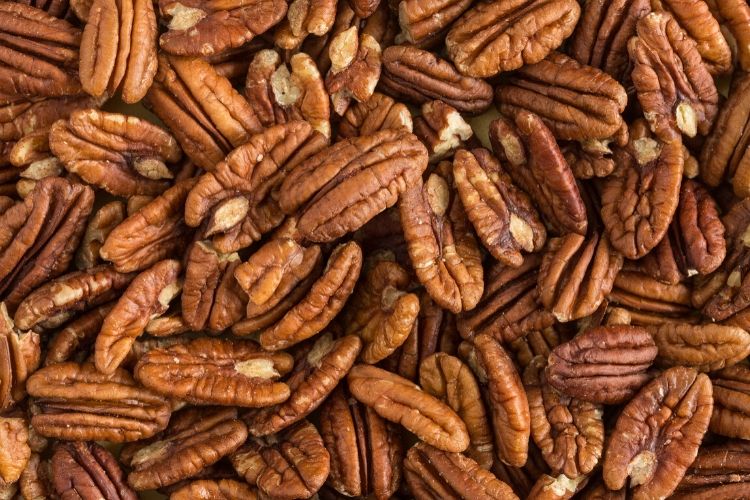
The pecan is a gourmet nut with a mild, buttery flavor produced by the hickory tree. They are similar in taste to the walnut and are a popular ingredient in many dessert recipes, especially pecan pie, butter tarts, and butter pecan ice cream.

These nuts aren’t just good for desserts, they’re also good for your health.  Not only do pecans offer a number of nutrients and antioxidants that your body needs, but they also promote heart health and lower cholesterol.  Keep reading to find out why you should incorporate more pecans into your meal plan to support your health and vitality.

Included in this article is a delectable recipe for Keto Butter Pecan Toffee Bars.  These bars are sugar-free and low in carbs.  When you bite into one of them, you’ll be surprised how much they taste like pecan pie!  Enjoy one of these along with your mid-morning cup of coffee or in the evening when you’re craving a sweet treat because dieting doesn’t have to mean skipping dessert!

Are Pecans Keto Friendly?

Pecans are one of the lowest carb nuts on the market, with Brazil nuts and macadamias not far behind.  These nuts make a great choice when following the Keto diet as they are low in carbs and high in satiating fat – which is perfect for Keto.  As with most foods, be sure to eat them in moderation.

The worst options for Keto include pistachio and cashew nuts, which are much higher in carbs than pecans.

How Many Carbs are in Pecans?

One ounce of pecans (28.4 grams) contains 3.9 grams of total carbs.  After accounting for 2.7 grams of fiber, net digestible carbs drop to only 1.2 grams.  It is better to snack on pecans on their own rather than adding them to baked goods, which boosts the carb count.

How Many Calories are in Pecans?                     

One ounce of pecans (28.4 grams) contains 196 calories. Ten nuts provide just 98 calories.  Like most nuts, most of the calories in pecans come from fat, as they contain 20 of fat grams per serving.

Nutrition Facts

Amount: 1 ounce (28.4 grams) of pecans (about 19 halves)
Calories 196
Total Fat 20 grams 30%
Saturated fat 1.8 grams 9%
Polyunsaturated fat 6 grams
Monounsaturated fat 12 grams
Cholesterol 0 milligrams 0%
Sodium 0 milligrams 0%
Potassium 116.2 milligrams 3%
Total Carbohydrate 3.9 grams 1%
Dietary fiber 2.7 grams 10%
Sugar 1.1 grams
Protein 2.6 grams 5%
Vitamin A 0% Vitamin C 0%
Calcium 1% Iron 3%
Vitamin D 0% Vitamin B-6 5%
Cobalamin 0% Magnesium 8%

Health Benefits

Overview:

Pecans are rich in manganese, a mineral that helps your metabolism to function properly. They are also a good source of thiamine, vitamin E, vitamin B6, iron, magnesium, phosphorus, zinc, and copper.

Promotes Heart Health

Pecans contain a decent amount of vitamin E, a nutrient that helps prevent heart disease.

These nuts also provide a little polyunsaturated fat and monounsaturated fat, which are considered healthy fats.  These fats are derived from plant sources and can help lower levels of unhealthy LDL cholesterol.

High in Antioxidants

Pecans high antioxidant activity can reduce the risk of developing cancer and heart disease.  These antioxidants also help prevent neurological diseases like dementia and Alzheimer’s.  In fact, pecans contain the most antioxidants than any other nut, according to the USDA.

Assists the Nervous System

Incorporating pecans into your meal plan can help protect your nervous system and delay the progression of age-related motor neuron degeneration.  According to the Center for Cellular Neurobiology at the University of Massachusetts Lowell, pecans can help prevent the onset of Amyotrophic Lateral Sclerosis (ALS), also called Lou Gehrig’s disease.

Side Effects

Tree nut allergies are common.  If you have an allergy to nuts, you should avoid pecans or foods containing pecans.

The American Academy of Allergy, Asthma, and Immunology reports that it is possible to have an allergy to one type of tree nut and not have a reaction to others.

In those who are allergic, reactions to pecans or other tree nuts can be mild to severe, and may even cause life-threatening anaphylaxis.  See a qualified healthcare provider for an allergy screening before consuming pecans if you suspect that you may be allergic.

Top 7 Low Carb Nuts

  1. Pecan nuts – 50 grams (a large handful) contains 2 grams of net carbs.
  2. Brazil nuts – 50 grams contains 2 grams of net carbs.
  3. Macadamia – 50 grams contains 2.5 grams of net carbs.
  4. Hazelnuts – 50 grams contains 3.5 grams of net carbs.
  5. Walnuts – 50 grams contains 3.5 grams of net carbs.
  6. Peanuts – 50 grams contains 4 grams of net carbs.
  7. Almonds – 50 grams contains 4.5 grams of net carbs.  

Keto Butter Pecan Toffee Bars

Ingredients for Shortbread Crust:

  • 1 1/4 cups almond flour
  • 1/4 cup powdered Swerve or Stevia (or sugar-free sweetener of choice)
  • 1/4 teaspoon pink Himalayan sea salt
  • 1/4 cup butter, chilled and cut into small chunks

Instructions for Shortbread Crust:

  1. Preheat oven to 325 degrees Fahrenheit.  Line a small square baking pan with parchment paper.
  2. In a mixer, combine almond flour, powdered sweetener, and salt. Pulse to mix well. Sprinkle with butter pieces and continue mixing until it is well incorporated forming a crumbly crust. If you are mixing the ingredients by hand, you can cut in the butter using a pastry cutter.
  3. Press crust mixture into the bottom of baking pan and bake about 13 minutes, until crust begins to brown slightly at the edges. Remove from oven and set aside to cool.

Ingredients for Topping:

  • 3/4 cup granulated Swerve Sweetener
  • 1/2 cup butter
  • 1/2 teaspoon vanilla extract
  • Pinch pink Himalayan sea salt
  • 2 tablespoons powdered Swerve or (sweetener of choice)
  • 3 cups pecans, whole or halves

Instructions for Topping:

  1. In a small saucepan over medium heat, combine sweetener and butter and stir until it dissolves. Bring to a boil and let it cook for about 5 minutes until the buttery mixture darkens.
  2. Remove from heat and stir in vanilla extract and sea salt. Add in the powdered sweetener at this point to avoid the mixture separating.
  3. Arrange pecans evenly onto the crust and then pour toffee mixture over top. Bake for about 15 more minutes, until the color darkens and the topping begins to bubble. Remove from oven and refrigerate before cutting into bars.

Makes 16 bars.  Each serving contains only 1.83 grams of net carbs.

Related Questions:
Are Pecans High in LDL “Bad” Cholesterol?

pecans tart calories

Pecans are completely cholesterol-free. 

Recent research shows that consuming a serving of pecans daily can help lower levels of LDL, or the unhealthy type of cholesterol that is linked with heart disease.

Are Pecans Good for Weight Loss?

Nuts can make a healthy snack if you are trying to slim down, however, it is important to eat them in moderation as they do contain a lot of fat and calories.  With that being said, they also contain protein and fiber to curb hunger and keep you satisfied.

Weight loss experts suggest that dieters consume high-protein, fiber-rich foods to help them eat fewer calories throughout the day, in order to create the calorie deficit that is needed for weight loss.

Salted nuts taste better and can signal you to eat more of them, resulting in overeating.  Consuming too many nuts can lead to weight gain.  So stick to the proper serving size of pecans, which is about a handful.

Are Pecans Safe for Diabetics?

Polyunsaturated fat, like the type of fat in tree nuts, is especially beneficial to people with diabetes as these plant-based healthy fats can improve lipid levels.

Consuming foods that contain polyunsaturated fats can help control elevated blood glucose if eaten in moderation.

Consume whole nuts instead of candied pecans or sugary desserts containing pecans which can spike blood sugar.

Are Brussel Sprouts Keto Friendly? Carbs and Calories in Brussel Sprouts


brussel sprouts keto

People seem to have a love-hate relationship with Brussel sprouts… They either love them or hate them.  Overcooked sprouts can be mushy and odorous; however, properly cooked sprouts are actually quite delicious and can lend a sweet, nutty flavor to dishes.

In this article, learn the best ways to prepare and cook your Brussel sprouts.  If you weren’t a fan before, you just might learn to like them.

These cruciferous vegetables look just like mini cabbages and are one of the most nutritious vegetables out there.  They are easy to incorporate into side dishes and main courses, like pasta, frittatas, salads, or casseroles.

Brussels sprouts offer a number of health benefits.  They have the power to reduce cancer risk, decrease inflammation, and improve blood sugar control.  Keep reading to discover all the ways these amazing little sprouts can positively impact your health.

Are Brussel Sprouts Keto Friendly?

Brussels sprouts are low in carbs and make a great food choice for those following the Keto diet. Brussels sprouts are high in fiber, which brings the net carbs down to just 4.7 grams per cup, which makes them a Keto friendly vegetable to add to your meal plan. 

Add a tablespoon of butter or use a healthy oil to cook them and eat them with a serving of meat to get more protein and healthy fats.  This will help keep you satiated without the carbs. 

How Many Carbs are in Brussel Sprouts?

One cup of Brussel sprouts (88 grams) contains 8 grams of total carbs.  Brussel sprouts contain 3.3 grams of fiber per cup, so that lowers the net digestible carbs down to only 4.7 grams per serving.  Brussel sprouts pair well with meats like beef, pork or lamb and roast them together with other low carb veggies for a Keto-friendly dinner.

How Many Calories are in Brussel Sprouts?

There are only 38 calories in a cup of Brussel sprouts.  If you add butter to your Brussel sprouts or cook them with oil, the calorie count will increase by 100 calories for every tablespoon of fat used.

Nutrition Facts

Serving: 1 cup of Brussel Sprouts (88 grams)
Calories 38
Total Fat 0.3 grams 0%
Saturated fat 0.1 grams 0%
Polyunsaturated fat 0.1 grams
Monounsaturated fat 0 grams
Cholesterol 0 milligrams 0%
Sodium 22 milligrams 0%
Potassium 342.3 milligrams 9%
Total Carbohydrate 8 grams 2%
Dietary fiber 3.3 grams 13%
Sugar 1.9 grams
Protein 3 grams 6%
Vitamin A 13% Vitamin C 124%
Calcium 3% Iron 6%
Vitamin D 0% Vitamin B-6 10%
Cobalamin 0% Magnesium 5%

Types of Brussel Sprouts

There are more than 110 different varieties of sprouts. Popular types available in the USA include:

  • Albarus – A high quality, firm, well-filled Brussel sprout.
  • Brodie – A mild-flavored sprout with a slightly sweet, peppery flavor.
  • Kryptus – Another variety of sprout bred for its mild, nutty flavor.

Health Benefits 

cooked brussel sprouts calories

Rich in Nutrients and Antioxidants

Brussels sprouts contain kaempferol, an antioxidant that helps prevent cancer growth and decreases inflammation. They are an excellent source of vitamin K and vitamin C.  Vitamin C works as an antioxidant in the body, while vitamin K is important for blood clotting and bone metabolism. In addition to these nutrients, Brussels sprouts also offer trace amounts of vitamin B6, potassium, iron, thiamine, magnesium and phosphorus.

Anti-Cancer Properties

Sprouts contain high levels of vitamins A and C, folic acid and dietary fibre, and can help protect against colon and stomach cancer.  An 80g serving of sprouts contains four times more vitamin C than an orange.

According to a study published by TNO Nutrition and Food Research Institute in the Netherlands, participants who consumed 2 cups of Brussels sprouts daily, significantly reduced the damage to their cells from oxidative stress by 28 percent.

Another study in 2008 published by the Institute of Cancer Research in Vienna, Austria reported that Brussels sprouts could protect against carcinogens (cancer-causing agents) and prevent oxidative cell damage from free radicals.

Supports Heart and Digestive Health

Brussels sprouts are rich in fiber, which can promote regularity and promote digestive health.  Fiber reduces the risk of heart disease and diabetes.  It also promotes helps nourish the beneficial bacteria in your gut.

Helps Stabilize Blood Sugar

The fiber and antioxidants in Brussels sprouts may help stabilize blood sugar levels.  Research shows that an increased intake of cruciferous vegetables, including Brussels sprouts, leads to a lower risk of diabetes.  The alpha-lipoic acid in Brussel sprouts works as a powerful antioxidant that has positive effects on blood sugar and insulin.

A Good Source of Omega-3 Fatty Acids

Omega-3 fatty acids have the ability to reduce inflammation, insulin resistance, and cognitive decline.  Brussels sprouts are one of the best sources of omega-3 fatty acids, containing 135 milligrams in just a half-cup serving.

Reduces Inflammation

The vitamin C in Brussel Sprouts works as an antioxidant in the body to boost immune health, iron absorption, and collagen production.  It is also a key component in the growth and repair of tissues.

Side Effects

Brussels sprout is generally safe when consumed in normal food amounts. However, eating Brussels sprout might cause gas, which could make symptoms of Irritable Bowel Syndrome (IBS) worse. 

It isn’t known if Brussels sprout are safe when taken in medicinal amounts.  There are no reported drug interactions with Brussel sprouts.

How to Prepare and Cook Brussel Sprouts

brussel sprouts carbs

Overcooked Brussel sprouts are mushy and give off a sulfuric odor, much like rotten eggs due to their sulforaphane content.  With that being said, when they are perfectly done, Brussel sprouts are sweet, a bit crisp, and mildly-flavored.  Roasted, sautéed or grilled sprouts are much more appetizing and have a mild, nutty flavor when cooked this way.

To avoid overcooking when boiling or steaming sprouts, cut an X shape into the top of the sprouts if cooking them whole. This helps the inner leaves cook evenly, so the outer leaves don’t get mushy before the inner part of the sprout is cooked.  They should only take about 5 minutes in boiling water to cook. 

Most chefs cut them in half to make sure the inner leaves get cooked evenly.  Cut off the stem end of the Brussels sprouts and remove any wilted or tough outer leaves. Cut each sprout in half to help the inner leaves cook evenly, so your sprouts aren’t left raw in the middle. 

Once cooked, remove from heat when they are still tender-crisp and serve immediately while still hot.  This method may take less than 5 minutes, so keep an eye on the pot and test the sprouts’ firmness with the prongs of a fork. 

Roasted Brussel sprouts are delicious as well.  Simply cut off the ends of the Brussels sprouts and toss the sprouts with a bit of olive oil, garlic, sea salt and black pepper.  Roast them on a baking sheet for a few minutes until they’re tender and slightly crisp.

Do Brussel Sprouts Cause Gas?

Cruciferous vegetables, like as Brussel sprouts, cabbage and broccoli, contain complex sugars that the body can’t digest, called raffinose.  This sugar remains undigested until it is fermented by bacteria in the gut, which results in gas and bloating.

Brussel Sprouts also produces gas in the body because of its high fiber content.  The insoluble fiber in the sprouts doesn’t break down until reaching the small intestine.

Are Brussel Sprouts Good for Diabetics?

Cruciferous vegetables like Brussel sprouts offer a number of nutrients that have been linked to blood sugar control and therefore they make an excellent addition to a diabetic-friendly diet. 

Research shows that Brussel sprouts are associated with a decreased risk of diabetes.  The fiber and antioxidants in the sprouts may help keep your blood sugar levels stable.  

Brussels sprouts also contain alpha-lipoic acid, an antioxidant that positively impacts both blood sugar and insulin.

Is Soy Sauce Keto Friendly? Carbs and Calories in Soy Sauce


soy sauce keto

Soy sauce is a flavorful condiment that first originated in China.  Made from fermented soybeans and wheat, it has been used in Asian cooking for over a thousand years.  In today’s era, soy sauce remains one of the most popular soy products in the world.  

Despite its high sodium content, soy sauce can be a part of a healthy diet, especially if you add it to fresh whole foods, like stir-fried veggies. 

Containing over 300 compounds that contribute to its unique flavor and aroma, soy sauce is associated with some health benefits and risks, which will be weighed out in this article. 

Not all soy sauce is made alike… Some types are healthier than others.  Keep reading to find out what you should look out for when purchasing soy sauce to ensure that you’re putting only the best ingredients into your body.

In this article, we’ll also take a look at some popular alternative sauces and condiments used in cooking and discover which ones will work best for a low carb lifestyle.

Is Soy Sauce Keto Friendly?

Soy sauce can be enjoyed in moderation as part of a Keto-friendly diet.  With less than a gram of carbs per tablespoon, feel free to add this sauce to your low carb dinners, such as stir-fried vegetables and meat dishes.  Soy sauce also makes a wonderful seasoning for cauliflower rice. 

What’s more, soy sauce is a good source of sodium which is important for optimal body functioning, especially on Keto.  A common symptom of the Keto flu is dehydration.  Sodium supplementation is often required to help your body hold on to water and rebalance electrolytes.  Adding soy sauce to the diet is a good way to combat this side effect.

How Many Carbs are in Soy Sauce?

One tablespoon of Soy Sauce contains 0.8 grams of carbs.  If you’re following a low carb diet, use soy sauce on low carb stir-fried veggies, cauliflower rice and meat dishes.  Just skip the traditional rice, as it could cause you to exceed your daily carb limit.

How Many Calories are in Soy Sauce?

One tablespoon of Soy Sauce contains 9 calories.  Soy sauce is a low-calorie way to flavor stir-fried dishes.  However, these dishes usually use a fair amount of oil.  It is important to note that each tablespoon of oil used in cooking will add 100 calories to the dish.  To avoid sticking, you may wish to add some chicken or beef stock in place of oil to reduce the overall calorie count of your meal, without compromising on flavor.

Nutrition Facts

Amount: 1 tablespoon of Soy Sauce (16 grams)
Calories 9
Total Fat 0.1 grams 0%
Saturated fat 0 grams 0%
Polyunsaturated fat 0 grams
Monounsaturated fat 0 grams
Cholesterol 0 milligrams 0%
Sodium 878.9 milligrams 36%
Potassium 69.6 milligrams 1%
Total Carbohydrate 0.8 grams 0%
Dietary fiber 0.1 grams 0%
Sugar 0.1 grams
Protein 1.3 grams 2%
Vitamin A 0% Vitamin C 0%
Calcium 0% Iron 1%
Vitamin D 0% Vitamin B-6 0%
Cobalamin 0% Magnesium 2%

Health Benefits 

soy sauce carbs

Overview

Soy sauce is a decent source of vitamin B3 and also contains small amounts of iron, phosphorous, and manganese.  Soy sauce also contains free amino acids.  

Aids in Digestion

In one study, a broth made from soy sauce was given to 15 people, resulting in increased stomach juice secretion, which is believed to help aid digestion.

Prebiotic Effects

Certain isolated sugars in soy sauce have been reported to offer prebiotic benefits on certain types of bacteria in the gut, which could potentially improve gut health.

Rich in Antioxidants

Dark soy sauce contains a number of powerful antioxidants, which one animal study reported could have positive effects on heart health.

Strengthens the Immune System

Studies show that giving mice polysaccharides, a type of carbohydrate found in soy sauce, may improve immune system responses; however, more human studies are needed to verify these findings.

Side Effects

Chemically manufactured soy sauce is made by hydrolyzing soy proteins with acid and heat, a method that could produce toxic compounds.  Chemically produced soy sauce contains a toxic substance called 3-MCPD.  There have been many world-wide recalls of soy sauce products that exceed safe limits because of the substance.  For this reason, it’s best to stick to naturally fermented soy sauce.

Soy sauce is exceptionally high in sodium, which is linked to high blood pressure.  Just one tablespoon contains about 900 milligrams of sodium!  It is recommended that average people limit their sodium intake to 2300 milligrams per day.  People with diabetes, high blood pressure, or kidney disease and people over the age of 51 should limit their sodium intake to 1500 milligrams daily.

MSG gives soy sauce that appealing umami flavor.  However, MSG is thought to cause headaches in individuals who are sensitive to the additive.

People who are sensitive to amines, including histamine, may wish to avoid soy sauce or strictly limit the amount they consume.  

Other Keto-Friendly Sauces

The carb counts for the following sauces/condiments are based on a 50-gram serving:

  • Butter – 0 grams of carbs
  • Coconut oil – 0 grams of carbs
  • Vinaigrette – 0 grams of carbs
  • Mayonnaise –  0.6 grams of carbs
  • Béarnaise sauce –  1 gram of carbs
  • Hollandaise sauce – 1 gram of carbs
  • Ranch dip – 1 gram of carbs
  • Aioli – 1 gram of carbs
  • Mustard – 1 gram of carbs
  • Tabasco hot sauce – 1 gram of carbs
  • Guacamole – 1.5 grams of carbs
  • Thousand islands dressing – 1.5 grams of carbs
  • Heavy cream – 1.6 grams of carbs
  • Cream cheese – 2 grams of carbs
  • Soy sauce – 2 grams of carbs
  • Blue-cheese dressing – 2 grams of carbs
  • Gravy – 2.5 grams of carbs
  • Salsa – 3 grams of carbs
  • Pesto – 4 grams of carbs
  • Oyster sauce – 5.5 grams of carbs

Sauces to Avoid on Keto

The carb counts for the following sauces/condiments are based on a 50-gram serving:

  • Honey – 41 grams of carbs
  • Jam – 34.5 grams of carbs
  • Maple syrup – 34 grams of carbs
  • Marmalade – 33 grams of carbs
  • Duck sauce – 30.5 grams of carbs
  • Hoisin sauce – 22 grams of carbs
  • Plum sauce – 21.5 grams of carbs
  • Barbeque (BBQ) sauce – 20 grams of carbs
  • Sweet and sour sauce – 19 grams of carbs
  • Ketchup – 13 grams of carbs
  • Tomato paste – 7.5 grams of carbs

Related Questions:

soy sauce calories

How is Soy Sauce Made?

Soy sauce is made from soybeans, which are mixed with wheat, barley or rice. These ingredients are then boiled together to ferment the soybeans. The soybeans are then covered with salted water and stored for weeks until the process completes.  The liquid that results is a thin brown sauce with a salty, umami flavor that makes a great way to season dishes.

Is Soy Sauce Gluten-Free?

While most of the soy and wheat allergens are completely degraded in the soy sauce fermentation process, it can still contain both wheat and gluten, which could pose a problem for those who are gluten-intolerant or have Celiac disease.

If you are allergic to gluten, look for gluten-free soy sauce and always check the ingredients list before buying.

What is the Healthiest Type of Soy Sauce to Buy?

Consuming soy sauce may involve some potential health risks if you don’t choose the right kind.  Most negative side effects are associated with chemically produced varieties.  Always choose a brand of soy sauce that is naturally fermented.  Sodium-reduced brands that do not contain MSG are also better for your health. 

Some of the healthiest brands that you can buy on the market include:

  • San-J Tamari Gluten Free Soy Sauce
  • Premium Lite Soy Sauce
  • Blue Grass Soy Sauce
  • Healthy Boy Brand Mushroom Soy Sauce
  • Pearl River Bridge Superior Dark Soy Sauce
  • 365 Everyday Value Organic Soy Sauce
  • Kikkoman Soy Sauce
  • Kishibori Shoyu
  • Pearl River Bridge Golden Label Superior Light Soy Sauce
  • Wholly Ganjang

Is Cinnamon Keto Friendly? Carbs and Calories In Cinnamon


cinnamon carbs

The distinct aroma of cinnamon is a favorite among many.  It’s a must-have in any pantry and works wonderfully in a variety of recipes. 

Whether you sprinkle the spice on oatmeal or apple sauce, it’s hard to resist the flavour of cinnamon.  It is a popular ingredient in many desserts like cinnamon rolls, apple pies and tarts.  A dash of cinnamon also works well in coffee, lattes, and smoothies.

Cinnamon has been around since back in the days of Ancient Egypt when it was once a rare and valuable commodity that only kings could afford.  Today, cinnamon is inexpensive and easy to find at most grocery stores.

The spice is derived from the stems of cinnamon trees. The inner bark is extracted after the woody outer bark is removed.  The long strips of inner bark are then dried, forming cinnamon sticks. Cinnamon sticks can then be ground down into powdered cinnamon.

Did you know that cinnamon is one of the healthiest spices in the world?  It has powerful effects on health and metabolism which are explained in detail later in this article.  

But not all cinnamon is created equal.  There are two main types of cinnamon – one variety that shines and another that dulls in comparison.  Keep reading to find out which type is better for you.

Is Cinnamon Keto Friendly?

A teaspoon of cinnamon is fairly low in carbs, and due to its strong flavor, most recipes wouldn’t call for much more than that amount. 

Adding cinnamon to your bulletproof coffee or smoothies provides additional support for insulin signaling and helps burn fat.  

How Many Carbs are in Cinnamon?

One tablespoon of cinnamon contains 6 grams of carbs.  A teaspoon of cinnamon contains 2.1 grams of carbs.  Due to its powerful flavor, most recipes wouldn’t call for much more than this amount, therefore, cinnamon works well for low carb diets.

How Many Calories are in Cinnamon?

One tablespoon of cinnamon contains 19 calories.  A teaspoon of cinnamon contains only 6 calories.  Cinnamon is very low in calories.  If you’re following a low-calorie diet, feel free to sprinkle it liberally on foods as part of a balanced diet.  The spice also helps boost metabolism, which is a win-win if you’re trying to lose weight.

Nutrition Facts

Amount:  1 tablespoon of Cinnamon (7.8 grams)
Calories 19
Total Fat 0.1 grams 0%
Saturated fat 0 grams 0%
Polyunsaturated fat 0 grams
Monounsaturated fat 0 grams
Trans fat 0 grams
Cholesterol 0 milligrams 0%
Sodium 0.8 milligrams 0%
Potassium 33.6 milligrams 0%
Total Carbohydrate 6 grams 2%
Dietary fiber 4.1 grams 16%
Sugar 0.2 grams
Protein 0.3 grams 0%
Vitamin A 0% Vitamin C 0%
Calcium 7% Iron 3%
Vitamin D 0% Vitamin B-6 0%
Cobalamin 0% Magnesium 1%

Health Benefits 

Overview

Cinnamon is high in cinnamaldehyde, a substance that scientists believe is responsible for most of its health benefits.

Rich in Antioxidants

Cinnamon is loaded with powerful polyphenol antioxidants that protect your body from oxidative damage and free radicals.  One study compared the antioxidant activity of 26 different spices and cinnamon won the top place, even beating garlic.

Anti-Inflammatory Properties

Studies show that the antioxidants in cinnamon have powerful anti-inflammatory properties as well that can help lower your risk of diseases caused by inflammation, such as cancer, arthritis, and asthma.

cinnamon keto

Helps Prevent Heart Disease

Cinnamon may help prevent heart disease by lowering cholesterol, triglycerides and blood pressure.  These factors combined have the potential to significantly lower the risk of developing heart disease.  Cinnamon spice is associated with a lower risk of heart disease, the leading cause of early death.   

One recent study concluded that a dose of 120 milligrams per day of cinnamon had the ability to increase “good” HDL cholesterol levels in humans. 

Other studies on animals suggest that the spice may reduce blood pressure. 

Improves Insulin Sensitivity

Cinnamon has been shown to significantly increase sensitivity to the hormone insulin and can significantly improve insulin resistance, thus lowering blood sugar levels.

Lowers Blood Sugar Levels

Cinnamon has been shown to reduce blood sugar levels, having a strong anti-diabetic effect at a dose of 0.5–2 teaspoons daily.  Cinnamon is famous for its blood-sugar-lowering properties. In fact, the spice can lower blood sugar by up to 30 percent.

This is because cinnamon has been shown to decrease the amount of glucose that enters your bloodstream after eating.  This occurs because the spice interferes with digestive enzymes, slowing the breakdown of carbs.

Helps Prevent Neurodegenerative Diseases

Neurodegenerative diseases, like Alzheimer’s and Parkinson’s disease, may be improved by taking a daily dose of cinnamon.

One study on mice with Parkinson’s disease demonstrated cinnamon’s ability to protect neurons, normalize neurotransmitter levels and improve motor function.  However, the findings require further testing on humans.

Anti-Cancer Properties

Cinnamon has been vastly studied for its potential use in the treatment and prevention of cancer.  However, research is limited to test-tube and animal studies.  These studies show that cinnamon extracts may help protect against cancer by reducing the growth of cancer cells and the formation of tumors.  The spice even appears to kill existing cancer cells.

Fights Bacterial and Fungal Infections

Cinnamaldehyde, the main active compound in cinnamon may help combat infections.  Cinnamon oil is also effective in the treatment of fungal respiratory tract infections.

The spice also has the ability to inhibit the growth of bacteria, like Listeria and Salmonella.

Another bonus of cinnamon’s antimicrobial effects is that the spice could also help prevent tooth decay and bad breath.

May Help in the Treatment of HIV

The HIV virus attacks the immune system and if left untreated, can eventually lead to AIDS. The extract of cassia cinnamon is believed to help fight against HIV-1, the most common strain of the virus in humans.

A laboratory study on HIV-infected cells found that cinnamon was the most effective treatment of all 69 medicinal plants tested.  However, more trials are needed to confirm if these effects can be reproduced on humans.

Side Effects

cinnamon calories

While consuming small to medium amounts of cinnamon is safe, eating too much of the Cassia variety could cause some undesirable side effects.  Cassia cinnamon contains high amounts of coumarin, which is associated with liver damage and cancer.

Instead, stick with Ceylon cinnamon which contains only contains only trace amounts of coumarin.

Types of Cinnamon

Cinnamon is available in the following two main types:

Cassia Cinnamon

Both types of cinnamon offer health benefits, but Cassia may cause problems in large amounts due to its coumarin content.  Coumarin is believed to be harmful in large doses.  Most cinnamon found in grocery stores is of the cheaper Cassia variety.

Ceylon Cinnamon

Ceylon cinnamon is much safer to consume.  Studies show that it’s much lower in coumarin than the Cassia variety. 

Keto Bulletproof Coffee Recipe

Give your mornings a jump start with this satiating java that’s sure to boost your energy.  Each cup contains 124 calories and is completely carb-free if you resist adding milk and sugar.

Ingredients:

  • 8 ounces freshly-brewed hot coffee
  • 1 teaspoon coconut oil
  • 1/2 teaspoon cinnamon

Instructions:

  1. Melt coconut oil into coffee by stirring with a spoon or pour into and whip until a frothy.   Add cinnamon (and heavy cream, if desired) and blend for another few seconds to combine.
  2. Top with an additional sprinkle of cinnamon and enjoy!

Related Questions:

Does Cinnamon Boost Metabolism?

Cinnamon is also believed to help speed up metabolism because your body uses more energy to digest and process this spice than most other foods.

Is Cinnamon Gluten-Free?

Be careful when using dried spices, like cinnamon that you purchase at the grocery store or order online as they can be cross-contaminated with gluten.  Look for brands that specify that their ground cinnamon is gluten-free. 

The best solution to this problem is to grind whole cinnamon sticks at home to make your own powdered cinnamon.

Is Buttermilk Keto Friendly? Carbs and Calories in Buttermilk


buttermilk calories

Buttermilk is a fermented dairy drink made from the liquid left behind after churning butter out of cultured cream. A bacteria culture is then introduced to ferment the buttermilk.  This dairy beverage is most popular in countries with warm climates where fresh milk tends to quickly sour.

The unique composition of buttermilk offers some interesting health benefits.  The separation process creates unique nutritional and technological properties that lower cholesterol and blood pressure. Buttermilk can also help regulate metabolism and boost immunity, among other advantages.

You may be wondering if buttermilk fits into the latest low carb sensation – the Keto diet.  Find out if you should incorporate buttermilk into your diet and how you can make your own reduced carb version of this dairy beverage.  You’ll also find a delicious recipe for Keto Buttermilk Pancakes later in this article, so keep reading…

Is Buttermilk Keto Friendly?

Dairy milk, including buttermilk, is not considered keto-friendly because it is too high in carbs. One cup of buttermilk alone contains 12 grams of carbs – all of which are from sugar. This is equivalent to the same amount of carbs in regular dairy milk.  Consuming too much of buttermilk on a regular basis can quickly kick you out of ketosis. 

With that being said, most people do not sit down to a full glass of buttermilk; instead, they incorporate a little bit of it into recipes, which is completely fine.

Buttermilk is typically used in biscuits and sourdough bread recipes because it helps baked goods remain tender.  In baking, the carbs in the buttermilk get spread out over several servings.  For example, if a recipe for biscuits calls for 1/2 cup of buttermilk and the recipe makes 12 servings, the buttermilk only contributes to 1 gram of carbs per biscuit.

If you’re strictly watching your carb intake or worried about spiking blood sugar, some lower-carb alternatives include real cream, fortified almond milk, grass-fed butter or ghee.

How Many Carbs are in Buttermilk?

One cup (250 millilitres) of cultured buttermilk contains 12 grams of carbs. If you’re following a strict low carb diet, choose from lower carb options, such as heavy cream, almond milk, or coconut milk.

How Many Calories are in Buttermilk?                

One cup (250 millilitres) of cultured buttermilk contains 99 calories.  If you’re more interested in counting calories than carbs, consuming a glass of unsweetened almond milk instead of dairy milk or buttermilk provides just 30 calories. This healthy alternative saves you 69 calories per serving!

Nutrition Facts

Amount: 1 cup (250 millilitres) of cultured buttermilk
Calories 99
Total Fat 2.2 grams 3%
Saturated fat 1.3 grams 6%
Polyunsaturated fat 0.1 grams
Monounsaturated fat 0.6 grams
Cholesterol 9.8 milligrams 3%
Sodium 257.3 milligrams 10%
Potassium 370 milligrams 10%
Total Carbohydrate 12 grams 4%
Dietary fiber 0 grams 0%
Sugar 12 grams
Protein 8 grams 16%
Vitamin A 2% Vitamin C 4%
Calcium 28% Iron 0%
Vitamin D 0% Vitamin B-6 5%
Cobalamin 8% Magnesium 6%

Health Benefits

Overview of Nutrients

Buttermilk is rich in vitamins and minerals such as potassium, vitamin B12, calcium, and riboflavin as well as a good source of phosphorus. Additionally, it is a great source of protein and contains hundreds of different fatty acids, including conjugated linoleic acid and omega-3 fatty acids. 

Beneficial Bioactive Molecules

Buttermilk is a good source of unique bioactive molecules that have the ability to modulate cell signaling and transport lipids.  These molecules also boost metabolism and immunity.

Healthy Bones and Teeth

Studies show that consumption of dairy products, such as Buttermilk may prevent osteoporosis and lower the risk of bone fractures.  Buttermilk contains important nutrients that your body needs to absorb calcium, such as vitamin D, vitamin K, phosphorus and magnesium. All of which help maintain strong, healthy bones and teeth.

Prevents Chronic Disease

Conjugated linoleic acid and omega-3 fatty acids are associated with health advantages such as a lower risk of diabetes and heart disease.  Buttermilk is especially rich in antioxidants, such as vitamin E and beta-carotene, which reduce inflammation and oxidative stress.

Repairs Muscles and Restores Energy

Buttermilk is an excellent source of protein that contains many essential amino acids which help reduce age-related muscle loss and repair muscles after exercise.  Branched-chain amino acids build strong muscles and prevent muscle loss.

buttermilk carbs

Lowers Cholesterol and Blood Pressure

Several in vitro and in vivo studies support the claim of the cholesterol-lowering action of buttermilk components. Consuming buttermilk is a natural way to manage blood pressure and blood lipids among healthy subjects.

Peptides and polar lipids originating from the milk fat globule membrane of buttermilk are thought to improve blood pressure and blood chemistry.

Cardiovascular Support

Recent clinical evidence confirms the cardiovascular health benefits of short-term consumption of whole buttermilk, due to its phospholipid content.

Side Effects

Buttermilk is generally safe for most people when consumed in normal food amounts. However, many individuals can’t tolerate Buttermilk because they’re unable to digest lactose, a sugar found in Buttermilk and dairy products.  Lactose intolerance affects approximately 65% of the world’s population.   

Buttermilk is a fermented dairy product and therefore it may have inflammatory effects. Dairy products themselves can also cause arthritis pain to flare up due to the protein they contain.  It can cause inflammation and pain due to the hormones and chemicals it contains since store-bought buttermilk is manufactured through an industrial process.

How to Make Your Own Buttermilk

If you don’t have any buttermilk in your kitchen, you can make your own in 3 easy steps using just 2 simple ingredients:

Ingredients:

  • 1 cup dairy milk
  • 2 tablespoons lemon juice (or vinegar)

Instructions:

  1. Pour 1 cup of milk into a bowl.
  2. Grab one small fresh lemon or white vinegar. Stir in a tablespoon or two of lemon juice or vinegar into the bowl with the milk and stir well to mix.  
  3. Use in any recipe that calls for buttermilk and enjoy!

How to Make Keto Buttermilk – Method #2

Another quick and easy way to make lower-carb buttermilk is by using heavy cream.  Simply pour the heavy cream into a mixer and beat it at high speed. It will turn into whipping cream at first, however, if you keep whipping, it will separate into butter and buttermilk – both of which are Keto-friendly.

Keto Buttermilk Pancakes Recipe

Ingredients:

  • 1/2 cup heavy cream
  • 1/2 cup water
  • 1 tablespoon white vinegar (or lemon juice)
  • 4 large eggs, separated
  • 1/4 cup + 1 tablespoon coconut flour (5 tablespoons)
  • 1 tablespoon golden flax meal
  • 1/8 teaspoon pink Himalayan sea salt, finely ground
  • 1 teaspoon baking powder
  • 1 teaspoon cinnamon
  • Butter or coconut oil for frying

Instructions:

  1. Measure out the heavy cream and dilute it with water.  Add the vinegar to it, stir well and set aside.
  2. Put the egg whites in the bowl of your stand mixer. Mix with the whisk attachment on medium speed until the egg whites become thick clouds and cling to the whisk, with soft peaks, (but not be completely stiff like meringue).
  3. Set a frying pan or griddle to heat on the stove over medium heat.
  4. In the meantime sift together the coconut flour, baking powder, salt and cinnamon in a large bowl.  Add in the flax meal while whisking.
  5. Stir the egg yolks into the buttermilk and then slowly add that to the dry mix while whisking until fully mixed.
  6. Fold the egg whites into the flour mix until fully combined.
  7. Brush the griddle with coconut oil or butter. Use a large spoon or ice cream scoop to measure out the batter and make sure pancakes are uniform in size (to accurately measure carb count per serving).
  8. Fry for 3 minutes on one side. Flip when the pancake starts to form small bubbles and the edges are cooked.  Cook for another few minutes on the other side and then serve hot.

Makes 3 servings, with each serving containing 8 grams of net carbs.

Related Questions:

Does Buttermilk Contain Lactose?

Buttermilk is not lactose-free because it contains milk sugar and proteins. Butter, on the other hand, is almost lactose-free because it contains only the fat from the milk. Lactose-intolerant individuals are generally sensitive to buttermilk, but not to butter.

With that being said, buttermilk is easier to digest for those with sensitivities to dairy milk, because the lactic acid bacteria feed on lactose, the sugar in milk that can cause stomach upset. So, if you’re sensitive (but not intolerant) to dairy, you might wish to try a small amount of buttermilk to see how it affects your digestive system.

Is Buttermilk Gluten-Free?

Buttermilk is completely gluten-free as it does not contain wheat, rye, and barley.